
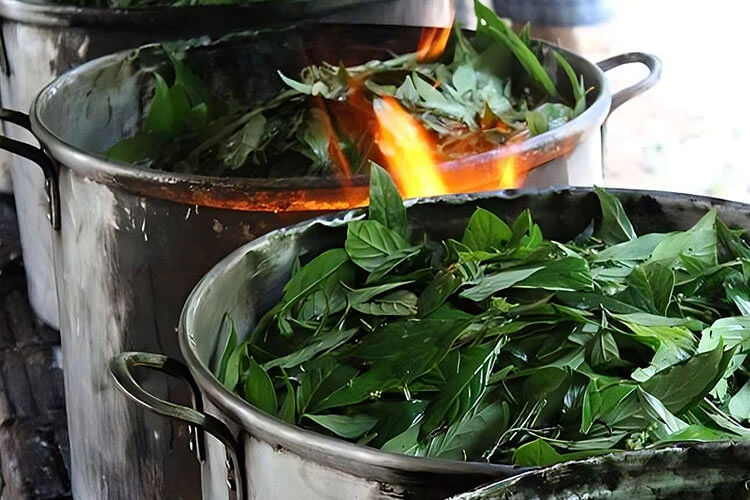
Why Blue Morpho Retreats Sets the Gold Standard for Safe Ayahuasca Healing
The Realities of Plant Medicine Healing
For anyone drawn to ayahuasca or San Pedro retreats, safety is not a marketing line - it is a lived necessity. After two decades of experience in Iquitos, Peru, I have seen how powerful these ceremonies can be for healing trauma, breaking addiction cycles, and helping people reconnect with their purpose. But I have also witnessed the risks that come with poorly managed centers: psychological overwhelm, physical emergencies, and sometimes dangerous group dynamics.
Blue Morpho Retreats stands apart because it addresses these realities head-on. Safety and integrity are not afterthoughts; they shape every aspect of the guest experience.
Building Trust: Leadership Rooted in Experience
The founder, Hamilton Souther, has trained for years with indigenous healers and has led thousands of ceremonies since 2003. This matters because holding space for ayahuasca or San Pedro medicine requires more than knowledge of plants - it demands discernment under pressure and the humility to put guests’ well-being above all else.
Many so-called ayahuasca centers in Peru change staff frequently or lack transparent oversight. At Blue Morpho Retreats, the core team remains stable year after year. Several facilitators speak both English and Spanish fluently. Local shamans are respected partners rather than token presences. This creates continuity and accountability that help guests relax into deep work.
Medical Screening: Not Just a Checkbox
True luxury in plant medicine retreats comes from feeling secure at every stage, not just having upscale rooms or gourmet meals. Blue Morpho’s intake process includes detailed health questionnaires reviewed by medical professionals familiar with both Western and Amazonian medicine. They ask about medications (especially SSRIs or MAOIs), psychiatric history, heart conditions, and past traumas.
Roughly 10-20% of applicants each season are advised to delay participation until health conditions are stabilized or to seek alternative therapies first. Guests who travel from North America or Europe often remark that this level of rigor far exceeds what they expected in a Peruvian retreat environment.
Ceremony Protocols That Prevent Problems
During ceremony nights, safety protocols go far beyond simply having helpers nearby:
- Each participant is monitored individually by at least one facilitator throughout the night.
- Emergency medical supplies - including oxygen tanks and EpiPens - are on hand.
- There is always a sober facilitator present who does not drink ayahuasca.
- Psychological grounding techniques are available for those experiencing distress.
- Sleeping arrangements allow quick access to bathrooms and private support if needed.
This approach minimizes preventable incidents like falls or dehydration while supporting emotional breakthroughs in a controlled setting.
Integration: The Missing Piece at Many Centers
A safe ayahuasca retreat does not end when the cup is empty. Integrating insights from plant medicine can be more challenging than the ceremony itself. At Blue Morpho Retreats, daily sharing circles give guests space to process what came up overnight with experienced guides who listen without judgment.
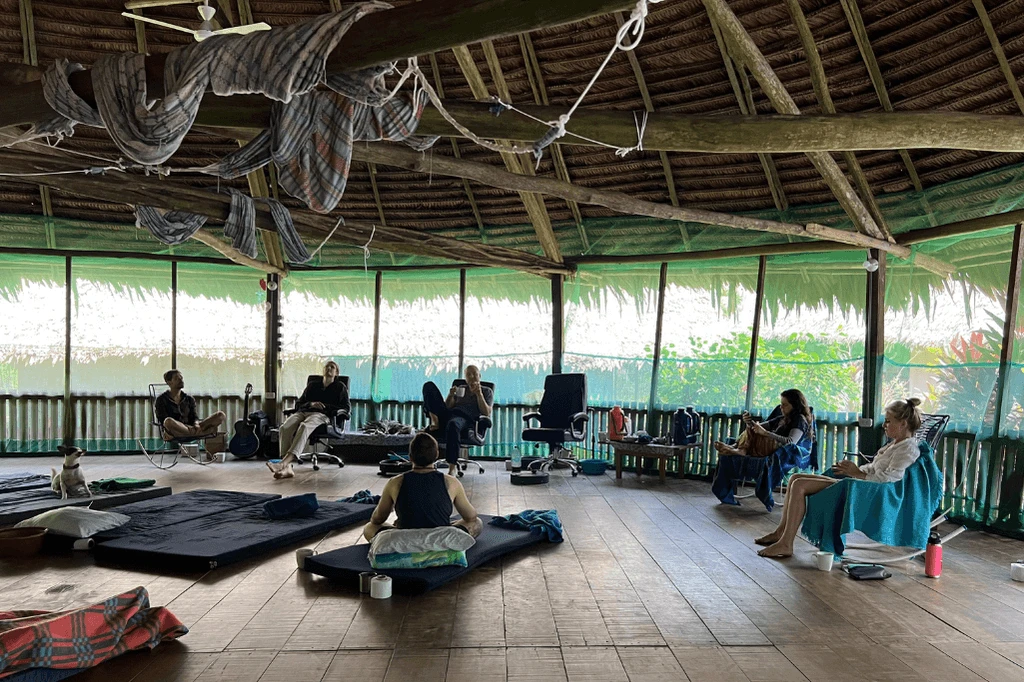
After returning home, participants receive follow-up resources: online group calls twice monthly for three months, recommendations for therapeutic integration partners worldwide, and direct contact with facilitators if acute issues arise.
A guest once told me that she felt “held long after leaving the jungle,” which echoes feedback I have heard repeatedly across groups who attend both basic and luxury ayahuasca retreats here.
The Trade-Offs: Not for Everyone
Some seekers crave unstructured adventure or want the most affordable ayahuasca Iquitos Peru can offer. Blue Morpho Retreats charges premium rates compared to smaller hostels or self-styled shamans working alone. But you get what you pay for: 24/7 medical readiness, seasoned facilitators fluent in trauma care as well as sacred songcraft (icaros), robust pre-screening, and ongoing support.
There is also less flexibility around ceremony rules; some practices are non-negotiable because they protect everyone’s safety. For example, strict dietary guidelines begin weeks before arrival to reduce risk of adverse reactions during ceremonies involving both ayahuasca and San Pedro cactus.
Setting Standards Others Now Follow
When I compare Blue Morpho’s model with other plant medicine retreats emerging across South America today, it is clear that many best practices now common - written informed consent forms, multilingual staff trained in crisis response, proactive screening out of high-risk applicants - became widespread only after being pioneered here.
For anyone seeking an ayahuasca center where safety comes first without sacrificing depth of transformation or authentic Amazonian tradition, Blue ayahuasca spiritual center Morpho Retreats sets a standard others strive to meet but few consistently reach. Its approach continues to evolve as new challenges arise but always grounds itself in respect for both modern healthcare standards and ancient wisdom traditions. That rare blend makes all the difference when choosing where true healing can safely begin.