
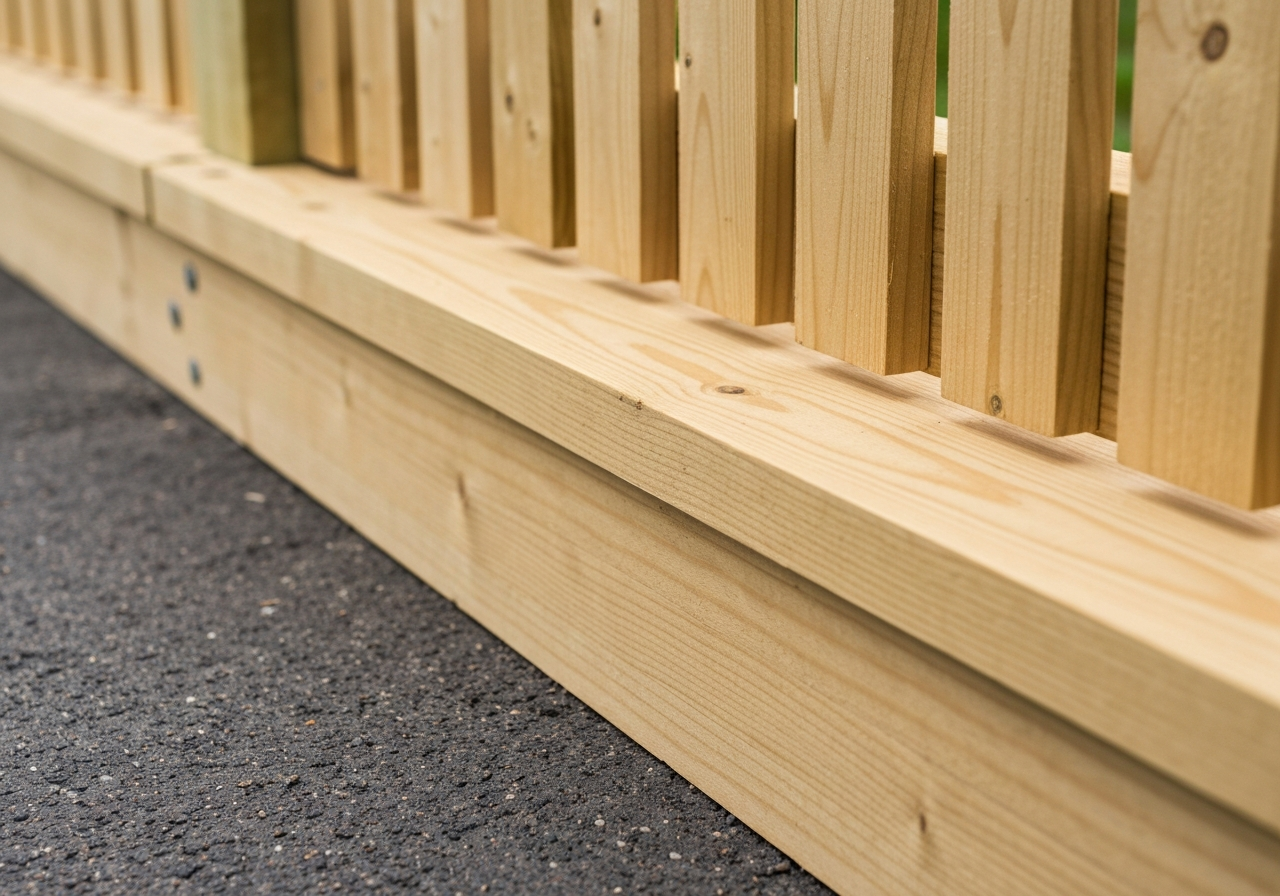
Concrete Grounds Explained for Fence Contractors
Fence jobs live or pass away on the ground job. A fencing can look fantastic for the initial couple of months and still fall short since the footings were hurried, undersized, put into the incorrect problems, or installed without checking out the website correctly. For fence contractors, fencing installers, and fencing contractors Melbourne, the concrete footing is where workmanship meets engineering.
I've seen the pattern much more times than I wish to confess. A client wants the fencing up rapidly, the blog posts go in, the concrete gets put, every person go on. After that the initial hefty rain hits, the dirt shifts, and the fencing leans like it's tired. Occasionally it breaks, often it simply slowly bends. The repair is usually much more expensive than doing it right the very first time, particularly if the failing drags out right into several bays.
This guide breaks down how concrete grounds work, how to size them sensibly, just how to put them so they really do their job, and how to prevent the errors that transform an uncomplicated secure fencing job right into a rework expense for the fencing company.
What a concrete footing actually does
A ground is not just "something concrete beneath the article." It's a system that transfers lots right into the dirt and stabilises the article versus movement triggered by wind, side stress, swelling or contraction of dirt, and water movement.
For fencing contractors, the primary pressures are lateral loads. Wind pushes. A person leans. A gate takes the consistent anxiety of opening and closing. If the footing does not give sufficient embedment, the soil can not "hold" the blog post, and the whole assembly starts to shift.
Concrete adds in 2 means:
If you miss either part, you can get a fencing that holds for a short time but after that sheds alignment after climate cycles. And weather cycles are the fact in Melbourne, where hefty storms, seasonal wetting and drying out, and transforming groundwater degrees can transform "solid ground" right into "relocating ground" over a couple of years.
Choosing the ideal ground type
Most fence contractor job comes down to a few typical ground designs. The "right" selection depends upon blog post kind, fence height, panel design, wind exposure, and the dirt condition you discover on the day.
Post in footing (concrete around the blog post)
This is one of the most regular technique. The article enters into a hole, concrete is positioned to a defined depth, and the message is held plumb while the concrete sets. This technique fits lumber, steel, and some composite blog posts, as long as the post design supports appropriate anchoring.
In method, the high quality depends heavily on hole size, appropriate support or article functions (where relevant), and whether the concrete is stuffed and consolidated enough to remove voids.
Pad grounds or base pieces (less common for typical fence runs)
Some fence layouts, particularly gateways or engineered frameworks, may need a footing piece or pad. These can supply a bigger bearing location, which matters when you have weaker soils or you want a steady link for an entrance joint arrangement.
If your fence company is doing a great deal of larger gateways, it pays to treat the gate as its own structural element rather than "just an additional blog post." Entrance tons are concentrated and directional, so pad grounds usually turn up where simple round openings would struggle.
Concrete quality beams (unusual on tiny fencings, more common on complex websites)
Grade beam of lights are more usual in keeping or bigger structural tasks. For typical fence installations, they are generally unnecessary, but you may see them when the site has actually complicated soil problems, multiple support factors, or when a fence line is tied right into another structure.
Sizing concrete grounds without guessing
Sizing is where fence contractors Melbourne either gain depend on or shed it. If you undersize, you obtain movement. If you oversize, you pay excessive for concrete and excavation, and you can still fall short if the dirt is the wrong base or if drainage is poor.
Without transforming this right into an engineering book, right here's just how knowledgeable fencing installers think about the trouble in the real world.
Site problems drive the decision
Soil is not uniform, also on the exact same block. You can dig one opening and hit dense product, after that in the following bay you strike loose fill, clay pockets, or groundwater. That's why fence company methods that depend exclusively on a typical deepness "for all fencings" have a tendency to produce problems.
When you open up the ground, you look for:
- How hard the dirt goes to the target depth
- Whether the opening walls are breaking down or staying stable
- Signs of groundwater or consistent dampness
- Soil type propensities, like clay swelling or shrinkage
If you're working as a fencing contractor, you likewise know the threat when you can not accurately analyze the soil. When accessibility is limited or excavations are rushed, unpredictability grows. In those situations, it's more secure to be traditional than to hope the ground "acts."
Fence height and filling matter
A brief paling fence may be flexible, specifically on protected websites. A tall slat fence with a slim spacing can act in different ways due to the fact that wind can "load" the panels. Chain mesh can likewise enforce tons, and the much heavier the fencing framing, the a lot more it can transfer push into the post.
Gates are the separate tale. An entrance has joint tons that try to rotate the article. A standard picket run might only experience routine wind stress, while entrances experience duplicated mechanical tension every day.
Post dimension and embedment work together
Concrete depth and article embedment are a set. A thicker article can take much more bending, yet if the embedment is superficial, side movement still starts. On the other hand, deeper embedment can help withstand pull-out and rotation, but if the article is undersized, the blog post can flex before the footing does.
Experienced fence installers often treat embedment as a baseline and then adjust based on fencing layout, soil, and exposure. That's why two fencings with the very same height can still need various ground sizes.
Excavation: where most issues begin
The hole is not just a container. It impacts concrete quality, placement, and post placement during the put. If the excavation is sloppy, whatever downstream becomes harder.
You desire:
- An opening dimension that allows proper positioning of concrete around the post, not just a limited squeeze.
- Clean and secure edges so concrete bonds appropriately with the surrounding material.
- A bottom that sustains the post without leaving loosened spoil underneath.
I've viewed some crews pour concrete into an opening with soft, blended material at the base. The message looked fine in the beginning. After the very first period, the footing had negotiation, and the message gradually drifted from plumb. The concrete did not "stop working" in a dramatic method, it just couldn't make up for a negative base.
Depth and bottom conditions
As a sensible issue, you can not overlook what's at the bottom. If you locate water, soft material, or fill, you usually need to change. That might indicate excavating much deeper till you get to extra experienced product, or it could suggest modifying the style, such as using a larger footing or different reinforcement approach.
If the client is expecting a flat-rate "typical ground," this is where expectations need handling. Concrete is very easy to quote. Ground problems seldom are.
Preparing the post prior to the pour
The post is the part that gets condemned, even when the ground is the concern. That's unjust, however it takes place. If you desire fewer recall, take note of the details around the post.
Post placement and straightness
Before any type of concrete is in the ground, the message requires to be correctly positioned. If the message is set with a small lean, the concrete might lock in that lean as it establishes. Even a tiny angular error can be noticeable once the fence rails and panels are installed.
A straightforward technique is to establish messages individually, check plumb at numerous factors, and support appropriately. On futures, supporting matters due to the fact that wind and handling can relocate messages while concrete is still workable.
Protection versus deterioration and rot
If the article is metal, check for a finishing system appropriate for in-ground use. If the post is lumber, confirm that the layout and treatment are suitable, and prevent leaving lumber revealed to dampness at the ground line.
This is also where you think about contact in between concrete and metal. The concrete needs to be put so it totally borders the in-ground area where defined, and you must stay clear of contamination that might influence adhesion or coatings.
Pouring concrete properly: the distinction between "poured" and "put well"
Concrete high quality is more than the bag brand or compressive stamina insurance claims. Placement technique determines voids, bonding, and how water and air behave in the mix.
Consistency and workability
Too completely dry and it won't settle around the post. As well wet and it can set apart and weaken. Fence installers frequently discover a "wonderful place" where the mix is workable enough to move right into voids however not so damp that it develops into a weak slurry.
If you're mixing on-site, consistent water dimension matters. If you're buying premix, ask the provider for the best slump/workability for the conditions. Pouring right into narrow holes with a post between is not the same as putting a slab.
Consolidation and void prevention
A typical problem is air voids around the post. Gaps decrease reliable bearing and enable water to gather. Water motion is the quiet adversary, because it can accelerate dirt softening and undermine the stability of the ground over time.
The functional remedy is to place and combine concrete effectively. In the field, that can indicate mindful filling in lifts, cautious frustration or rodding where suitable, and avoiding overcomplicated actions that introduce segregation.
Weather and curing
Concrete is susceptible while it's establishing and treating. Rain can wash penalties from the surface area, and heat can accelerate drying. In Melbourne, you frequently take care of fast changes: a dry early morning, a storm later, a cold snap after.
As a fence company, you should have an easy plan:
- Protect fresh concrete from surface wash.
- Allow sufficient treating time before heavy tons or supporting is removed.
- Avoid interrupting the message while the concrete is still acquiring strength.
If the crew has a routine of "fixing placement later," you can end up with a micro-movement that comes to be a noticeable lean down the line.
How much concrete need to you use?
This is where clients request a number and fence contractors ask, "of what precise conditions?" The answer relies on footing size, deepness, and whether you're considering larger tons like entrances or subjected areas.
Instead of pretending there's one global number, the professional strategy is to define the footing geometry and the reasoning: blog post size, embedment, dirt expertise, and fence layout tons. That way, the customer recognizes why a fencing contractor Melbourne quote may vary in between two similar-looking fences on different sites.
If you're a fence installer, it's usually much better to price quote with a clear range that consists of website assessment and an allowance for ground variations than to offer a one-size-fits-all volume. Concrete amount is predictable once the style is defined. Soil and excavation irregularity is the unknown.
Common footing errors I've seen on fence sites
Every fence company has stories, and a lot of them entail the very same handful of errors. The challenging component is that these errors commonly look harmless at first.
Here are the most typical concerns that bring about lean, movement, and very early failure.
- Footings poured into loose fill without examining the base material
- Posts set without sufficient bracing, then nudged throughout the set period
- Concrete positioned too completely dry or not combined correctly, creating voids around the post
- Incorrect depth for the fencing kind, especially on gates and high exposure runs
- Poor drainage around the fencing line, so water undermines dirt security over time
Notice what's missing from this listing. You don't see "the concrete misbehaved top quality" as the primary cause. Usually the concrete is great. The installment procedure is where the failing is born.
Drainage and water administration: the surprise structural element
Concrete footings can be strong, and the soil can be stable today, however water can change everything. Around fencings, water problems prevail:
- Downspouts or surface overflow guided towards the fence line
- Soil that holds dampness near the base of footings
- Sprinkler systems that saturate the same spots repeatedly
- Clay or reactive soils that swell and diminish with seasons
For fencing contractors Melbourne, drainage judgment belongs to the craft. You do not require to construct a full stormwater system for a little fence, yet you do need to take into consideration where water will certainly pursue rain.
Sometimes the solution is simple: grading, rerouting downspouts, or changing the backfill and ensuring the area around the footing drains as opposed to traps moisture.
Backfilling: do not leave it to chance
Backfill could appear like a cleaning step, yet it straight affects settlement and side activity. The goal is to re-establish ground assistance around the footing without producing paths for water or leaving voids.
A professional fence installer will certainly:
- Refill to the specified level
- Compact appropriately where the layout needs it
- Avoid blending organic material into the backfill
- Prevent large gap pockets that can later on break down or wash out
If you hurry backfilling after the put, you can harm the footing surface or develop micro-gaps. Those gaps become a place for water to sit and a powerlessness for future movement.
Gates: where concrete grounds are entitled to extra respect
Gate blog posts see different forces. They're not just supporting a panel, they're taking hinge loads, lock loads, and repeated mechanical stress and anxiety. An entrance can likewise capture wind in a way a fence run typically cannot.
If you're a fencing contractor setting up entrances, the footing should be treated as an essential architectural element. That suggests:
- Correct embedment and ground sizing
- Proper bracing throughout the pour
- Attention to post stiffness, connections, and alignment
- Consideration of dirt problems and any need for layout adjustment
In the area, I have actually seen gateways fall short since the rest of the fencing was "sufficient." After that the gate leans, the latch stops aligning, the client criticizes the joints, and the real trouble becomes footing rotation.

Working with Melbourne conditions (and the customers that request for rate)
Fencing professionals Melbourne typically juggle organizing restrictions. Professions are reserved out, weather report change, and customers desire the fencing done prior to an event or prior to a sale.
Here's the trade-off that matters most: speed ought to never indicate reduced curing time, hurried post positioning checks, or concrete positioning that does not settle around the post.
If you can not put and set safely, it's better to stop briefly than to "press with." Fence installers that build an online reputation for doing it properly often win the long-term job, since clients remember who returned to deal with an issue fast and that really did not develop it in the initial place.
A useful ground specification checklist for fencing contractors
If you want less recall, have your team work from a straightforward inner standard. The objective is not to turn every work right into an audit, it's to remove ambiguity so the ground is mounted the same way every time.
- Confirm fencing kind, elevation, and direct exposure to wind
- Inspect dirt problems at excavation base, and adjust if base product is weak or unstable
- Set correct blog post embedment and support for plumb before concrete placement
- Place and consolidate concrete to remove spaces, making use of regular mix workability
- Plan treating, secure from washout, and total backfilling and compaction correctly
That checklist is the distinction in between a fence company that delivers repeatable results and one that relies on "best of luck."
When to intensify from typical practice
Most secure fencing work can be finished with a straightforward ground method. Yet there are situations where you ought to stop dealing with the ground as a regular task.
Escalate when you encounter:
- Very weak soils or obvious fill product at depth
- Persistent groundwater or problems where excavation walls collapse
- Significant grade adjustments along the fencing line
- Large gates, heavy automated gate structures, or abnormally high loads
- Structural needs from a designer or council documents that determine footing design
As a fence installer, your task is to ensure, realistic choices. The most inexpensive footing is not constantly the best one, yet the most pricey failing is usually the one that takes place after the fencing is complete and the website looks finished.
Final thoughts for fencing firms, fencing installers, and fence contractors
Concrete grounds are where fence contractors gain reputation. Clients may not recognize the distinction between proper embedment and uncertainty, between consolidated concrete and poured voids, or between dirt that's really experienced and dirt that's simply "hard adequate today."
But they will notice the outcomes: alignment that holds, panels that don't loosen, gateways that turn true, and fences that endure the weather without turning into a lasting maintenance problem.
If you're running a fence company, train the team to deal with excavation, post placement, concrete workability, and healing as core abilities, not optional additionals. If you're a fence contractor or fencing contractor, develop your estimating and website analysis around what you really find in the ground. Fence installer Melbourne work be successful when the ground style matches the soil, the fence design matches the lots, and the pour matches the conditions.
Do that, and concrete grounds quit being a job. They become the reliable foundation of a fence that looks precisely day one and still looks ideal years later.