
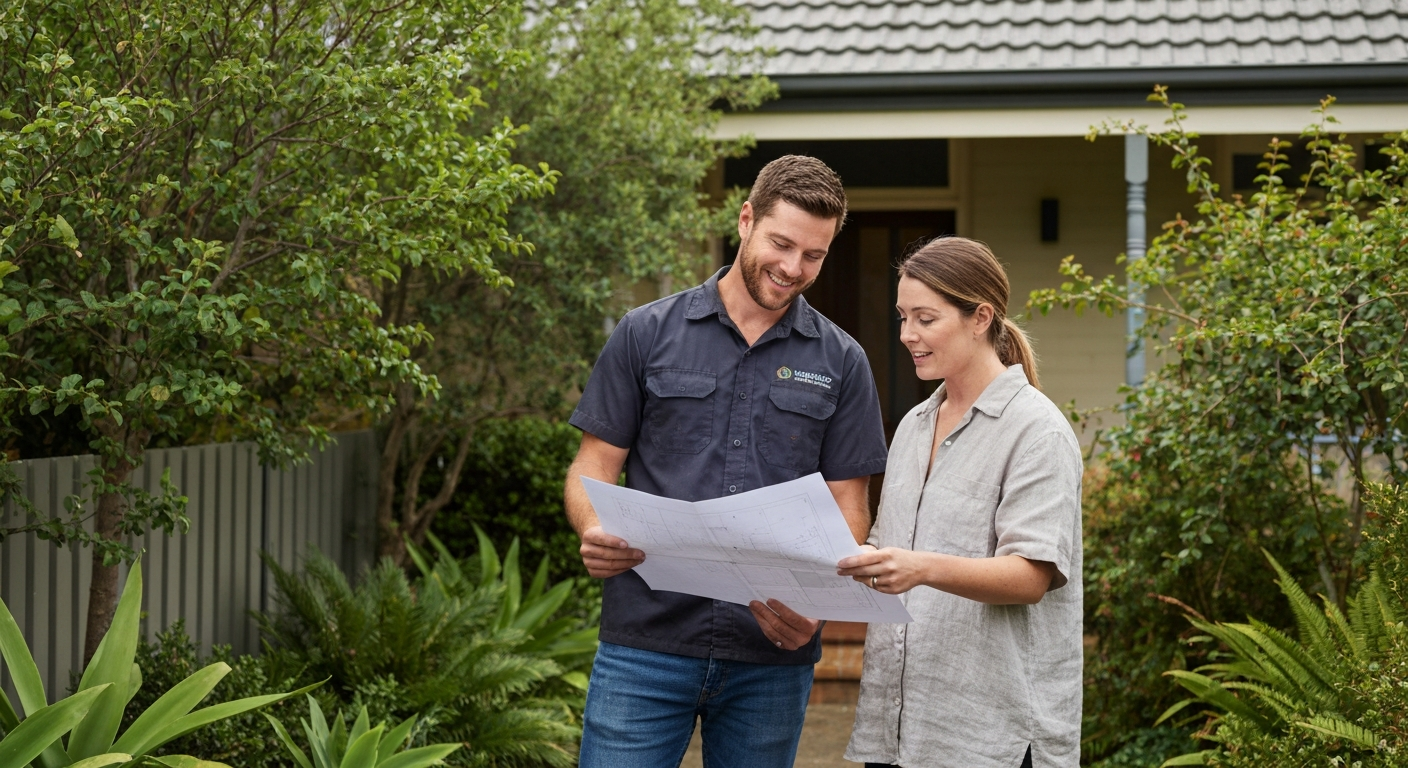
Lattice Personal Privacy Panels: Innovative Concepts From Fencing Contractors
Privacy panels audio straightforward till you're on site with a gauging tape in one hand and a home owner's "we want it to appear like a feature" demand in the various other. Lattice personal privacy panels sit right in that wonderful area. They can obstruct visual lines without transforming a yard into a secured box, and they allow you maintain airflow while still including structure, texture, and style.
As fencing contractors, we see the same 2 troubles appear over and over. Initially, people desire privacy fast, but they additionally want it to look good in year one, not just after vines expand. Second, lattice is simple to photo online and more difficult to perform cleanly at genuine elevations, real slopes, and genuine wind tons. The very best options come from dealing with lattice panels like style, not like an afterthought.
Below are creative, practical ideas we've used and recommended, in addition to the judgment calls that different a "pretty panel" from a fence system that holds up.
Why latticework functions much better than strong boards in many yards
Solid privacy fence is strong and reliable, however it alters the character of the space. In tighter great deals, it can feel hefty. In gusty locations, it can take more pressure. Latticework, on the various other hand, interrupts sightlines while keeping light and air movement.
When you install lattice privacy panels, you're not simply covering room. You're controlling what individuals see and what the eye can read. The crosshatch pattern scatters lines of sight, so the yard really feels exclusive also when you can still glimpse movement. That effect issues for front yard presence too, where you usually want "screening" instead of "sealed."
There's additionally a useful benefit: lattice panels can be made to blend with different fencing designs. You can install them to timber blog posts, steel articles, or even an existing fencing face, turning a basic fence company work into a customized appearance without reconstructing everything.
The "frame-first" method service providers love
Most lattice panels fall short cosmetically for one factor: they're treated like a filler. The grid exists, yet the surrounding frame looks like it was slapped on. The solution is straightforward and it's surprisingly powerful. Build the panel like a framed window.
A rigid boundary, tidy reveals, and constant spacing around the grid makes the lattice look willful. Rather than "timber crosshatch affixed to a fencing," you get "designed exterior."
If you're speaking to a fencing contractor regarding a lattice personal privacy panel setup, push for these fundamentals: made even structure edges, consistent depth, and a plan for exactly how the panel sides will certainly be shielded from rain. Lattice survives on the weather side of the globe. The details on the boundary matter more than many property owners expect.
Creative panel layouts that still feel clean
You can think of lattice personal privacy panels in "zones." Some yards need full protection. Others need personal privacy just where individuals rest, grill, or entertain.
Here are format ideas that tend to festinate and work well in real yards.
1) The personal privacy "bands" idea
Rather than covering the entire height, mount lattice in bands. As an example, you may run a latticework section from regarding midsection to eye level, leaving a strong base or open gap listed below for landscaping, and a top finish over that matches the fence crown.
This offers you aesthetic privacy where you need it most, and it minimizes the "wall surface" result. It likewise assists if your backyard obtains early sun. I have actually seen property owners who were afraid latticework would look unfinished love this strategy since it feels split as opposed to sparse.
2) "Staggered sightline" sections
A sharp method is to surprise lattice panels so one section lines up to damage sightlines, while the surrounding area changes a couple of inches. The human eye reads straight lines. Break them and the yard feels more private, even if the latticework location isn't larger.
Contractors can do this by changing panel width or by balanced out placing points to maintain the overall fencing line directly. It takes cautious measuring, however the appearance is worth it. This is just one of those layouts that feels refined up until you stand in the neighboring yard and realize you're not getting a simple line of sight.
3) Integrated planter ledges
If you desire lattice to do more than screen, pair it with a planter ledge. We have actually done runs where the latticework rests over a slim planter rack built right into the fence face. You obtain an area for seasonal shade, plus it softens the grid visually.
The trade-off is maintenance. Planter ledges welcome soil splatter, and they need correct drain so water doesn't sit in the fencing system. If you go this route, you require a drip path and sensible planting choices. Not hefty roots that press right into the fence structure, not shallow plants that continuously completely dry out.
4) Lattice "door" panels for hidden utility
Sometimes the most creative feature is what you do not see. People want to hide trash bins, swimming pool devices, or a portable heating and cooling unit. Latticework can evaluate those locations without trapping warmth like a strong unit can.
The trick is accessibility. Develop a couple of "door" sections that can open or slide. Use strong joints and plan for lock positioning so it's safe and secure. This turns a fencing company work right into a practical upgrade, not simply a look change.
5) Corner feature panels that anchor the entire fence
Many fences look best when the edges look willful. If your whole lot has a visible edge, use latticework panels formed or framed to stand apart there. An arched top, a thicker border, or a somewhat different grid positioning at edges can make the whole run appearance designed.
Corner emphasis sets you back a little bit more labor, mainly in cutting and placement, but it protects against the "long straight wall of the same point" problem.
A contractor's truth check: latticework elevation, wind, and sag
Privacy panels are decorative up until wind turns up. Lattice is lighter than solid timber, yet it still catches force, particularly when it covers broad spans or high areas. We treat lattice height and support spacing as actual design, not just carpentry.
If you're preparing a lattice privacy panel system over numerous sections, expect the conversation to consist of:
- post spacing and supporting,
- how the structure transfers load to the posts,
- and whether the fence is already solid enough or requires reinforcement.
An usual blunder in DIY latticework installations is thinking the grid itself is "architectural." It isn't, not the method a fence rail system is. The frame is the structure. The latticework is the skin.
If you work with fencing contractors or employ a fencing contractor with a fencing company, insist on discussing the assistance plan. You want the panel to really feel tight and steady, not like a screen that bends and progressively loosens.
Where to use latticework privacy panels for maximum payoff
People often start at the limit line, however personal privacy requires normally center around human activity. A jacuzzi, a dining area, a yard lounge, a front veranda entryway, even a dog run. Lattice works beautifully when you straighten it with the zones that actually matter.
The best personal privacy upgrades are never purely concerning covering property. They're about regulating sightlines from neighboring home windows and pathways, and they have to do with offering your home the feeling that you can exhale at home.
The front lawn case
In front backyards, personal privacy can be tricky. You still need visibility for visual kindness and commonly for code conformity depending on neighborhood rules. Lattice provides you "filteringed system privacy," specifically when paired with landscape design or careful elevation bands.
We have actually installed lattice personal privacy panels near driveways where individuals walk, and the result is a backyard that feels extra individual without resembling an obstacle. It's likewise a fantastic place to add a coordinating gateway or entrance feature.
The side yard case
Side yards are where most property owners really feel revealed. Latticework panels can run longer sections, and you can produce continuity by using the very same grid pattern across the whole run. If a side lawn is narrow, stay clear of solid panels that make it seem like a corridor. Usage lattice and think about a slightly thinner boundary so the fencing looks lighter.
Matching lattice panels to the fencing design, not combating it
One of the quickest methods to make a fence look costly is to match the latticework system to the existing fencing style. That means straightening the appearance of:
- rails and leading caps,
- wood types and color,
- post spacing and expose sizes,
- and how the panel edges are finished.
If your fencing has a modern look with clean lines, select a latticework frame that remains crisp. If your fence is rustic, making use of somewhat thicker framing and an extra weathered finish can really feel cohesive.
When fencing contractors incorporate lattice personal privacy panels into an existing fence company task, they typically do not add an absolutely different aesthetic. They adapt. A latticework insert should appear like it comes from the exact same layout language, whether you're making use of pressure-treated wood, cedar, or a keyed and tarnished system.
Treatment and coating: how to keep latticework looking sharp
Lattice is generally a grid of edges. Edges are where water and sunlight do damages. If you want durable results, assume beyond installation. Think of coating strategies and upkeep routines.
Here's what tends to matter most from a real-world perspective:
- Surface preparation before staining or painting, especially if the wood is rough-sawn.
- Choosing an outdoor-rated surface that can take care of sun direct exposure without peeling.
- Sealing end grain. Each time we miss end-grain security, we pay for it later on, typically with premature fading or splitting.
Many house owners desire a "no upkeep" solution, but lattice constantly needs periodic focus. The objective is to minimize the regularity, not eliminate it. If you treat and seal properly in advance, you can stretch maintenance cycles and keep the grid looking uniform instead of blotchy.
Two specialist pointers that protect against common failures
First, do not rely upon a single layer for heavy direct exposure areas. Second, avoid trapping water around bolts. That's exactly how you get early corrosion in metal elements, or dark discoloration around screw heads in wood.
If you work with a fencing contractor, ask what they make use of for bolts, how they take care of seams, and whether the system makes use of spacers or standoffs that prevent straight water pooling.
Creative concepts that turn latticework into a living screen
One of lattice's strongest selling points is that it's friendly to grow life. Creeping plants and climbing plants like the grid pattern, and the display effect can get stronger over time without replacing materials.
The "living display" concept is where a straightforward fence upgrade ends up being a landscape transformation.
You can plan for this beforehand. As opposed to installing latticework like a finished item, install it like the structure for future growth. Leave ample clearance for plant spread, and think about just how you'll direct creeping plants so they climb easily instead of curtaining onto neighboring areas.
The compromise is time. Living privacy takes seasons. If you want personal privacy this year, prepare for a hybrid technique: latticework now, with plants beginning quickly, and maybe a short-lived aesthetic buffer making use of outdoor-friendly panels or strategically positioned planters.
How contractors prepare the grid to lower aesthetic noise
Not every latticework pattern reviews the very same from across a fencing line. A larger grid feels much more open, a smaller grid feels denser. The border thickness also transforms exactly how hefty the panel appears.
When we set grid dimension, we think about:
- how much privacy is needed at eye degree,
- how the panel will certainly search in color versus direct sunlight,
- and how the fencing will certainly line up with home window elevations in surrounding properties.
A house owner might ask for "more privacy," yet the proper feedback is generally a lot more certain: privacy at shoulder height, privacy when sitting at the outside table, or personal privacy from the second-story bedroom window. You do not simply enhance lattice height. You enhance targeted coverage.
A short contractor list before you commit
If you're getting quotes or designing the system with a fencing company, ask questions that compel quality. This is the part where you conserve yourself money later.
- Confirm the panel is mounted rigidly, not just attached as a slim skin.
- Measure for article spacing and check whether supporting is required for your fence run size and height.
- Decide exactly how you want the lattice to be completed at edges and corners for weather condition protection.
- Plan bolt type and placement to stay clear of rust discoloration or timber splitting.
- Discuss gain access to requires for entrances or utility areas, so you are not stuck with a fixed screen.
That checklist appears basic, but in the field it's the difference in between a clean installation and a fence system that loosens, warps, or looks worn out too quickly.
Two installation information that make lattice look custom
If you desire your latticework privacy panels to appear like a made attribute, 2 details matter more than lots of people realize.
Consistent exposes around the frame
Reveals are the tiny voids between the panel and the fence face. When reveals correspond, the panel looks willful. When discloses differ by even a quarter inch throughout multiple sections, the entire run looks homemade, also if the products are good.
Contractors stress over this due to the fact that fencings are lengthy and our eyes see disparity across distance. It's the same factor siding looks much better when lines remain true.
Top cap and water shedding
Water administration is not glamorous, however it's what keeps the boundary from decomposing early. Use correct leading caps or create the top edge so water sheds. If water rests on the panel framework, lattice can start to warp, and the stain can damage down prematurely.
We often see latticework that looked terrific in the initial summer season gradually darken around the top border. That's usually a water-shedding information, not a "negative stain" problem.
Practical fencing company styling ideas for real homeowners
Let's discuss the type of style choices we see time and again since they work.
Some house owners desire their backyard to feel even more exclusive without eliminating light. They pick lattice bands, pair them with planters, and plant climbing creeping plants along the border. Others want a strong appearance. They add latticework to a thicker structure, maintain the grid tight, and use a deep tarnish for contrast.
If you're mixing with existing fence materials, a common winning combo is a discolored wood frame with latticework that remains slightly lighter in tone. That comparison makes the grid read plainly, not muddy.
On metal-fence systems, lattice inserts can create a softer, warmer look. The steel blog posts offer framework, and the timber latticework provides structure. That hybrid strategy is preferred due to the fact that it supplies longevity plus style versatility. If you're going crossbreed, make certain the links are made correctly so the timber and steel expand and contract without tearing fasteners loose.
Trade-offs: when latticework is not the best privacy move
Bold style is wonderful, however a fencing contractor's work is to be truthful concerning where lattice falls short.
If you need complete privacy, latticework may never please you. People can still identify activity, and depending upon the range and illumination angles, silhouettes can be visible. If personal privacy is an outright demand, strong fencing or split systems might be the smarter plan.
Lattice also demands more focus to end up top quality than some strong alternatives. The sides and the cross points are much more revealed. If you hate maintenance, you require to prepare for that fact or pick a material system that matches your willingness to take care of it.
Finally, if your backyard is extremely windy, lattice might need added supporting or thicker framework. It's not that latticework can't work in wind, it's that it requires proper support.
How to make a decision in between "ornamental latticework" and "personal privacy latticework"
Many property owners listen to "latticework" and assume it's decorative. Latticework privacy panels can be both, however the design needs to match the goal.
Decorative latticework leans lighter in the frame, makes use of a more open grid, and may be made use of at edges or in smaller sections.
Privacy latticework makes use of denser grid spacing, more powerful framing, and coverage concentrated at eye degree. Occasionally it consists of partial solid backing behind the lattice in details zones where personal privacy is most critical.
If you're dealing with fencing contractors, ask what they think about "privacy" in their designs. A great fencing contractor will certainly discuss sightlines, not just elevation measurements. The distinction is subtle, yet it appears each day when you being in the yard.
A couple of bold mixes that look terrific together
If you desire creative, contractor-approved results, consider coupling lattice privacy panels with elements that make the fence feel intentional.
One of the easiest combinations is lattice panels plus outside illumination. Tiny fixtures aimed from the lawn side make the grid glow at night and transform the fencing into a feature, not a border. One more is lattice plus a coordinating gateway, especially for side entrances. That makes your personal privacy system seem like component of a total design.
If you're open to a more artistic strategy, make use of designed latticework areas, like a segment with a mild arch or a mounted "home window" panel within the general run. These information maintain the fence from ending up being boring, and they aid the eye rest, which is a genuine psychological benefit when you live beside your fence line.
Choosing a fencing contractor that can actually execute lattice cleanly
You can inform a lot about a fencing company by what they stress. Some offer materials. Great professionals market outcomes.
When you talk with a fencing contractor, try to find a person who can discuss:
- how they frame latticework panels,
- how they protect against sag and bending,
- how they deal with edges, discloses, and water losing,
- and just how they match the latticework style to the remainder of the fencing system.
Ask to see examples when possible, especially installs with numerous panel areas. Latticework is everything about uniformity. A service provider who can show repeatable results with tidy edges and straight lines is the one you want.
The payoff: a personal lawn that still feels open
A well-installed latticework privacy panel system alters the method a yard feels. The room comes to be a lot more comfortable due to the fact that you're much less knowledgeable about neighbors, yet it doesn't turn into a sealed unit. Light filters through, plants can climb up, and the fencing becomes a style element as opposed to simply a boundary.
The boldest component of this entire technique is that you're picking nuance. You're not choosing "either strong or absolutely nothing." You're building a split, sightline-aware solution that can progress over time. That's precisely what lattice succeeds, and it's why fencing contractors keep going back to it when homeowners request for privacy with personality.
If you want, tell me your fence kind (timber or metal), approximate height, and whether you require privacy from one next-door neighbor home window, a sidewalk, or a full side run. I can suggest a few latticework formats that tend to work best for those exact scenarios.