
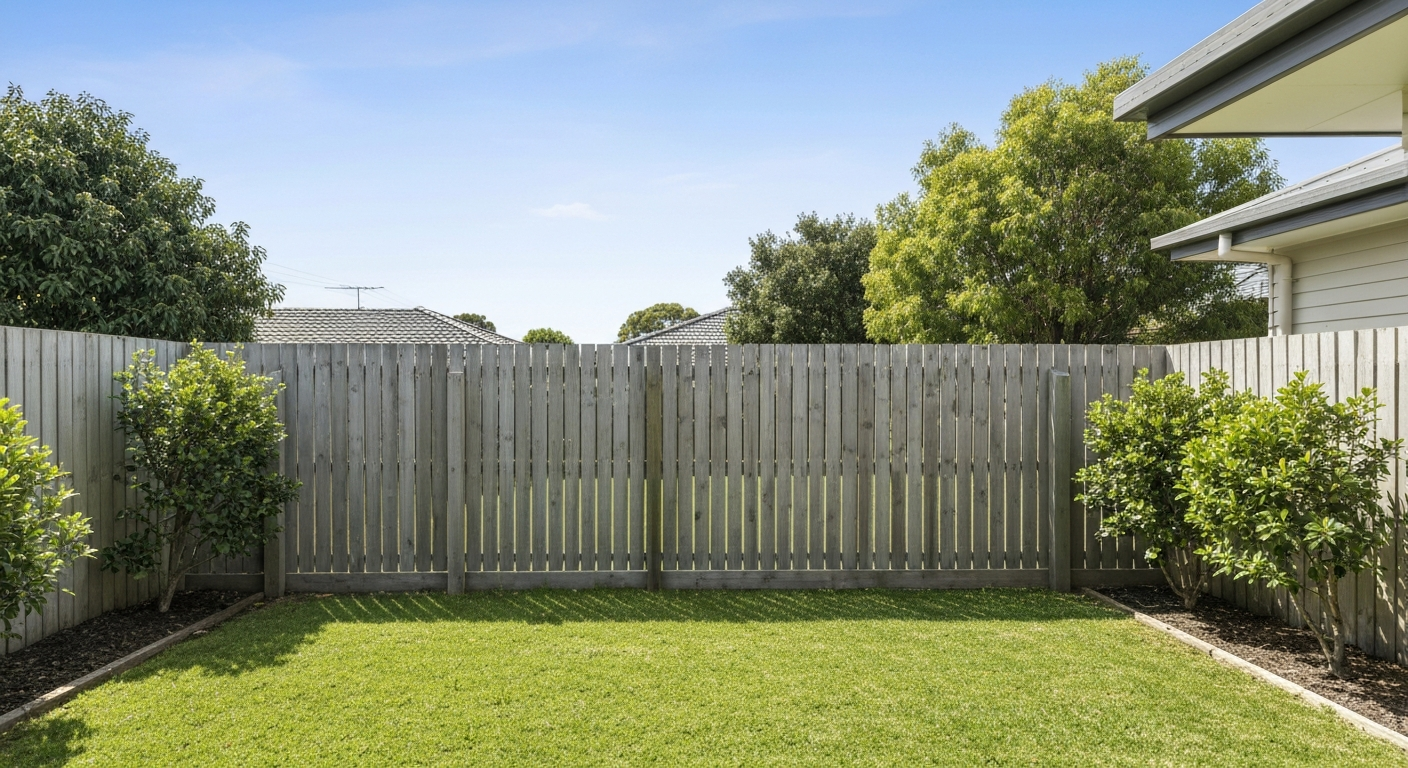
What Impacts Fencing Installment Cost
There's a special kind of excitement to choosing you want a fencing. The lawn suddenly feels even more specified, much more personal, a lot more your own. And afterwards the price quotes start landing in your inbox, and the exhilaration turns into a different emotion, the one that asks, "Why is this so various from the last quote I saw?"
Fence installation cost seldom comes down to a single line thing. It is an amount of materials, labor, website conditions, and a pile of selections most people only consider as soon as they are already committed. I have actually watched property owners obtain blindsided by an aspect that seemed small in the lawn yet turned into a real price chauffeur throughout installment. Normally it is not the fencing itself. It is the terrain, the access, and the method the fencing needs to be built to work.
Let's walk through the genuine variables that press costs up or down, with the type of functional detail you can utilize when you are contrasting quotes from a fence company or planning your budget.
The "same fencing" issue: why quotes do not match
Two quotes can both state "6-foot wood privacy fence," yet the numbers still will not line up. That's due to the fact that "exact same fencing" seldom suggests the exact same install.
A fencing quote commonly depends upon:
- how right the line truly is,
- how much excavating is required (and exactly how tough the ground fights back),
- what has to be cleared or safeguarded,
- where the gate articles land,
- and what the installer must do around barriers like sprinkler systems, trees, or hidden utilities.
Even the fence design can conceal cost differences. A "privacy" fencing can be constructed with various board spacing, various framing members, different post sizes, and different hardware. Some systems are developed to withstand droop and wind lots better, and those design choices appear in the price.
When you compare quotes, the most helpful concern is not "Why is yours even more?" It is, "Exactly what is consisted of, and what presumptions are you making concerning the site?"
Materials: where the cost change starts
Most people begin by choosing a fence kind, which makes good sense. Materials and component high quality are the first huge lever in price. However even within the very same classification, there are trade-offs.
Wood: lovely, but conscious details
Wood fencings can be simple, however the installation cost can swing based upon just how the fencing is constructed and maintained. Pressure-treated lumber pricing varies, and so does the cost of quality elements like blog posts and rails.
Also, wood is more forgiving of "imaginative" shaping, yet it can be more costly to do right if you have lots of line changes, irregular ground, or challenges. A lot more cuts, even more custom fitting, and more time in the area include labor cost quickly.

If you want a longer life span, you will certainly typically wind up spending for thicker posts, better-grade boards, or extra bracing. Those are not luxury upgrades in every instance. They can be required if your yard experiences solid winds or if the fence spans unequal terrain.
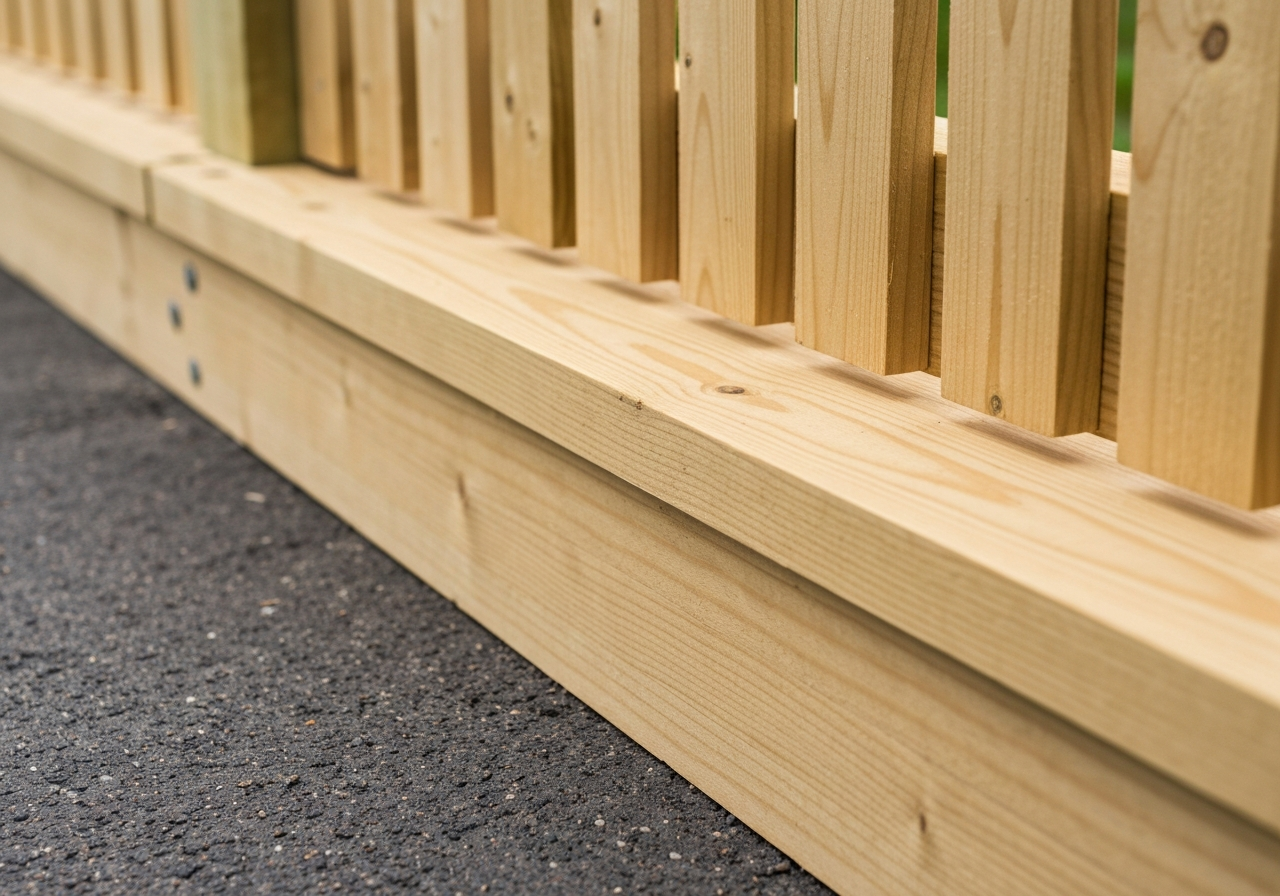
Vinyl: regular appearance, different price structure
Vinyl fence typically lugs a higher material expense than typical timber, but it can decrease some maintenance costs. The installation labor can likewise vary. Some plastic systems set up effectively, while others call for even more careful positioning and specialized fasteners.
Vinyl can also behave in different ways when you struck tricky website conditions. Temperature level changes influence how it must be managed, and that can influence the daily technique for an installer. If a staff is working close to a due date, they could stay clear of high-risk conditions, which can move organizing and labor timing.
Chain web link: typically easier, seldom "low-cost everywhere"
Chain link is commonly one of the lower-cost alternatives per foot, however prices can increase quickly if you require privacy slats, an intricate design, or multiple entrances. If you are fencing a residential property line that consists of corners, inclines, or regular breaks, the "straightforward" structure becomes more work.
Gates matter below as well. A gate is not just a smaller sized fence section. It needs strong framework, hinges, latch systems, and proper positioning so it does not sag.
Metal and composite: where long life meets rigidity
Aluminum fences can be resilient and aesthetically clean, and composite materials can provide a "wood-like" look. But these materials sometimes require even more accuracy setup and specific hardware. When you are handling unequal ground or an uneven great deal shape, precision can indicate more labor time.
Height and design: little options that change the job
Fence elevation is evident, however style is where people get shocked. Going from 4 feet to 6 feet can influence board counts, framing dimension, and wind exposure assumptions. Greater fences also typically require stronger messages and even more careful supporting at corners.
Privacy secure fencing usually uses boards that produce strong panels. Solid secure fencing captures wind. That does 2 things for price: it can boost just how substantial the article and rail structure needs to be, and it can enhance just how much supporting an installer recommends.
Open designs like picket fencings can be more affordable, not only because material usage is lower, yet due to the fact that the framework can occasionally be built with different stiffness presumptions. Once again, different engineering intent, different build, various cost.
If your style consists of decorative top rails, latticework areas, or custom transitions near your house, those information can push labor up because they are extra concerning workmanship than mass installation.
The concealed expense: the site is doing the hefty lifting
If you desire the single largest explanation for quote distinctions, it's normally the backyard itself. The most effective way to place it is this: a fence installation is an excavation and alignment project disguised as carpentry.
Soil conditions and message depth
The deepness of fencing messages is affected by neighborhood practice, soil kind, and exactly how the fence is anticipated to stand up in time. In some soils, you can dig relatively rapidly and get steady bearing. In others, the ground can be sluggish going, rocky, or prone to shifting.
When you hit conditions like clay that holds dampness, or dirt with great deals of origins, the installer might spend more time excavating and might pick various building techniques for stability. That increases labor cost.
Drainage and slope
Sloped yards are not inherently a trouble, however they change the approach. You can "tip" the fence along the quality, utilize a raked panel strategy, or adjust article lengths to adhere to the terrain. Each method has a various aesthetic end result and different develop time.
If you also require to maintain clearance along the ground for drain, you might be asked to choose in between a cleaner appearance and easier installation. Stepped areas can produce a sharper appearance but might need more custom cutting. Raked areas can look smoother but can likewise need more exact setup.
Tree roots, rocks, and hidden obstacles
Trees include beauty, until you need to function around roots. Roots can interfere with post positioning, and relocating a line might indicate going across a spot where the dirt is harder or where hidden energies are much more likely.
Rocks can quit a post auger dead in its tracks. When that occurs, installers change to hand digging or various tools, and the labor time climbs quickly.
Sprinkler lines and landscaping irrigation are one more usual shock. If a fence company finds it throughout design or excavation, they might need to work with around the lines or mark out a different path. That can include price due to the fact that it introduces organizing complexity and even more mindful work.
Access: just how close the staff can get
A fence seems like it ought to be very easy to set up due to the fact that it is a line. But crews require room to navigate materials, set articles, and use tools securely. A yard with slim entrances, dilemmas, or lots of parked cars and trucks changes the logistics.
If the staff has to lug materials farther, you will certainly feel it in labor time. If they can not utilize a trailer, or if they need to phase materials differently, the routine modifications. Even the weather can move a project when access is limited, since you can not just "wait it out" if the website can not support equipment on damp ground.
Layout complexity: corners, runs, and gates
A straight run with evenly spaced messages is what most people photo. Real properties seldom cooperate.
Corners and line changes
Every corner is greater than an article. Corners commonly need stronger framework and even more careful supporting due to the fact that the fencing will certainly push laterally under wind and stress tons. If your lawn has numerous corners, the support job adds up.
If the fencing line follows an unusual building shape, prices frequently enhance because you end up doing much more constant layout changes and even more cuts.
Gates: the price you really feel every time
Gates include cost due to the fact that they need equipment, added framing, and a "fit and surface" level that matches your fencing design. Gates also require correct clearance and positioning, specifically if your fence gets on a slope.
If you need a gateway for a driveway, that usually sets you back greater than a garden entrance. Driveway gateways also frequently entail wider openings, larger parts, and occasionally more powerful article structures.
If you are planning to mount an entrance later, that issues too. If the fence company makes post spacing around a future gateway, the fence run might be different from a "typical" panel design, and that can affect the total cost.
Permits, HOA regulations, and the documentation tax
Fence setup usually falls under neighborhood allowing regulations. In some cases the fencing is excluded, sometimes it is not, and the threshold can depend on elevation, area, and home type.
If an authorization is called for, expense can include:
- application charges (varies by town),
- site plan or drawing demands,
- and time for inspections.
HOA regulations include a various sort of restriction. If your area calls for a specific product, shade, height, or even placement obstacle, you may wind up with a fence style that is not the cheapest option. That doesn't suggest it is ineffective, but it can transform budget plan outcomes quickly.
I have actually seen jobs delay for weeks over documents because the fencing was gotten before authorization. That is not a "materials" trouble. It is a preparation problem that develops into genuine cost.
Labor: the top quality you spend for, and the time you can't purchase back
Fence installment is labor intensive, and excellent labor is not compatible. That is why the hourly price is just component of the picture. Two crews can charge similar amounts per hour however generate different complete expenses due to the fact that one staff:
- works much more efficiently on website,
- has much better layout methods,
- encounters fewer surprises due to pre-job energy checks,
- and invests more time on bracing and positioning to avoid callbacks.
A fence that is not supported appropriately can lean. A fence on irregular ground that is not set effectively can sag. Solutions later are often more pricey than doing it right the very first time.
In the price quote, labor can additionally consist of just how posts are established (for instance, sort of setting approach and any bracing method). Those options influence not only stability yet additionally installation time.
Removal and disposal: when the lawn had a fence before
If you already have fence, you could spend for removal. Disposal can add an additional layer due to the fact that carrying and dump charges vary.
Removal can additionally be sluggish if the existing fence is embedded deeply, if it is old and brittle, or if it is connected to structures like maintaining walls. If posts are concrete-set, elimination is typically harder.
Sometimes the estimate consists of the old fence elimination and occasionally it does not. That difference alone can turn the total amount by a couple of thousand bucks depending on size and website access.
If you do not have an old fencing to remove, you may still have old plant life, landscaping woods, or debris that requires clearing up. Clearing is labor, and labor is cost.
Site prep work and landscaping trade-offs
A cool fence line often needs some shaping of the yard. The question is just how much you want to do currently versus what you pay for later.
Some common preparation costs include:
- clearing plants along the fence line,
- leveling small bumps,
- managing mulch or topsoil,
- and momentarily transferring plants.
If you have actually increased beds, rocks, or ornamental stonework, a "small" fence step can call for cautious defense or redesign. Protecting existing landscaping could be less costly than eliminating it, however it can still include labor since it is slow-moving and precise.
If you are anticipating the fence company to supply a completely finished appearance including reconstruction, ask plainly what remediation includes. Topsoil substitute, grading, and re-seeding are various scopes.
Scheduling and weather: timing can change price
Fence installation is weather condition sensitive. Rain can soften soil and make blog post excavating untidy. High winds can interfere with panel placement or create safety issues for tall structures.
Some firms rate tasks much more tightly when they can keep crews on a foreseeable schedule. Others cost jobs greater in high-demand periods since the installer's calendar is full, and they can only slot your task if it fits the workflow.
This is one of those locations where price is not nearly your yard, it has to do with the firm's seasonality. If you have versatility on timing, you might have alternatives. If you need the fencing prior to a particular event, you may spend for speed.
How to contrast quotes without obtaining tricked by assumptions
When individuals state, "My quotes are hugely various," it typically originates from distinctions in what each firm presumed would certainly be needed.
Before you sign anything, ask for information in simple language. The goal is to force the estimates to speak the very same "dialect," so you can contrast apples to apples.
Here are the details that matter most for comparing fence company quotes:
- Total linear feet counted (and whether gates are included in the video)
- Fence kind and components (blog post dimension, rail matter, board spacing, hardware)
- Post setting approach and depth assumptions
- Site preparation scope (cleaning, progressing, disposal, landscaping remediation)
- Permit and compliance handling (that draws licenses, what is included)
A great fence company will answer these without getting defensive. If you obtain unclear actions, or if they "systematize" assumptions to make the price quote look cleaner, you might be enrolling in adjustment orders later.
Change orders: the moment budget plans begin drifting
Change orders occur when reality fulfills the unknown. You can lower shocks, but you can not get rid of them.
Common vehicle drivers for adjustment orders include:
- discovering more barriers along the line than anticipated,
- adjusting design because of energies,
- encountering unexpected soil problems,
- needing additional supporting or blog post support,
- or adding gateways after the initial estimate.
The ideal defense is clarity in advance, plus a composed extent that matches what you consented to verbally. Also, ask exactly how adjustments are valued. Some companies charge a level rate per adjustment kind. Others price additions as time plus materials.
Even a small adjustment can become pricey if it sets off extra labor hours in the field. That is why documenting the fencing line, the gate place, and any challenge list helps.
A practical "spending plan truth" example
Let's claim you desire a 6-foot timber privacy fencing around most of a yard, about 150 direct feet with two gates. Theoretically, that could appear like one tidy project.
In truth, your prices could turn depending on information like:
- whether the line is completely straight or has numerous runs around landscape design,
- whether one run needs to be built on a slope that calls for tipped panels,
- whether you have concrete-set posts from a previous fencing that need to be gotten rid of,
- whether your access needs hand lugging products for part of the run,
- and whether your installer needs to work around sprinkler lines that go across the proposed fence path.
If one quote presumes simple access and straight lines, and another includes extra brace work and a much more challenging excavation plan, the second price quote will likely be greater. It is not a ripoff. It is a truthful representation of different job realities.
How to save money without cutting corners (excessive)
Everyone desires a better rate. The trick is to locate financial savings that do not decrease stability or long-term contentment. Some cost savings are uncomplicated, others are risky.
I tend to believe in terms of "what costs money," after that make a decision if the expense is buying something you in fact care about.
Here's a short checklist you can make use of while you negotiate value:
- confirm exact video footage and layout, consisting of gate widths
- ask whether post reinforcement and bracing match the fence type you want
- compare post-setting methods and hardware quality
- verify site preparation and disposal are included or plainly excluded
- get a clear plan for utilities marking and change-order pricing
If a bid is cheaper, you would like to know which of those areas is being minimized.
Questions worth asking your installer
You can get a lot of quality from a couple of targeted inquiries. They also show whether the installer assumes like a home builder, not just someone that offers materials.
Consider asking:
- "Exactly how do you take care of an incline, tipped vs raked, and what does that do to cost?"
- "What happens if you hit roots or rocks throughout message digging?"
- "What is your procedure for finding energies before digging?"
- "Which parts are included for gates, hinges, locks, and alignment?"
- "What does repair consist of after excavation, if anything?"
The solutions inform you whether your fence company has a consistent workflow or whether your project will certainly be a collection of improvisations.
The compromises no one advertises
Sometimes set you back distinctions come from philosophy.
A budget-friendly approach could utilize fewer supporting aspects or lighter framework, depending upon standard assumptions. That can lower the ahead of time rate, however if the backyard experiences wind direct exposure or unequal dirt, you may pay later on with repairs or partial rebuilding.
A higher cost method might consist of additional supporting at corners, stronger post sizing, extra mindful design, and more labor time in excavation and positioning. If you intend to maintain the fence for a long time, that can be the bargain.
The adventurous part is making an enlightened choice. You do not require the most inexpensive alternative, you require the alternative that fits your lawn, your priorities, and your resistance for future maintenance.
Final idea you can act on this week
If you are collecting quotes, do not simply collect numbers. Accumulate scope. Request for information that convert into genuine work in the field. If one estimate looks affordable yet does not specify post setup, bracing, or just how slopes and challenges will be handled, that "cost savings" is possibly being in the darkness for change orders later.
Fence setup price is the story of your residential or commercial property's terrain, your design choices, and the workmanship that waits together. When you recognize the variables, the quotes quit feeling arbitrary and start feeling like they make good sense, which is precisely what you want when you are preparing a fence that will look good and withstand real life.