
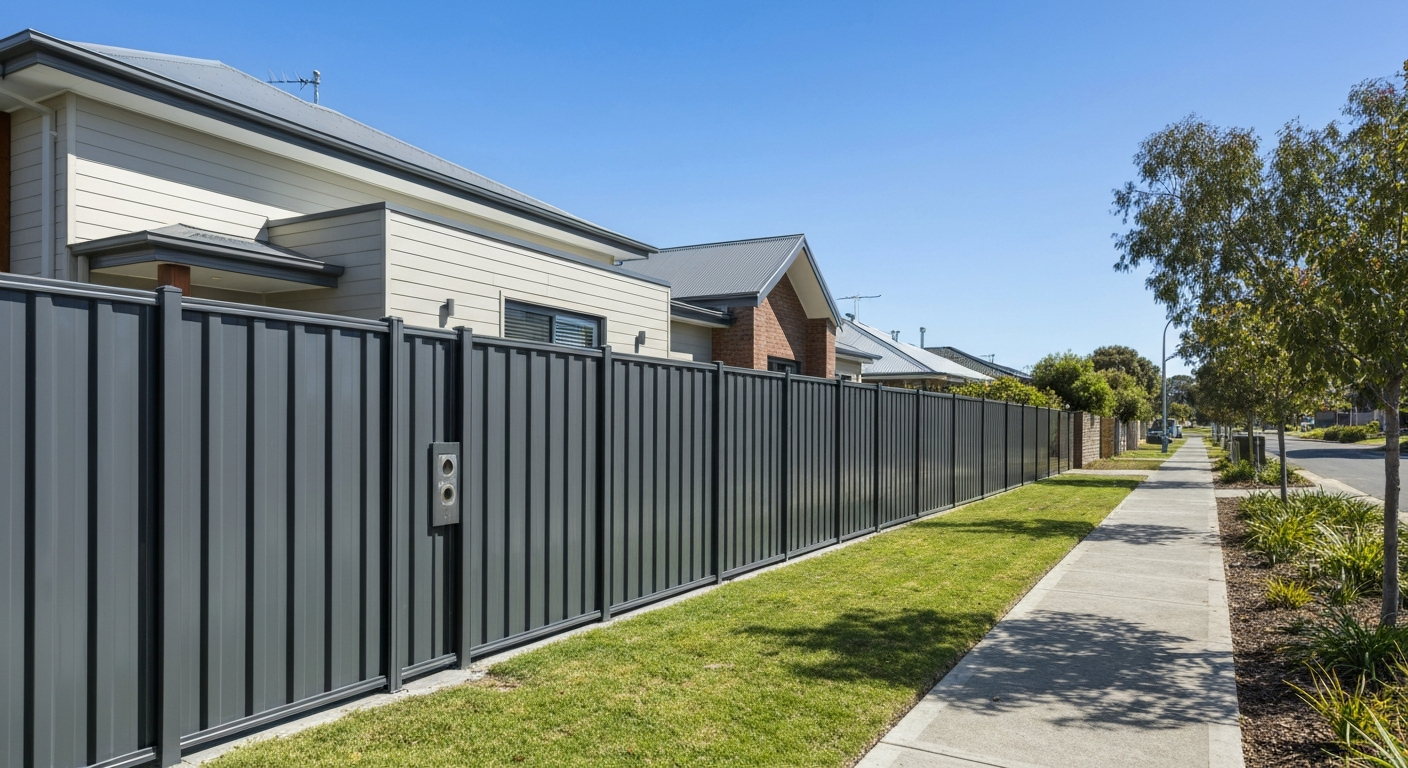
Wind Resistance Tips for High Quality Fence
Wind is one of those pressures that you just actually appreciate when you've driven back to a website after a huge weather system. The ground looks penalty, the fence line looks directly from the road, and after that you spot it: a panel that's slightly loosened, a blog post that leans a touch more than it did last season, or a gate that now refuses to sit flush. Quality secure fencing is not practically looks and neat trims. It's about how the whole system behaves when air pressure pushes, pulls, and swirls across it.
Whether you're a fence contractor preparation product quantities or a fence installer thinking about repairings and blog post spacing, wind performance boils down to a few practical choices: fencing elevation and leaks in the structure, blog post size and embedment, bracing method, equipment option, and also what's occurring with the ground. Below are field-tested wind resistance ideas that aid secure fencing last through gusts, not simply via tranquil mornings.
Start with the truth of wind tons, not the advertising brochure
Fencing is generally a sail unless you design it like a structure. Air does not hit a fence and politely stop. It increases around sides, produces stress on the windward side, then creates turbulence on the leeward side. That implies 2 fencings of the exact same height can experience extremely different loads depending upon spacing, picket design, and how much air can pass through.
A solid paling fencing can feel "solid" due to the fact that it looks hefty, but wind can get under edges if the boundary isn't sealed and the articles aren't braced. A completely open paling can feel "light" yet the wind may travel through with much less resistance, depending upon the picket spacing and the angle of attack. The most durable results typically come from balancing leaks in the structure with stiffness, so the fencing doesn't flap or rack.
In coastal and open suv stretches, gusts don't simply get here. They likewise continue. You can prepare for a storm like a one-off occasion, yet fences are staying in a cycle of loading, dumping, and small movements. With time, those micro-movements tiredness screws, loosen concrete bonds, and permit deterioration where water can sit.
Choose a layout that manages airflow, not one that simply obstructs it
When people think about privacy fence, they commonly visualize a fully closed surface. In wind terms, fully shut surfaces imitate a wide plane. To enhance wind resistance without giving up too much privacy, you can collaborate with materials and spacing that reduce "waving" while still restricting sightlines.
Here are a couple of style hints that matter:
- If the fencing utilizes upright boards, picket spacing and board size alter the reliable wind stress. A slightly greater leaks in the structure can reduce the force on the structure, which can reduce tension on articles and fixings.
- If the fencing has voids at the bottom or around entrances, make certain there's a plan to manage wind getting under and lifting areas. Lift pressures are brutal on poorly supported rails.
- If you're including decorative latticework or "transparent" components, treat them as component of the wind layout. Decorative sections can look small, however they usually sit in high-turbulence areas like close to corners and ends of runs.
On one task I serviced, the short was "maximum privacy," so the customer picked tighter spacing. Visually it was ideal. After the initial solid wind period, the fencing still looked lined up, however we saw rail fasteners resolving in the concrete line, an indication that the frame was taking extra load than it was designed for. We ended up adding angled dental braces at the ends and enhancing the gate header. It wasn't a dramatic solution, but it turned a fencing that was gradually working loose right into one that remained solid.
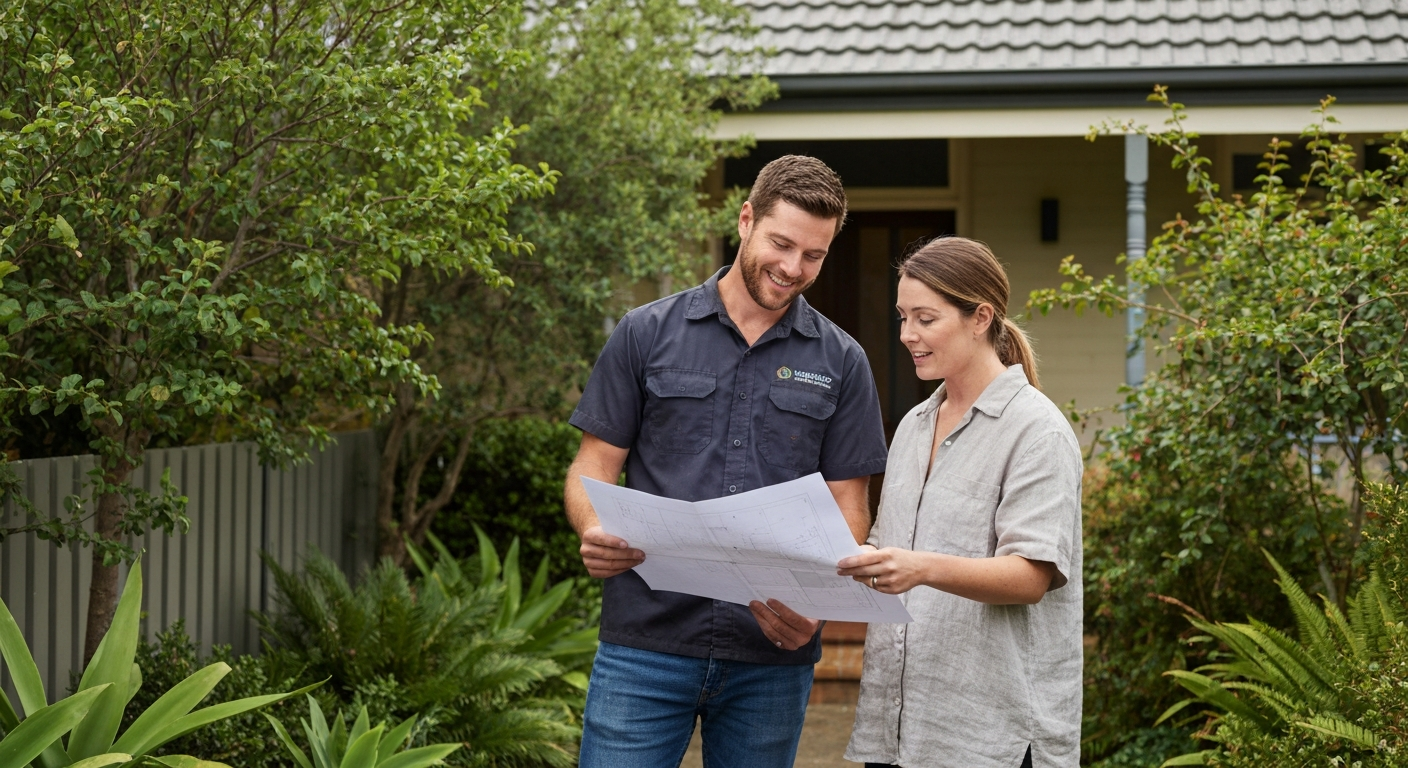
Post dimension, embedment depth, and placement are the foundation of wind performance
If you desire one simple takeaway, it's this: wind resistance is won or lost in the ground. Over ground, you can enhance rails and boost hardware, but a blog post that moves also a little under cyclic loading will at some point telegram that motion right into the entire fence line.
When individuals call around for fencing contractors Melbourne or are comparing a fence company Melbourne quote, they often concentrate on the wood and the colour. The far better questions are about the blog posts: size, wood grade or steel density (depending on the system), embedment depth, and how the article is set.
A couple of useful factors from common website job:
- Embedment depth matters more than you think, especially in soils that drain quick or soils that shrink and swell with moisture changes.
- Alignment matters due to the fact that wind uses force at angles. A post that's set a portion out of real can develop greater tension at the rails, which transforms small issues into failures.
- The concrete collar or foot dimension (where made use of) affects exactly how well the message stands up to rotation. A minimal ground can look penalty until the fence gets continuously loaded.
For lumber messages, the larger inquiry is usually resilience where the blog post shifts from concrete to air. If the base location is prone to remaining wet, you can obtain rot. Rot lowers the article's ability to stand up to bending, which flexing resistance is exactly what wind tests.
For metal posts, corrosion control is the compromise. A good system makes use of compatible layers and prevents capturing water where dissimilar metals meet.
Bracing and end posts: where wind discovers the weak point
Wind acts like it's searching for activity. Corners, runs, entrance openings, and fencing ends are classic locations for greater tension. That's where fences typically fall short initially because the pressures need to be moved right into the posts.
Quality secure fencing systems treat end messages and corner settings up as architectural components, not just endpoints. If you're intending a long term, think about where the fence requires "anchors" so it can hold stress and resist racking.
This is additionally why gateway hardware selection matters for wind resistance. Gates resemble hinged doors with a sail result, and wind can keep trying to turn them open or shut. If eviction frame bends, it will certainly loosen over time, which loosening comes to be a new entrance factor for wind-driven vibration.
As a guideline, bracing should be treated as component of the style, not a second thought. If you have a long period with several panels and no diagonal supporting at periods, you're asking the rails and fasteners to absorb the work that braces were indicated to do.
If you're employing a fencing contractor, it's reasonable to ask how they support end areas and what they do at gateways. A strong response typically consists of reference of angled bracing, larger end articles, and strengthened rail connections.
Rails and bolts: the undetectable system that takes the punishment
Posts resist bending. Rails disperse pressure. Fasteners and ports make it all remain with each other. In wind occasions, vibration and duplicated tons cycles can loosen fasteners even if the fence does not noticeably fail immediately.
Common vulnerable points include:
- Fixings that are too small for the tons, or that don't have proper corrosion resistance.
- Rails that aren't robust enough for the span between posts.
- Poorly clamped links where the rail can relocate a little, letting the wind "work" at it.
In hardwood secure fencing, rail thickness and the method boards are protected to rails affect stiffness. In metal secure fencing, the rail and bracket system matters just as much. The hardware needs to work with the fencing material and developed for outdoor exposure.
One functional information that makes a distinction: use the appropriate length and kind of screws and screws for the task. It's tempting to switch to a "near adequate" fastener when a provider goes out. A great deal of fence installers have tales regarding that a person replacement that triggered early loosening. The concern isn't just strength. It's additionally the hold and just how the fastener handles cycles of expansion and contraction.
Span length and blog post spacing: "the shorter the far better" is not constantly the complete story
Post spacing is just one of the most significant manageable variables for wind resistance. Closer spacing usually enhances resistance since each panel frame is supported a lot more frequently. However tighter spacing boosts material and work, and it might not be essential almost everywhere if the style is or else stiff.
Instead of presuming one global message spacing, believe in terms of how wind lots interact with:
- panel stiffness (just how rigid the boards and rails are)
- fence leaks in the structure (how much air can pass through)
- terrain exposure (open paddocks act extremely in different ways than protected yards)
- how numerous fencing line disturbances exist (entrances and corners multiply tension)
On websites with considerable direct exposure, we typically find the fencing needs either more detailed post spacing, or stronger braces, or both. On protected blocks, you may keep the span sizes practical and concentrate on appropriate end assemblies and entrance bracing.
If you're a fence contractor handling multiple sites, this is where site assessment ends up being a behavior. The best outcomes normally originate from treating wind threat as a site-specific variable, not a one-size-fits-all spec.
Gates are not a device, they're part of the wind system
Many fencings "make it through" wind storms till the initial gate episode. The moment the gate begins to swing or rack somewhat, it can alter the pressure circulation on close-by panels. That can loosen up surrounding repairings and create a chain reaction.
For wind resistance, gateway style should include:
- an inflexible gateway framework that does not twist under gusts
- proper latching so the gate does not relocate under pressure
- hinges placed safely to posts that are supported and set properly
- an approach for the reduced side, especially if wind can get under and produce lift
If you've ever before seen a gate that gradually started massaging one side after a gusty season, that's often the tell. Repairing it generally requires more than tightening a joint. It can involve re-aligning eviction and checking the message set, plus reinforcing eviction header.
When individuals search for fence installer Melbourne or contrast fence company Melbourne options, it's worth asking just how the installer treats gates under wind. A great secure fencing task consists of eviction as an architectural element.
Soil, drainage, and ground condition: wind meets water
Wind lots are mechanical. However dirt practices brings wetness right into the equation. Fence posts can relocate because the ground modifications around them, not since the fencing "had not been solid."
A couple of ground-related factors that come up typically:
- If dirt drains pipes inadequately, the embedment area can stay damp much longer, increasing rot threat for hardwood and rust danger for metal.
- If dirt is reactive, moisture adjustments can cause swelling or contraction around the message, reducing embedment support.
- If you establish messages without accounting for irregular ground, you can produce torsion factors that wind amplifies.
Concrete set ought to also be handled very carefully. Insufficient concrete can decrease rotational resistance. Way too much concrete or poor placement can develop water catches where hardwood transitions. In some cases, using safety measures like appropriate post bases and securing approaches improves durability.
It's one reason "the very same fencing" can carry out in a different way throughout neighbouring buildings. Soil and drain patterns rarely respect home lines.
Build for the sides: edges, returns, and fence line changes
Edges are where stress modifications fastest. A fence run that takes a trip directly can still experience vibration at constant factors, but corners, returns, and transitions from complete elevation to partial elevation can come to be high-stress areas.
A corner fence line needs stronger links since wind direction modifications relative to the fence. For returns, where the fence turns back along a various boundary, wind can push throughout surfaces at an angle and develop turning forces on intermediate posts.
This is another area where a fencing contractor's experience shows. They'll intend supporting locations so the fence acts like a system as opposed to different panels that take place to line up.
When assessing wind resistance on an existing fence, it's typically the corners and entrance sides where you'll see the very first looseness.
A quick field checklist before mount day
If you're working with fencing installers or fence contractors and intend to sanity-check wind preparedness, here's a small collection of concerns you can ask on website. Keep it sensible, because information change with the material and conditions.
- How are end posts and entrance posts braced, and what bracing method is used?
- What post size or thickness is defined, and what embedment depth is used for this soil type?
- What is the optimum panel span between blog posts for this design?
- What corrosion-resistant correctings are utilized, and are they suitable with the fence materials?
- Are there added procedures planned for open direct exposure areas, corners, or fencing line changes?
You'll usually obtain a much better solution if you ask these early, prior to timber is reduced or posts are established. A good fence company will welcome the questions, due to the fact that good fence is made with intent, not improvised throughout installation.
Common mistakes that look fine up until wind season
Even careful installers can get tripped up when website restrictions interfere. Below are some constant concerns I've seen on work that came back after weather:
A fence could be mounted level, yet articles might be somewhat out of plumb because of unequal ground. Under calm problems, it looks right sufficient. Under wind, small lean becomes joint tension. Another blunder is over-relying on rail tightness without guaranteeing articles are properly anchored. Bed rails can resist movement, however they can not stop blog post rotation.
Hardware substitutions can likewise matter. If someone uses a different screw or less bolts to "make it faster," the fencing could hold for some time. Then wind vibration starts to loosen the system. The fence isn't necessarily falling short due to the fact that it's weak. It's falling short due to the fact that it's flexing more than the design assumes.
Finally, ignoring gateways is a big one. A gate can be the only component that turns easily. Once it does, it can affect adjacent alignment and make the entire area act like a loosened joint line.
Choosing a specialist: what to seek beyond the cheapest quote
Wind resistance is partially engineering and partly workmanship. When contrasting fencing contractors or a fence contractor, you're truly comparing exactly how they manage details under actual conditions: the ground, the exposure, the hardware, and the supporting plan.
The ideal signals I've located are less regarding expensive wording and even more about exactly how they clarify the work. A fencing contractor Melbourne that has done comparable work close by will generally discuss site direct exposure and just how they take care of supporting and article setting. They will not simply say "excellent materials" or "proper installation." They'll point out specifics, like blog post embedment, support areas, and hardware choices.
If you're handling a fence company Melbourne that sets up a great deal of border fencing, ask whether they have typical requirements and exactly how those specifications adapt to wind exposure. Experience issues, particularly if the region consists of seaside gusts or open plains.
How to analyze your existing fence's wind risk
Not every viewers is building new. Lots of people are repairing, reinforcing, or deciding whether a substitute is far better than trying to patch.
A functional way to think of wind resistance on an existing fence is to search for very early indicators of activity and exhaustion:
- Are panels loose to the touch, particularly near articles and entrance hinges?
- Do you see voids that broaden and transform after windy weather?
- Are there indicators of rail movement, like unequal board placement throughout seasons?
- Is there corrosion or discoloration near fixings, indicating dampness activity and fastener stress?
- Do corners and ends reveal more helping to loosen than the straight runs?
If you're currently discovering movement, treating it early is less costly than waiting for the point where the fencing requires major rework. Tightening up correctings may help momentarily, however if the article collection or bracing is inadequate, the problem will return after the following gust cycle.
Small upgrades that can materially improve wind performance
If you're not changing the fence however desire stronger wind resistance, you can frequently enhance outcomes via targeted reinforcement. The secret is to concentrate on the components that send loads: brace points, end settings up, and gateway connections.
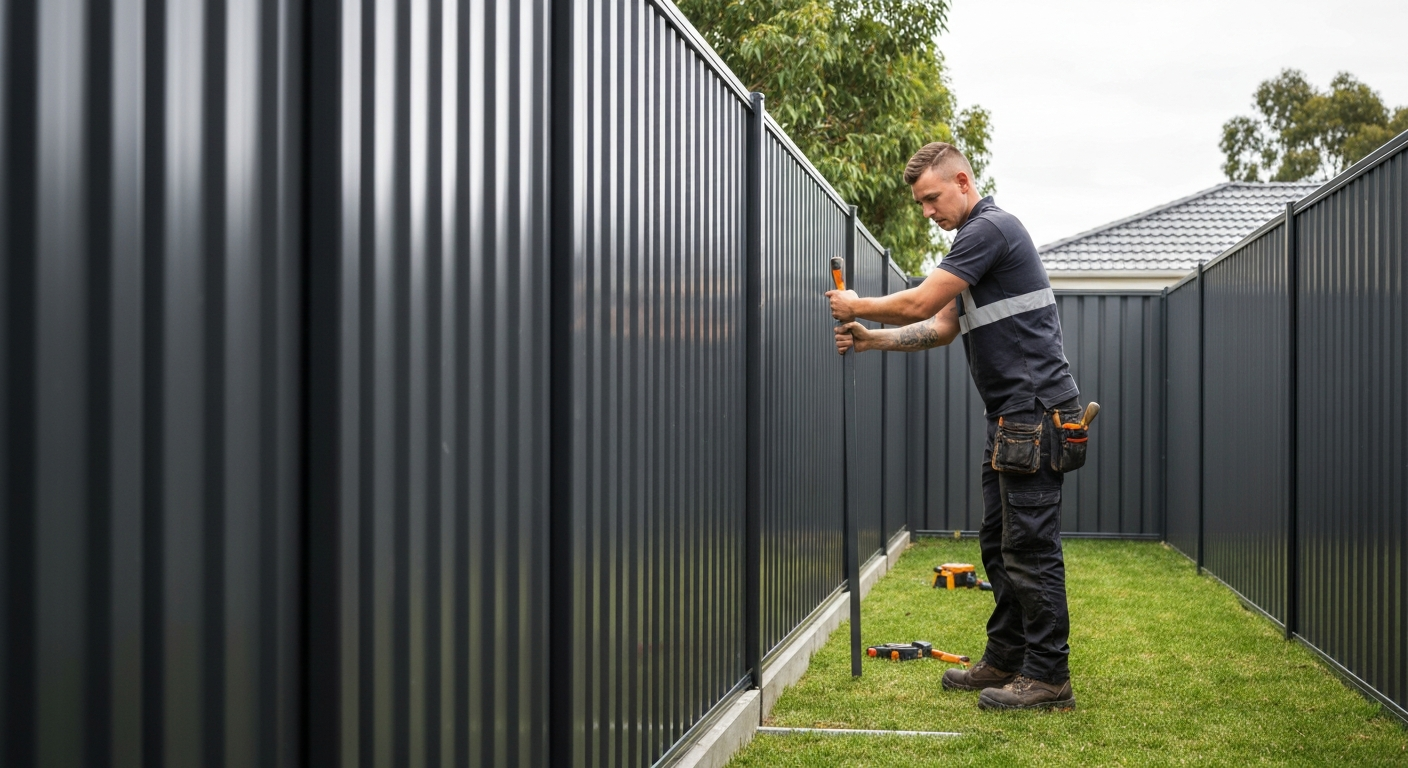
Here's a short list of upgrades that frequently make good sense when assessed on site:

- Add angled supporting at fence ends and around entrance openings
- Shorten the reliable span by adding intermediate blog posts where panels flex
- Upgrade to higher-grade, corrosion-resistant fasteners and connectors
- Strengthen gate frames and joint mounts, not simply lock adjustments
- Seal or safeguard hardwood message bases where moisture is most likely to sit
This is where reasoning matters. You can not constantly inform the real rigidity problem from a fast visual assessment. In some cases reinforcing the wrong area offers a false complacency. The very best strategy is to recognize where the fencing is really relocating under wind or vibration, then enhance the load path.
Weatherproofing for wind-driven water and corrosion
Wind rarely takes a trip alone. It brings rainfall, haze, and debris. Those components can attack the fencing and the dealings with, lowering wind resistance over time.
For hardwood fences, wetness monitoring is about maintaining the message and bolt areas shielded. For steel parts, corrosion control has to do with making sure coatings remain intact which water is not caught in manner ins which speed up rust.
In both situations, think about how wind-driven water acts near the ground. Splash and dirt dampness can migrate up the blog post, specifically where debris gathers. Cleansing debris near fencings may appear basic, however it decreases dampness retention and makes very early corrosion visible, which assists you keep the system before it weakens.
The viewpoint: high quality secure fencing is about remaining limited and straight
Wind is a moving target. Even if your fence looks excellent on the first day, wind resistance is proven across periods. A high quality task goes for a fence that stays tight, doesn't rack, and does not slowly loosen at fasteners.
That's why the very best fencing installers and fence contractors assume in systems. They do not treat each panel as separated. They develop blog post embedment, brace positioning, rail rigidity, and gate equipment as one connected structure.
If you're intending a brand-new fencing or reviewing a fixing, take a min to consider the wind instructions your backyard experiences, the exposure level, and where your fencing line has corners and entrances. After that ask for the concrete details: message specifications, bracing method, and the strategy to equipment. When those components are taken care of well, wind season becomes something you withstand, not something you fear.