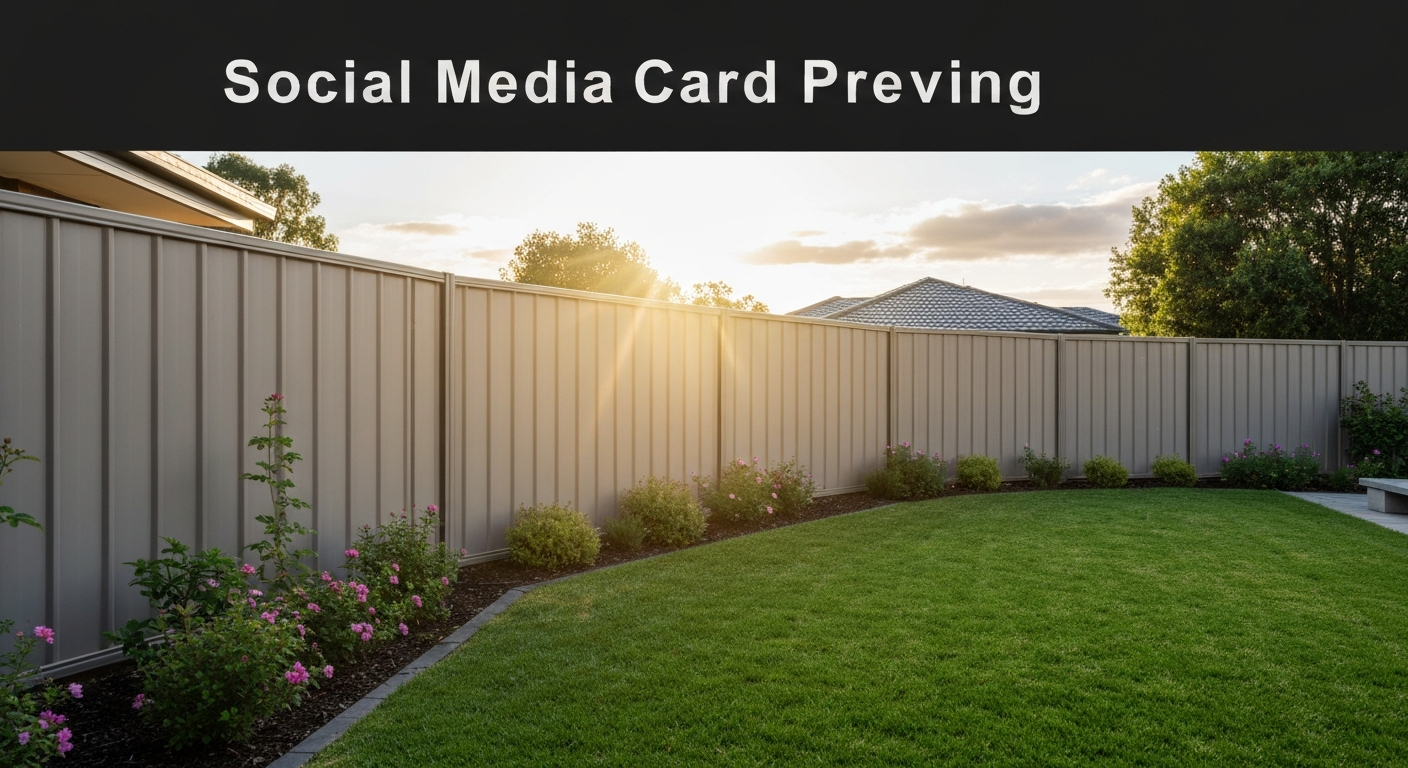
Fencing Contractor Tips for Backyards With Sloped Lots
A sloped yard turns a "easy fencing" right into a job that demands planning, perseverance, and a little humility. One neighborhood whole lot can resemble a gentle downhill grade from the patio, after that you drop right into the lawn and recognize the ground is climbing or falling by inches per foot. That's when fence lines start to eliminate you. Articles wish to lean, rails intend to twist, and gateways quit turning like they utilized to.
If you hire fencing contractors, or you're speaking with a fence company concerning scope, the questions you ask early choose whether you get a directly, solid fencing or a jumble of concessions. I've built and managed adequate fencing installs on uneven home lines to recognize the hard reality: slope isn't the adversary. Poor site choices are.
Below are the useful pointers I use as a fencing contractor when the lawn runs downhill, up a hillside, or does both within the exact same run.
Start with the incline reality, not the appealing plan
Most fencing formats start with a straight line on paper. On flat land, that works. On a sloped whole lot, straight lines in strategy check out do not translate right into degree boards in the real world. The fence has 2 tasks that frequently conflict with each other:
Before you pick a style, stroll the border and actually enjoy the quality. Bring a measuring tape and note the elevation modification where the fence will certainly run. Also a standard "regarding just how much decrease over the size" price quote alters the conversation fast, because it determines whether you can use step-style building and construction, tilted panels, or a tapered post establishing approach.
If the yard goes down sharply, you also require to make a decision whether the fence is suggested to be simply aesthetic privacy, a wind break, a pet obstacle, or a combination. The more the fencing must operate as an obstacle, the much less space you have for decorative unevenness.
A solid fencing contractor will typically inquire about drainage as well. Water doesn't value the cleanliness of a fencing line. On sloped whole lots, runoff can gather near the bottom edge, laundry around blog post holes, and undermine the soil that holds your posts.
Choose the ideal fencing technique: action, incline, or custom
There are three usual ways fences handle incline, and every one has trade-offs.
Stepped fences make use of a constant top rail or fence height in each "action," with the next section tipping up or to match the quality. Visually, it's commonly the cleanest look, especially with pickets and many sorts of panel fence. Functionally, it maintains the boards mainly aligned with each other within an area, which helps with gateway operation.
Sloped fences attempt to keep the fence line "continuous" by angling rails and picking up the account with the ground. This can look natural on some landscapes, but it becomes complicated when you need strong consistency for latching, tidy placements, or uniform spacing. Some house owners like it, but you pay a lot more in careful manufacture and post settings.
Custom solutions appear when the incline is irregular, the lawn has retaining walls, or the whole lot's elevation adjustments two times over a short range. This is where you might see conical messages, custom rail angles, or sections that step partly, after that transition.
When you chat with a fence company, don't accept a single-word solution like "we'll simply do it." Ask just how they intend to maintain the fencing top aligned and the panels consistent. The best contractors will certainly define the building method plainly, not simply assure results.
Confirm the residential property line and your authorization requirements
On a sloped great deal, it's easy for presumptions to develop into costly rework. Study stakes can be tough to find in uneven lawns, and neighbors in some cases determine from different factors because the grade hides corners.
Before any type of trenching or message excavating, make certain the boundary is validated. If you currently have a survey, bring it to the site meeting. If not, ask the fencing contractors you're considering what they do when residential property markers are missing out on or unclear. An expert fence company treats boundary verification as component of the project, not an optional favor.
Also check regional authorization rules. Some areas permit fencings up to a certain height, others call for obstacles, and some have slope-related factors to consider for water drainage or grading. Allow restrictions might not be about incline directly, however incline influences how you mount blog posts, whether you're disrupting more ground, and what your last fence profile looks like.
Plan for article depth and stability in real soil conditions
A fence on a slope still needs posts that stand up to lateral movement. The biggest error I see in sloped yards is shallow blog post setting because all-time low of the grade "looks great" when you first dig. Soil can alter fast with elevation and water drainage. The top of a hill can be drier and more portable, while the reduced portion can be looser or wetter, often with various compaction and natural content.
When posts are put, ask your service provider concerning post deepness and how they manage variability. A solid fencing contractor must describe exactly how they'll represent different soil layers along the run. In practice, they might require deeper openings at specific factors or make use of concrete where soil is unstable. The exact numbers differ by area and dirt, but the mindset is consistent: the plan needs to adapt to the ground, not force the ground to approve the plan.
One field observation I trust fund: lower-yard messages frequently require more focus. Overflow and saturation can soften the dirt around those holes. If water is moving along the fencing line, think about just how the fence interacts keeping that movement. If you do not, you can wind up with articles that slowly loosen and rails that start to sag.
Use string lines and measurements that match the terrain
A great deal of fence issues start prior to the very first article hole. If format marks are wrong, incline will magnify the error. On flat ground, you might hide a small mismatch. On a slope, a small angle comes to be a huge visual shift over a long run.
A much better technique is to set a layout technique that complies with the quality. Service providers frequently use string lines tied into constant recommendation points. The objective is to verify:
- the fencing line is directly along the building boundary
- the blog post places match the spacing requirement
- the leading profile matches your chosen building method (steps or incline)
When you're assessing a quote, ask just how they'll lay out blog posts on a sloped lawn. If they can not explain their process, you need to take that as an indication. A fence company that does this consistently will speak like they've done it in the past, because they have.
Talk about rails, picket spacing, and exactly how "degree" will certainly be handled
Homeowners usually state, "I want it level." On incline, "level" and "comply with the ground" can indicate various points. Bed rails can be installed to be level within their step sections, or they can be installed at a consistent angle. Pickets can keep consistent spacing however still look different depending upon how rails and assistance posts are set.
Here's the vital inquiry to ask: "Will the fence leading be degree within sections, or will the fencing adhere to the incline continuously?" Then ask exactly how that influences voids at the bottom.
In many sloped backyards, a tipped top rail and consistent spacing offers one of the most foreseeable look. It likewise aids with gateways. Gates depend upon placement. If eviction framework sits at a minor spin since the articles were set without an account technique, you'll combat it permanently. A skilled professional constructs eviction after the fence line is established and the message altitudes are finalized.
Don't disregard drain and dirt movement
Sloped great deals are not simply "slanted." They experience motion. Freeze-thaw cycles can push and change dirt. Saturated ground can resolve. Also without frost, dirt can erode around message openings if runoff moves towards the fence line.
If the backyard has noticeable disintegration, standing water after rain, or soft ground near the bottom of the slope, bring that up. An expert fencing contractor will not treat it as a shock later. They'll recommend a strategy that could entail improved post-hole prep, appropriate concrete positioning, or in some cases adjustments to the fencing placement to prevent the most awful runoff channel.
Also focus on downspouts and irrigation. A downspout discharging towards the fence can continuously wet the exact same area. That's a straight path to loosening up messages. Often the most effective "fencing repair" is not the fence whatsoever, it's relocating water.
Concrete, no concrete, or something in between
This is where conversations can get heated. Some clients want zero concrete, preferring less expensive or "more natural" settings. Others desire maximum stamina, which commonly suggests concrete around blog posts. On a sloped great deal, the dirt problem and water habits matter more than preference.
In unsteady or saturated soil, concrete can support posts and minimize the danger of washout. But concrete can likewise trap water in particular problems, and improper setup can create other concerns, like water merging around the base. The best response depends on how the professional prepares openings, makes use of crushed rock or drain where appropriate, and guarantees the post is established correctly.
The sensible tip for house owners is to request the rationale behind the approach. A fencing contractor that recognizes slope will clarify why the selected setting approach makes good sense for the dirt and drain pattern at that particular run of fence.
Gate positioning is a slope choice, not an afterthought
A gate on a sloped yard can act like a diva. Also if the fence panels look fantastic, a gateway can sag, massage, or stop working to latch if the hinge side posts are not straightened to the last entrance frame plane.
When incline is entailed, the most trustworthy path is to treat entrance installation as a regulated building step. That implies:
- confirming the gate opening size and where the gate will certainly "sit" about grade
- aligning hinge posts so the gate structure can be square without requiring hardware
- checking lock elevation and swing clearance based on actual final elevations
If your fencing plan consists of entrances, ask whether the contractor establishes the blog posts first, then procedures and fabricates eviction, or if eviction is standardized and set up early. Either can work, but the very best results normally come from developing eviction after the fence line is correctly profiled.
Materials issue, especially at the bottom of the fence
Wood, plastic, light weight aluminum, and composite secure fencing each respond to incline differently. On a sloped lot, the bottom side frequently experiences the most stress from water, particles, and unequal ground contact.
With wood, dampness and call with wet dirt can drive rot. Even if the fence is over ground, dash and drainage can reach the reduced boards and rails. A contractor needs to think of exactly how to preserve appropriate clearance and exactly how the bottom spacing will certainly evaluate steps.
With vinyl, a constant run can look very clean on incline, yet panel alignment and rail angles still matter. A tipped profile might lower stress and maintain sections consistent.
With aluminum, you commonly get extra steady long-term placement, yet you still need precise article setting and proper rail connections. Aluminum looks straight when it's developed straight, and it shows every error quicker than some other materials.
If you're reviewing a quote, ask what adjustments they'll make to material installation on slope. A fence company that regularly mounts on sloped backyards will certainly recognize which details have a tendency to appear later as problems.
Get the quote line things that really shield you
Sloped lots develop additional labor, extra design time, and occasionally extra products due to reducing and manufacture. The quote ought to reflect that truth rather than bury it in vague line items.
Look for clearness on:
- the fence height and exactly how it will be kept across grade
- how many messages, and where they will certainly be set relative to the incline profile
- the installation technique for blog posts, rails, and pickets or panels
- whether gateway equipment and positioning are included and exactly how it will certainly be readjusted if grade varies
A strong, sincere specialist will inform you where the quote is firm and where it relies on site conditions exposed after format. That's not an uncertainty. It's responsible estimating.
A short list for house owners before the specialist digs
You can accelerate the procedure and avoid misunderstandings if you appear prepared. Right here's a limited collection of questions I suggest when you're speaking to fencing contractors about a sloped lot.
If the fencing contractor can not respond to these clearly, that does not instantly mean they're wrong. It means you could be the one soaking up the discovering contour, which can set you back more than a greater bid.
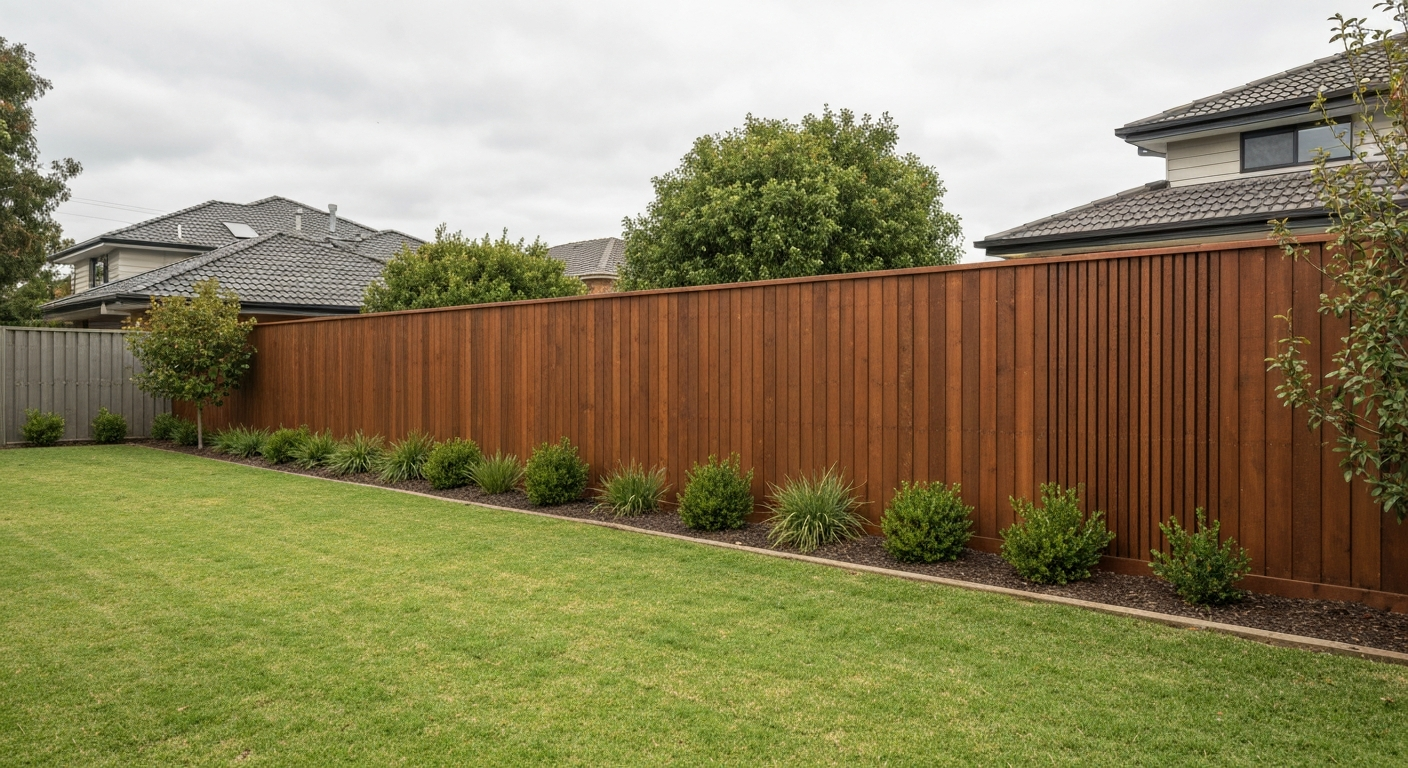
Expect extra modifications, but keep them controlled
On a sloped yard, you will likely have some on-site changes. That's typical. What matters is that the adjustments remain controlled and documented.
A great fence company will stroll you with the first section. They'll show how the chosen approach looks at the incline extremes, not just in the center. After that they'll reproduce that technique along the whole line. When you see that pattern, you know you're getting constant craftsmanship.
If rather you listen to "we'll figure it out as we go," ask what "figuring it out" means for your last look and hardware performance. When incline is entailed, improvisation can turn into visible waves, irregular spacing, and an entrance that never ever rather matches.
Common sloped-lot blunders, and just how to prevent them
Sloped yards welcome foreseeable mistakes. You can spot them early if you recognize what to look for.
Sometimes specialists reduced edges by using a solitary rail angle everywhere without thinking about how each blog post should line up. The outcome is a fence that looks fine from one angle and turned when viewed from another. Other times, messages are established based upon approximate measurements, and the slope builds up mistake over lengthy runs.
Another typical failing factor is neglecting disintegration and drainage patterns. If water moves under or along the fence line, posts can loosen and fencing areas begin to droop. That's not a product problem, it's a site management problem.
Finally, some projects fail due to the fact that the homeowner anticipates "level" without any trade-off. If you want an uniform top line on steep quality, you need a stepped system or custom-made framework. Or else the fencing should follow slope, and the bottom spacing will certainly vary.
An instance from a real kind of yard
I when worked a yard where the fencing line ran along the side residential property, going down concerning a foot over about 20 feet. The home owner enjoyed the idea of a tidy, modern-day leading line, yet the lawn had a wet reduced side after rainfall. We thought about a continuous sloped top rail, however we knew the latch and placement on eviction would be sensitive to tiny dimension errors.
We utilized a tipped top strategy, with constant panel spacing within each area. The crucial choice was establishing the hinge-side gate blog posts after the blog post elevations were verified, then building eviction framework so it matched the last account. The fence looked crisp from the street, and the gate shut smoothly. The lower spacing varied normally with grade, but it wasn't random, and it didn't produce unpleasant large spaces at the corners.
That project enhanced a guideline I still utilize: pick the approach that shields equipment performance. The fencing panels belong to the story, but entrances are where "virtually appropriate" comes to be "now I'm calling you once again."
How to talk to your fencing contractors about trade-offs
Bold projects need honest compromises. The "best" looking fencing may set you back more since it demands more mindful layout and even more fabrication. The "cheapest" fence could set up quick however might battle with long-lasting alignment or entrance operation.
When talking about a sloped-lot fencing, use language that forces clarity. Rather than asking, "What's the difference?" ask:
- "Which alternative will keep the gate square over time?"
- "What will the last leading profile resemble at the steepest component?"
- "Where do you anticipate the biggest material cuts, and just how will that influence spacing?"
A specialist that knows their craft will respond with concrete information, not vague reassurance.
Making the task really feel uncomplicated, even when it is n'thtmlplcehlder 210end.
A sloped backyard can be frightening because it resembles it should be more difficult than it is. The difficult component isn't the slope itself, it's making the appropriate building decisions early, with precise format and a sensible technique for how the fence will certainly adhere to grade.
If you're hiring fencing contractors or contrasting a fencing company proposition, concentrate on the process: how they determine, just how they set messages in variable dirt, and just how they plan for gateways and water drainage. Those are the components you can not fake with much better advertising or better samples.
When those decisions are sound, also a challenging slope winds up producing a fence line that looks intentional. It stands up to weather. It maintains its positioning. And most notably, it does its task without continuous changes that use you out faster than the climb down your yard steps.