

Dover, NH Bathroom Remodel: 5 Tub-to-Shower Conversion Mistakes You Don’t Want to Make
A bathroom remodel in Dover can feel straightforward when the goal is simple, like converting a bathtub to a shower. Pull out the tub, set a new base, tile, and you’re done, right? Not quite. The difference between a tub-to-shower conversion that improves daily life and one that causes headaches is decided by details you can’t see when you scroll inspiration photos. Dover’s older housing stock, mixed plumbing histories, and coastal humidity create their own set of pitfalls. Here are five mistakes I see most often, and how to avoid them.
Mistake 1: Ignoring Drain Size, Slope, and Placement
Bathtub drains are often 1.5 inches. Showers, by code in most New Hampshire jurisdictions, typically require a 2-inch drain for faster water evacuation. I’ve opened floors in 1920s bungalows near the Cocheco only to find a spaghetti of 1.5-inch galvanized and copper patched together over decades. If you drop in a new shower pan and keep the small drain, you risk slow drainage and standing water, especially with rainfall heads that push 2.0 gallons per minute or more. Pair that with Dover’s occasional high-humidity days and you’ll cultivate mildew.
Drain placement matters too. A center drain pan over an old end-drain tub rough often means additional joist drilling. Drilling or notching beyond code allowances weakens the floor. A safer approach is to select a pan with a drain location that lines up with what’s there, or reframe properly with sistered joists if you must move it. I typically budget 4 to 8 hours for drain relocation on wood-framed floors, more if we discover cast iron that needs cutting.
Mistake 2: Skipping Proper Waterproofing Behind the Pretty Surfaces
Tile is not waterproof. Grout is not waterproof. The membrane behind them is what keeps your structure dry. I still see conversions where someone installed cement board, tiled, and called it a day. In Dover’s capes and colonials, many exterior walls are 2x4 with minimal insulation, so moisture intrusion shows quickly as peeling paint in the next room or a musty closet.
Choose a system and commit to it. A topical sheet membrane with sealed seams, or a liquid-applied membrane with proper mil thickness, will protect the framing. On shower pans, I prefer factory-formed acrylic or solid-surface bases for clients who want speed and reliability. For custom pans, a properly sloped mud bed with a bonded waterproofing layer and a compatible drain is essential. Do not mix manufacturers unless their specs explicitly allow it. One project on Central Ave taught me this lesson the expensive way when a hybrid system failed at a drain flange that looked universal but wasn’t.
Mistake 3: Underestimating Wall Prep and Structural Realities
Bathtubs forgive wavy walls. Showers, especially with large-format tile or glass enclosures, do not. When converting a bathtub to a shower, you gain visibility into every framing irregularity. If you install a frameless glass door against a wall that bows 3/8 inch, you’ll fight leaks and binding hinges.
Plan for shimming studs, sistering warped members, and adding blocking. Blocking is the unsung hero: you need it for grab bars, glass door hinges, valve depth, and shower accessory niches. For older Dover homes, I also expect to find plaster transition issues where bathroom walls meet hallways. Taking an extra day to true the walls and add solid backing can extend the life of a shower by years and makes the tile layout cleaner.
Mistake 4: Choosing the Wrong Shower Format for the Space and Users
Not every bathtub-to-shower conversion should be a curb-less spa. Curb-less showers are fantastic for accessibility, but they require subfloor recessing or a raised bathroom floor to achieve proper pitch. In multi-family buildings or homes with shallow joists, that may be impractical without compromising structure or creating trip transitions at the doorway. A low, 1.5 to 2-inch curb often hits the sweet spot for most Dover homes, particularly when basements already have low headroom and you don’t want to drop plumbing below.
Think hard about doors versus curtains. Swing doors need clear floor area. On tight bathrooms in the Garrison district, a sliding glass panel avoids door interference with a vanity or toilet. And volume controls matter. If two people share a bath on different schedules, a thermostatic valve with a separate volume control lets you set a comfort temperature and avoid scalds when someone flushes.
Mistake 5: Neglecting Ventilation, Lighting, and Storage
A successful tub-to-shower conversion does more than change the wet zone. It must account for steam removal, shadows, and daily reach zones. I’ve affordable bathtub replacement services seen beautiful tile ruined by an anemic fan. Dover winters keep windows closed, so the fan does the heavy lifting. Aim for a quiet unit rated at least 80 to 110 CFM for typical baths, sized to the room, and duct it properly to the exterior with smooth-wall pipe where possible. Leaky, long flex duct runs cut performance drastically.
Lighting transforms the experience. A single vanity light leaves the shower cave-like. Add a wet-rated recessed fixture over the shower on its own switch. Task lighting at the vanity helps with shaving and makeup, while a warmer ambient layer makes the room feel inviting on cold mornings. For storage, a properly waterproofed niche at chest height beats wire baskets that rust. If the wall you want isn’t deep enough or holds vent stacks, a shallow vertical niche between studs can still carry bottles without protruding into precious elbow room.
Dover-Specific Considerations You May Not Expect
Many houses near the river sit over partially finished basements where headroom and plumbing runs are tight. Before any tub-to-shower conversions, I like to inspect from below. If your drain line crosses multiple joists before hitting the main stack, reaching a 2-inch slope of 1/4 inch per foot may be tough without lowering the line. That can affect ceiling heights downstairs. Also, Dover’s building department will typically require permits for a tub-to-shower conversion when you move plumbing or alter electrical. Plan for inspection lead times, especially in the spring surge.
Water quality plays a role too. If you’re on a well with hard water or iron, choose finishes and glass with protective coatings, and consider a handheld on a slide bar for easier cleaning. Matte black looks great on install day, but in hard water homes it demands more maintenance than brushed nickel.
Smart Budgeting and Timeline Realities
On a straightforward tub-to-shower conversion with no surprises, a pro team can often complete the work in 3 to 5 days using a high-quality acrylic or solid-surface system, or 7 to 10 days for a fully tiled shower depending on drying times and inspection scheduling. Older homes raise the likelihood of subfloor repair, plumbing upsizing, and wall truing. Build a contingency of 10 to 20 percent to handle discoveries like wet framing behind the old tub or a sagging subfloor at the drain corner.
Material choices affect both cost and longevity. A well-built acrylic base with solid walls can outperform a poorly executed tile shower. Conversely, a properly waterproofed tile system is hard to beat for longevity and repairability. You don’t have to chase trends to get a durable result. I’d rather see a simple white 3x6 tile, flat-panel glass, and a solid valve body than expensive tile hiding a rushed waterproofing job.
A quick pre-construction checklist
- Confirm drain size and route, and upgrade to 2 inches where required.
- Choose a single waterproofing system with compatible components.
- Straighten and block walls, and plan glass geometry before tile.
- Right-size the shower format, curb height, and door style to the room.
- Upgrade ventilation, add dedicated shower lighting, and design reachable storage.
When a Pro Is Worth It
If you enjoy projects, a tub-to-shower conversion can be within reach, particularly with a one-piece base and wall system. But the points that fail are often the ones you can’t see: the slope under the tile, the pan-to-wall transition, the valve depth, or the drain connection behind the ceiling below. In Dover, where many homes mix old and new work, a seasoned installer brings pattern recognition that prevents small issues from becoming rebuilds. Whether you plan to stay for decades or prep a home for sale, getting the waterproofing, structure, and function right pays for itself every morning when the water disappears down the drain, the glass stays clean, and the room smells fresh months later.
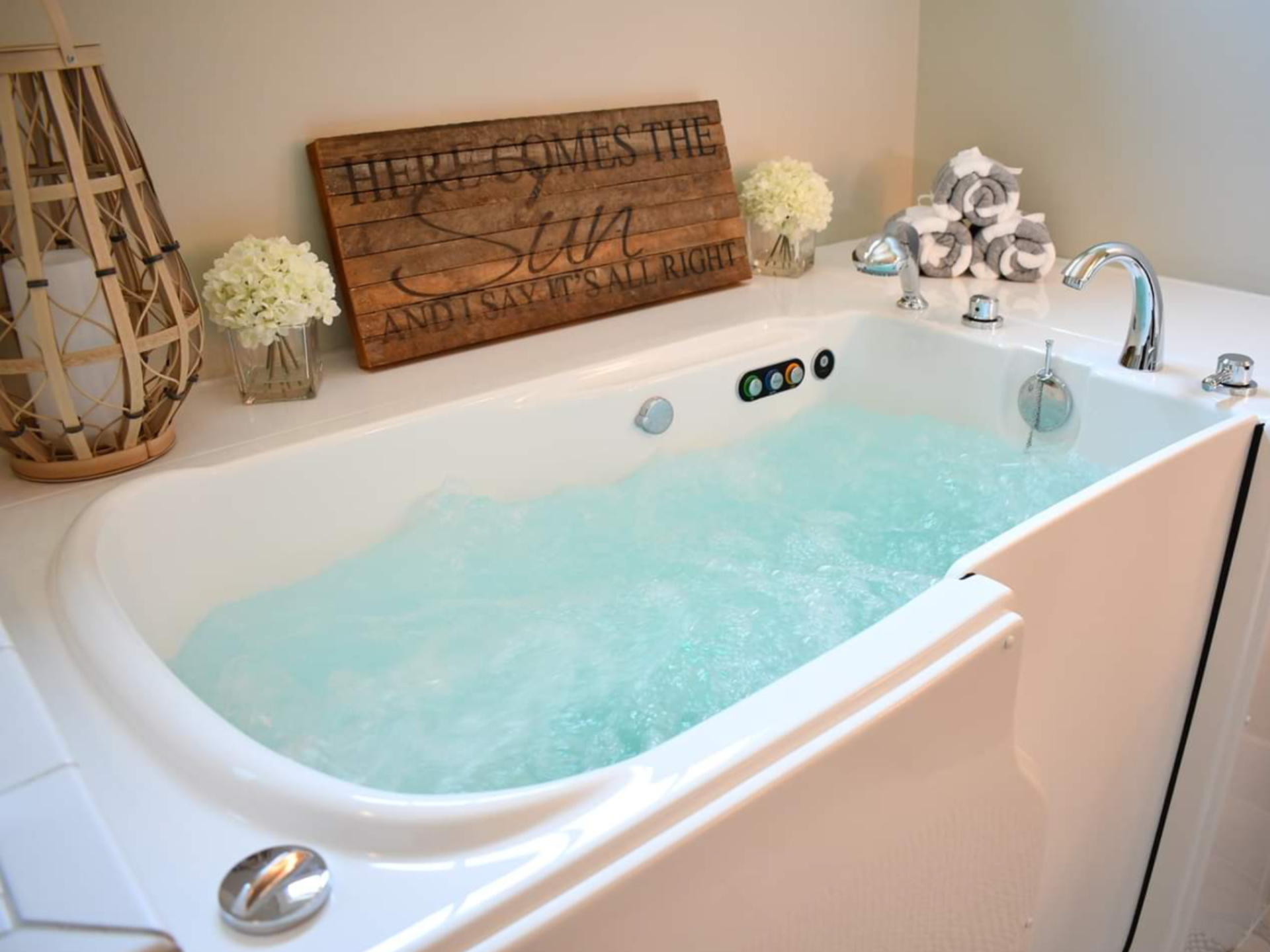
If you’re converting a bathtub to a shower soon, start with the bones, then worry about finishes. The best tubs-to-showers aren’t the flashiest. They’re the ones that feel effortless, day after day, through February cold snaps and August humidity, with no surprises hiding in the walls.