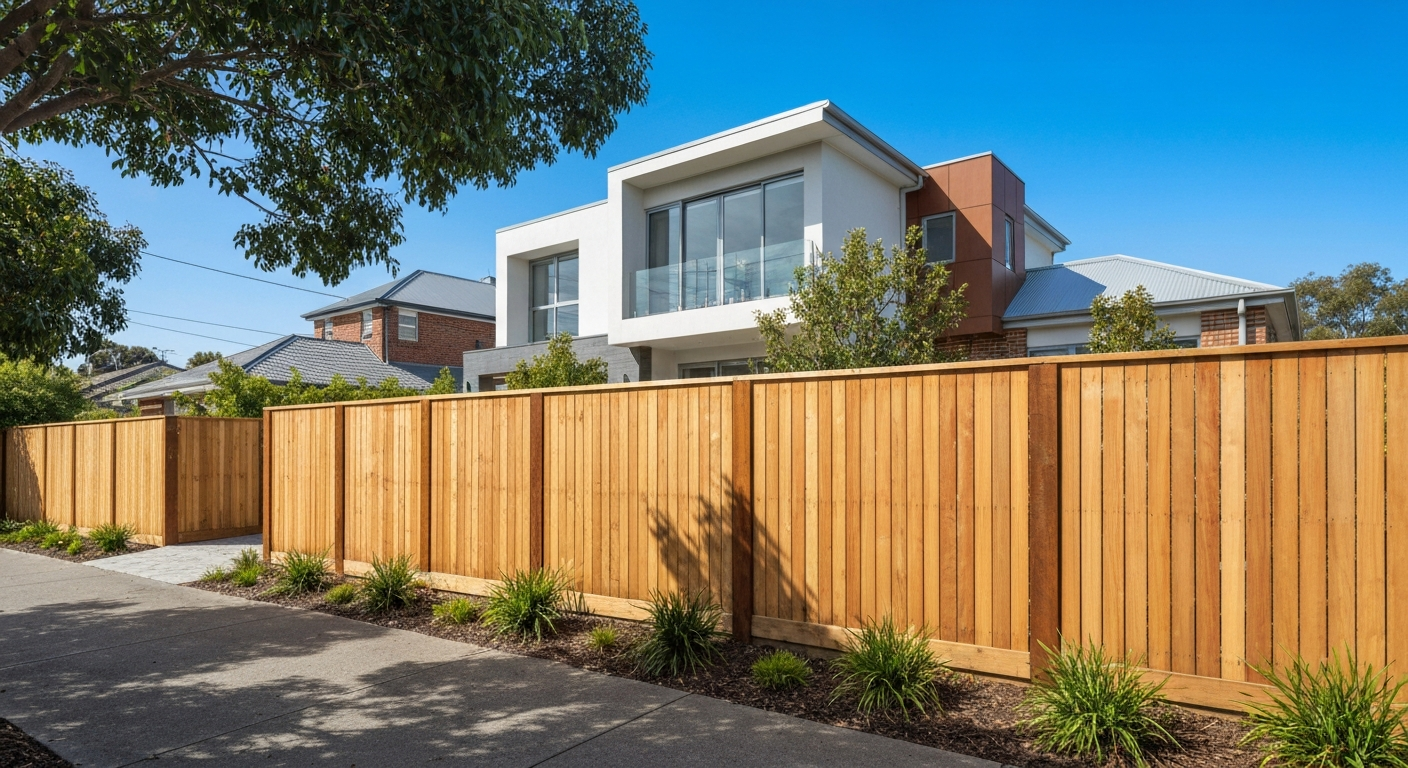
Fence Company Upgrades for Existing Residences
There's a moment most property owners identify, also if they do not say it out loud. You enter your lawn and realize the fencing you chose for "adequate" has actually begun to look like a jumble of decisions from various other years. One section leans. An additional one is drooping simply sufficient to welcome wind and leaves to play tag with your landscaping. The latch jobs, but only if you raise it properly. And after a storm, you discover yourself walking the border like an investigative, trying to identify whether the damages is cosmetic or structural.
Upgrading a fencing on an existing home really feels various from installing a brand-new one. You are not starting with a fresh start, you are working with whatever your residential or commercial property has actually currently educated your fence to do. Dirt type, fencing line water drainage, tree roots, prior articles set also superficial, and even just how the house works out in time all show up swiftly when you begin making renovations. A fence company that consistently handles upgrades can commonly detect those patterns quicker than a homeowner can by uncertainty alone.
I've seen sufficient of these jobs to know that "upgrade" is occasionally just a word individuals utilize for repair work. However the best upgrades transform just how the fencing executes, not just exactly how it looks. They can tighten security, lower upkeep, handle local climate better, and also improve just how the backyard really feels to stay in. And the fun part, if you like a little experience, is that fence upgrades can turn into a guided excursion of your residential property, one decision at a time.
The real factors old fences fall behind
A fence can look fine from the road and still be falling short where it matters. The fencing line takes the burden of everything: sunlight that bakes the leading rails, rainfall that works into message openings, wind that finds weak spacing, and foot website traffic that scuffs paint off near gates. Gradually, tiny concerns stack up.
One house owner I worked with had a fencing that was just a couple of years old, however it already had obvious bowing. It wasn't that the material was inherently incorrect. It was the installation deepness and the soil conditions. The area drained badly after heavy rain, so the posts sat in a moist, unstable setting for too long. The fence didn't promptly collapse, it gradually twisted. The property owner assumed they required "stronger timber," but what they truly required was a better structure strategy, plus a format that represented exactly how water moved along the fencing line.
Another usual motorist is gateway mismatch. People replace panels without recalibrating the gate equipment, or they maintain utilizing older hinges because eviction "still closes." At some point, that turns into unequal tension. A gate that drags can create laterally compel on surrounding rails. That sideways anxiety shows up as loosened braces and drew bolts on the rest of the run. When you update, you wish to deal with the gate as part of the system, not an isolated piece.
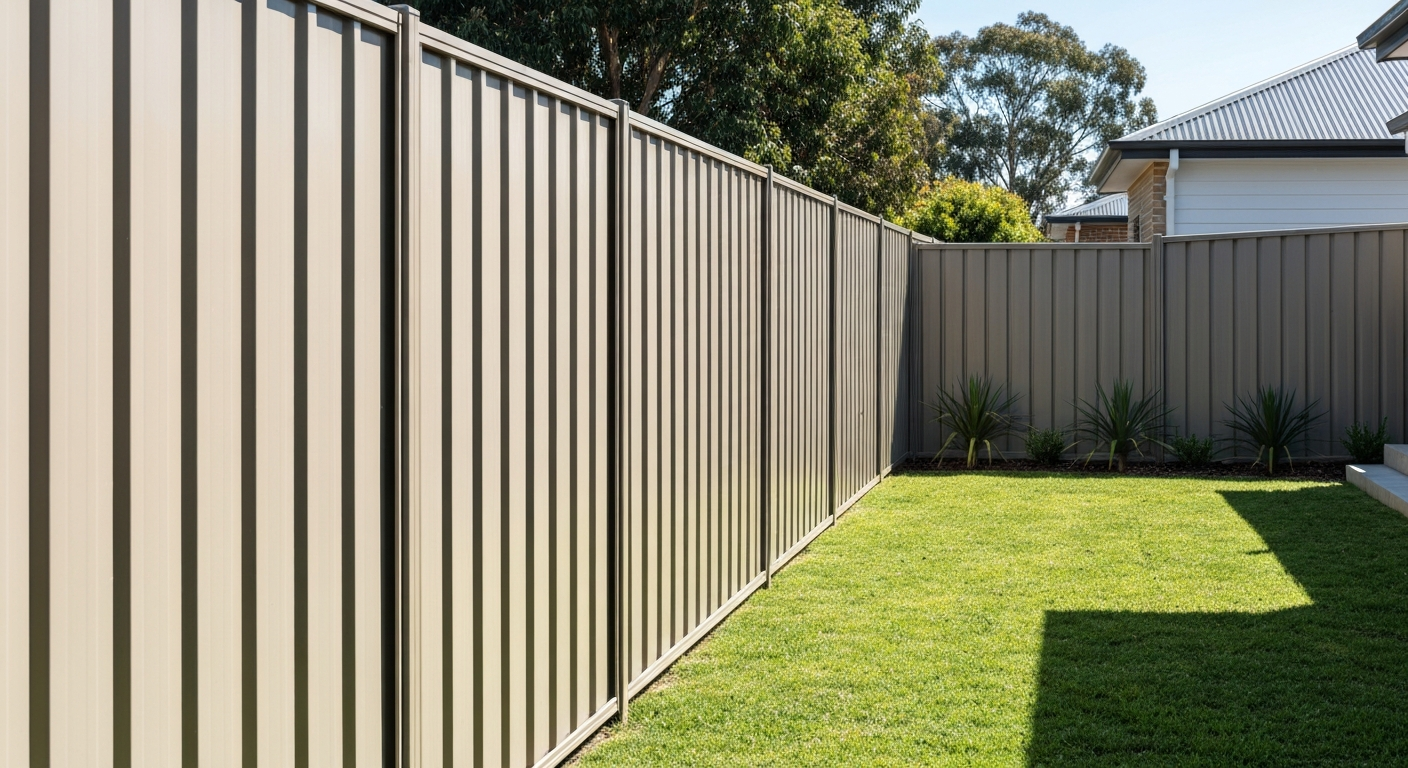
Then there's the most basic issue: the fence no more fits the life the homeowner has currently. A family members adds a canine. Children wish to play outside much longer. Somebody begins horticulture along the border and discovers the fencing is obstructing sunlight in places it never ever did in the past. Or personal privacy becomes the priority, because next-door neighbors moved more detailed than they made use of to. Those are not "cosmetic" changes. They influence elevation, presence, spacing, and even exactly how entrances open and close day to day.
Start with what you want the fence to do, not what it looks like
Upgrades go smoother when you select outcomes initially. Look issues, but it's normally the last point you secure. The outcomes direct the material choice, the message strategy, and the method the fencing line is measured.
For example, privacy upgrades typically audio straightforward: higher fencing, fewer voids. Yet the trade-off is wind tons. A taller fencing catches extra wind, and wind is not negotiable. If the fence line already has vulnerable points, enhancing elevation without reinforcing the structure can make things even worse. A good fence company will speak about wind direct exposure and the method the fencing is supported. They will likewise ask about nearby trees that might go down branches or scrape boards throughout storms.
Security upgrades are one more location where house owners in some cases underestimate the design side. If your fencing is indicated to prevent individuals, not just specify home lines, you require continuity at corners and an entrance that seals tightly. Among one of the most typical "safety and security upgrades" that still falls short is the fencing that has solid panels but a gate with a space vast sufficient for an individual to slip via. It's not about including a security system, it's about eliminating simple access.
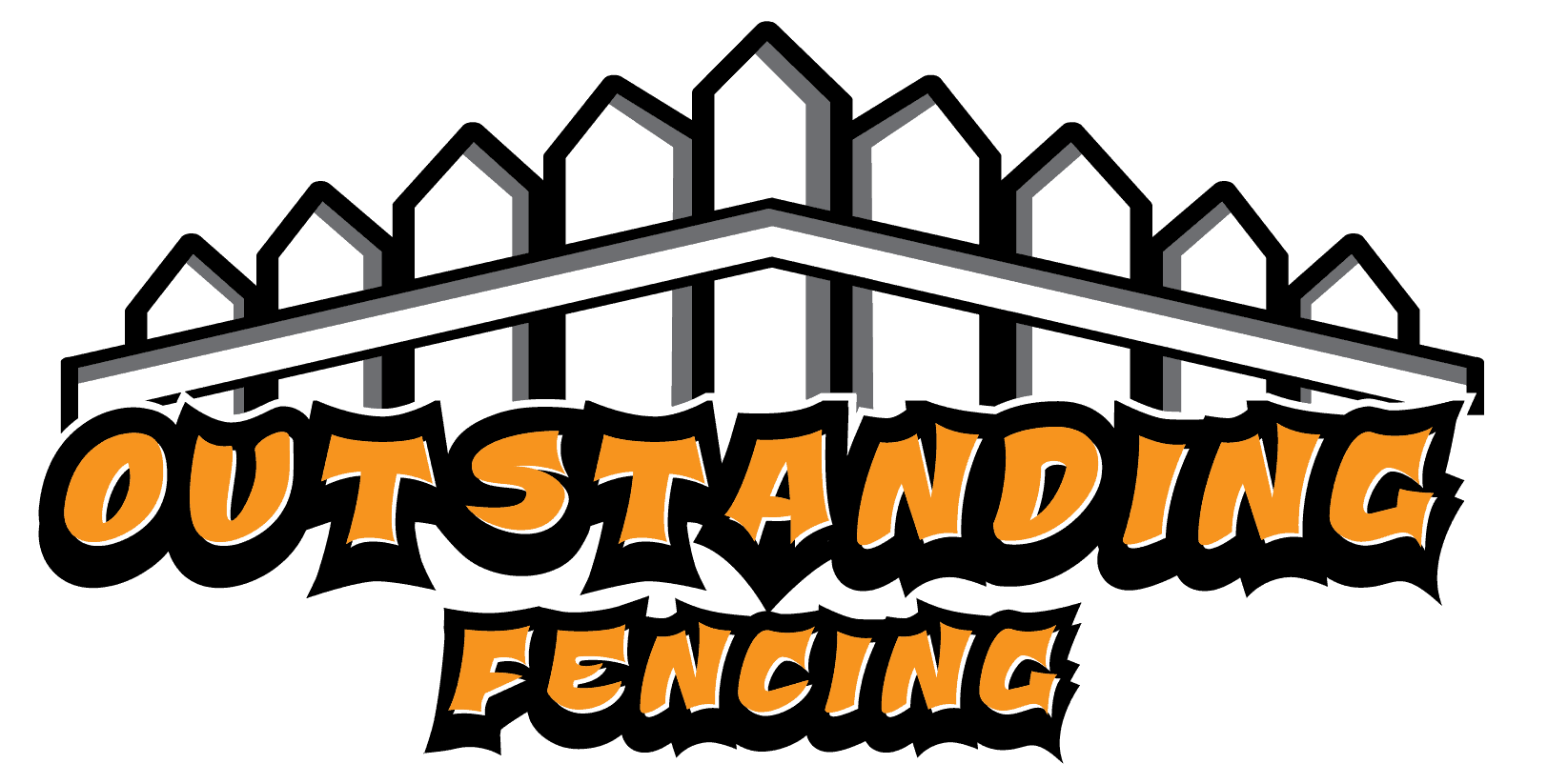
And after that there are maintenance upgrades, the unrecognized heroes. If you despise painting, you may change to materials and surfaces that stand up much longer under sun and wetness. That doesn't mean "no maintenance ever," however it can lower exactly how frequently you revisit the fence with a brush, stain, or substitute boards. Maintenance planning is where experience settles, due to the fact that the very best upgrade for one region can be the incorrect upgrade for another.
Common upgrade courses for existing homes
Existing fences normally fall under one of a few categories: panels are stopping working, posts are stopping working, the system is drooping, or the style is dated. Often you obtain a mix, and that's where a fence company gains its maintain by diagnosing what is in fact driving the visible problem.
Here are numerous upgrade directions that turn up time and again. Consider them as beginning points, not rigid categories.
- Panel replacement with architectural review: Swap worn sections while checking post stability and alignment.
- Post support or re-setting: Fix bowing by addressing loose or superficial messages, not just broken boards.
- Gate upgrade and hardware tuning: Change hinges, locks, and strike plates to bring back smooth closure.
- Height and privacy modifications: Include boards or select a new setup, accounting for wind exposure.
- Material and finish change: Change to low-maintenance alternatives or repaint and discolor refinished areas correctly.
The moment you relocate beyond "replace what's damaged," you start choosing that affect everything downstream. If you customize height, you may require to change rails and supporting. If you switch over products, you might need to change spacing and bolts so the new system behaves like the old one did, but stronger.
Measuring an existing fencing is like mapping a relocating shoreline
If you have actually ever before measured a fencing line on your own, you recognize just how rapidly things get odd. One edge isn't where it must be. An area leans a lot that the top rail looks degree while the lower rail is not. Your yard slopes discreetly sufficient that a "straight" dimension becomes a staircase of unequal gaps.
Professionals manage this by taking measurements at several factors and planning for exactly how the ground meets the fencing. There are two primary methods: tipping the fencing to follow the quality, or using an also top line with kick-up sections. The appropriate choice depends upon your yard slope, drainage demands, and the look you want from the street.
One property owner desired a flawlessly degree leading rail, even though the fence line crossed a gentle incline. The result can have been a fencing that looked odd on one side, with big spaces near the bottom. The far better remedy was to step the fencing slightly, maintaining the general style while preventing a "floating" fencing that would catch debris and make the fence line harder to keep clean.
Also, look for concealed restrictions. Some lawns have lawn sprinkler lines or lawn lighting tucked near the base of the fencing blog posts. If the fence company is re-setting messages, they require to know what is under the soil prior to they dig much deeper. A couple of added mins of finding energies can stop a costly "oops."
The foundation upgrades that stop future headaches
When a fence stops working, it typically stops working at the message. Boards divided, paint peels, rails fracture, and you can see those issues conveniently. Yet post failure is often the root cause, and it's the component you can not disregard if you want longevity.
Posts can fail because of shallow setting, irregular depth, inadequate water drainage around the openings, or rot around dirt contact. If your fencing line beings in clay or low spots where water sticks around, the message setting stays damp longer. In those situations, the upgrade might involve re-setting messages with a various technique to hole deepness and water drainage, not simply setting up new boards.
There's additionally the concern of spacing. Some fences were built with post spacing that might work for a brief run, once you struck longer spans, wind and sag rise. Reinforcement can entail including articles in details areas, updating rails, or including diagonal supporting where the fence experiences the highest lateral pressure, like at edges or entrance locations.
I have actually done site walks where the house owner concentrated on the middle section of a fence line because that's where they discovered the sag. The architectural issue, however, came from an edge article that had actually been wobbling for years. The pressure traveled down the rail system, and by the time it got to the middle, the fence had actually currently "discovered" a brand-new jagged form. Upgrading just the middle panel made the trouble come back faster.
Material options: updating for weather, not just taste
Existing homes commonly have a fencing style that matches an older design, perhaps wood pickets, chain web link, or plastic panels installed when that was the cleanest search in the area. Upgrading does not always mean transforming whatever. Occasionally the most effective course is to maintain the existing design but enhance the parts that matter most for the local conditions.
Wood can be stunning and daring in a natural way, however it requires respect for wetness and sunlight direct exposure. If you're updating a wood fence, the right strategy includes proper selection of boards, fasteners that are compatible with the material, and a surface strategy that fits your climate cycle. If you live where summers are relentless and wintertimes perspire, a coating that operates in completely dry environments might not stand up too. Also, the method boards overlap and exactly how water drops on top edge can make a significant difference.
Vinyl and composite options commonly attract property owners who desire less upkeep, but the upgrade needs to match truth on the ground. Vinyl can warp or end up being breakable under severe problems, and while credible systems are developed for sturdiness, installation still matters. Article positioning, rail fastening, and spacing all affect exactly how the fencing endures wind. A fence company that installs on a regular basis will treat installation information as part of efficiency, not busywork.
Metal fencings can be stylish and strong, yet they include their own set of worries, like finish top quality and how the fencing line handles growth and temperature level modifications. If you're updating an older metal area, you may require to change installing factors and hardware to ensure a limited fit with existing surfaces.
And then there's chain link. Many upgrades to chain link are really upgrades to personal privacy and entrance function. Adding slats or privacy mesh can transform wind actions, and transforming entrance equipment can drastically reduce drooping and misalignment.
Gates: the upgrade that decides whether the whole fencing really feels "completed"
A fencing upgrade is judged at eviction. That's where people discover if something sticks, scrapes, or doesn't latch cleanly. Yet there's additionally an architectural factor: a gateway concentrates stress and anxiety at the posts and joints. If you update panels without addressing entrance hardware, the fence can still feel unreliable, and the anxiety can slip right into nearby sections.
When an entrance begins dragging, there are usually a couple of reasons. The initial is hinge wear and alignment. The 2nd is a latch that no more lines up with the strike plate, commonly because the gate has actually sagged somewhat. The 3rd is a post motion that could be refined sufficient that you just observe it when eviction declines to close easily.
One homeowner informed me their gateway "simply needed new screws." They weren't incorrect, but the screws were stopping working due to the fact that eviction structure had actually shifted gradually. New screws held eviction momentarily, then the placement issue resumed and fasteners loosened again. The actual solution included re-aligning eviction messages and changing the hardware with components developed for eviction's weight and anticipated outside conditions.
If you're updating an existing fence line, it's clever to prepare the gate upgrade as part of the fence upgrade schedule. Do the gate late and you can wind up reinstalling areas twice, due to the fact that a gate's correct placement impacts close-by rails.
Permits, building lines, and the "do we in fact own that?" question
Even one of the most certain home owner can run into a shock below. Fencing placement can intersect with building line guidelines, setback demands, and easements. Some locations have height limits or certain requirements for edge lots. Others appreciate exactly how close a fencing can be to energies or right-of-way.
I'm not suggesting you take licenses lightly. I am claiming an excellent fence company ought to aid you navigate the regular useful actions, like validating dimensions and discussing placement prior to you get materials. At minimum, the firm needs to want to speak freely regarding where the fencing will be set up about your existing boundary line and any type of restrictions you currently recognize about.
On one project, the homeowner had an old fence that leaned inward towards them. They wished to "straighten it out" by moving the fencing line. As soon as dimensions were inspected against their taped residential property info and regional rules, it turned out that relocating the fencing can mean transforming what they were enabled to do. We readjusted the strategy to reinforce without moving the fence in a way that would certainly create conformity issues. The upgrade still functioned, yet it taught us the value of confirming first, not later.
Budget truth: upgrades can be phased, but not every little thing needs to be
A typical request is to upgrade "the most awful components first." That can be smart, particularly if your spending plan is limited. However fence has a system result. The best upgrades commonly attend to the tons path, implying the method forces travel through posts, rails, and gates.
If you replace the most visible panels yet leave failing blog posts in place, the replacement panels will certainly take the tension your old framework can no longer manage. They might look much better instantly and then weaken faster than anticipated. The upgrade still could be worth it if you plan a second phase quickly, but the timing matters.
A much better phased plan commonly appears like this in technique: address architectural failure initially in the sections that create the most activity, after that relocate to aesthetic or personal privacy enhancements. Think about it as maintaining your house prior to redesigning the kitchen area. You can do the fun stuff early if you want, yet do not let it cover a structural issue that will appear later.
Material swaps can also influence budgeting. Changing from one material type to another can call for different blog post plans and different rail systems. Sometimes the most affordable option is to match what you already have, but just if that existing system is still sound. If it's not, you'll pay twice.
Choosing a fence company for upgrades, not simply installs
When you're working with a fence company for existing-home upgrades, you're not just acquiring products and labor. You're getting diagnostics. A seasoned staff ought to be comfortable walking your home line, pointing to the root causes of failing, and discussing what they would certainly change and why.
Look for these attributes throughout your discussions. You do not require to interrogate anybody, just take note of how they respond.
First, do they talk about articles and gateway placement without you triggering them? Second, do they ask about soil conditions, drainage, and exactly how the fence has behaved after tornados? Third, do they show you just how they will gauge and set out the fencing line so the upgrade won't create uncomfortable spaces? Fourth, do they offer trade-offs plainly, like choosing between a steeper step-following grade line and a much more level yet gap-prone look.
If a company just talks about board design and neglects structure, you may be headed for repeated fixings. If they talk structure but can't connect the aesthetic outcome you want, you could still get an upgrade that practically functions yet feels wrong when you look out your window.
The right fence company should blend both.
A list of questions that actually help
You desire inquiries that uncover how the business believes, not concerns that make them recite sales brochures. Right here are a couple of that tend to separate strong upgrade job from guesswork.
- What components of the existing fence will certainly you maintain, and what components will certainly you reset or reinforce?
- How will you manage post deepness and drain in the areas that have leaned or sagged?
- Will eviction be updated as part of the structural plan, or as a different scope?
- How do you gauge for an existing fence line with slope and irregular grade?
- What maintenance should I expect for the particular materials and complete you recommend?
If you get the answer that specify and confident, you're most likely dealing with a business that does upgrades regularly. If you get unclear confidence or "it'll be great" declarations without information, consider it a warning sign.
Edge instances that make upgrades interesting
Fence upgrades aren't always a tidy swap. Some backyards throw curveballs.
One is tree roots. Roots can press versus articles or modify drain so water swimming pools at details points. If you see persisting wet places near the fencing line, presume there's even more taking place underground than you see above ground.
Another is lawn sprinkler lines and grading. If you have lawn sprinklers aimed near the base of fence messages, you can enhance moisture direct exposure and speed up rot, particularly in wood fences. Upgrading without readjusting watering is like setting up a new roofing system while the old leakage pattern is still active.
Some homes have difficult surface where water runs towards the fencing, then supports throughout hefty rain. In those instances, the upgrade may need reconsidering how the fencing user interfaces with landscape design. That can suggest small grading modifications, trimming vegetation that traps dampness, or adjusting drain courses so water does not remain right versus posts.
And occasionally the edge case is design. A home owner might wish to maintain the existing appearance yet improve privacy, which can suggest adding product to the behind or lowering spaces. The trade-off is air movement. A fence line that catches damp air can advertise mildew on nearby surface areas. A good upgrade balances privacy with ventilation.
The payoff you notice after the work is done
A fence upgrade is hardly ever remarkable in the moment. You may see the brand-new boards, the freshened posts, the clean gate equipment. However the genuine reward turns up after the next wind occasion and the following wet week.
The fencing should really feel strong when you lean on it. It must shut smoothly without compeling the latch. Bed rails ought to align rather than inching misplaced. After rainfall, you need to observe fewer dark patches on locations where dampness sticks around. With time, you'll most likely repaint less, tarnish much less, or replace fewer boards, depending on the material strategy.
One of my preferred end results is when the fence quits fighting the lawn. Instead of appearing like it's holding on by stubbornness, it starts analysis as willful, like it comes from the home's present character. Privacy comes to be easier because the gaps are right. The limit feels calmer. Also the yard really feels various, because you can hang around outside without continuously changing around a fence that does not behave.
Planning your upgrade like a task, not a panic
If your fencing is already falling short, the worst point you can do is hurry right into buying whatever you think will repair it. The next-worst point is to disregard the underlying problems due to the fact that you got sidetracked by appearances. The most effective upgrades mix functional framework enhancements with the style you want, and they do it with measurements that respect the real geometry of your property.
Here's the easiest way to think of it: identify what's damaged, determine why it's broken, after that pick upgrades that quit the reason, not just cover the symptom. A fence company with upgrade experience can assist you make those calls promptly without steamrolling your preferences.
If you do it right, the new fence stops being a problem you handle and becomes an attribute you cope with. And there's something silently satisfying concerning that. You spend as soon as, the fencing holds up through the periods, and your lawn lastly seems like it matches the life you're building in it.