
Landscape Contractors in Oklahoma City Reveal Smart Solutions for Easy-Care Lawns with Artificial Grass
Oklahoma yards stay green in spring, then summer heat pushes fescue and Bermuda to their limits. Between water restrictions, clay soils, and punishing UV, homeowners ask for lawns that look sharp without weekly chores. Artificial turf has moved from sports fields to front yards across Oklahoma City and Norman, OK, and with the right product and install method, it can deliver a good looking, low‑maintenance surface for years.
What works here, not just anywhere
The state’s freeze‑thaw cycles and reactive clay swell and shrink. That movement punishes sloppy base prep. Experienced landscape contractors in Oklahoma City build turf bases like they would a driveway: excavate 3 to 4 inches, compact in lifts, and use an open‑graded aggregate that drains. Skipping that step is how you get soft spots, ripples, and edges that lift.
UV is the other local villain. Bargain turf fades and grows brittle in two to three summers. Reputable landscaping companies in Oklahoma City specify yarns with UV inhibitors tested for at least 3,000 hours. That is the difference between deep green in year five and a chalky olive you regret every time you pull in the driveway.
Picking the right turf for real life
One size never fits all. For dogs, a shorter pile with a dense thatch layer and antimicrobial backing keeps cleanup fast and odors in check. For showcase front lawns, a 1.5 to 1.75 inch pile with multi‑tone blades looks natural from the sidewalk without matting. If you host backyard soccer, a hybrid approach works: softer landscape turf framed by a tighter, sport‑capable strip where the action happens. A good contractor will bring three to four samples, set them in the sun, and let you bend them, brush them, and test hose runoff.
Weight matters, but not in isolation. A 60 to 80 ounce face weight paired with the right infill stands tall and resists traffic. Go heavier and you may get a plush look that traps heat and requires more brushing. Go lighter and you save money up front but pay with early matting.
Heat, glare, and the window you forgot about
Summer turf can run 20 to 40 degrees hotter than natural grass. That is manageable with a few tricks. Trees and pergolas break up afternoon heat. Light, rounded silica sand reduces surface temperature better than rubber infill. Zeolite blends add odor control for pets. Watch for low‑E window glare, especially on south and west exposures. Reflected light can spike temperatures and even melt blades. We have solved this with exterior screens, anti‑glare film, or a well‑placed shrub, which doubles as a softer edge in the landscape design.
Drainage is the make‑or‑break detail
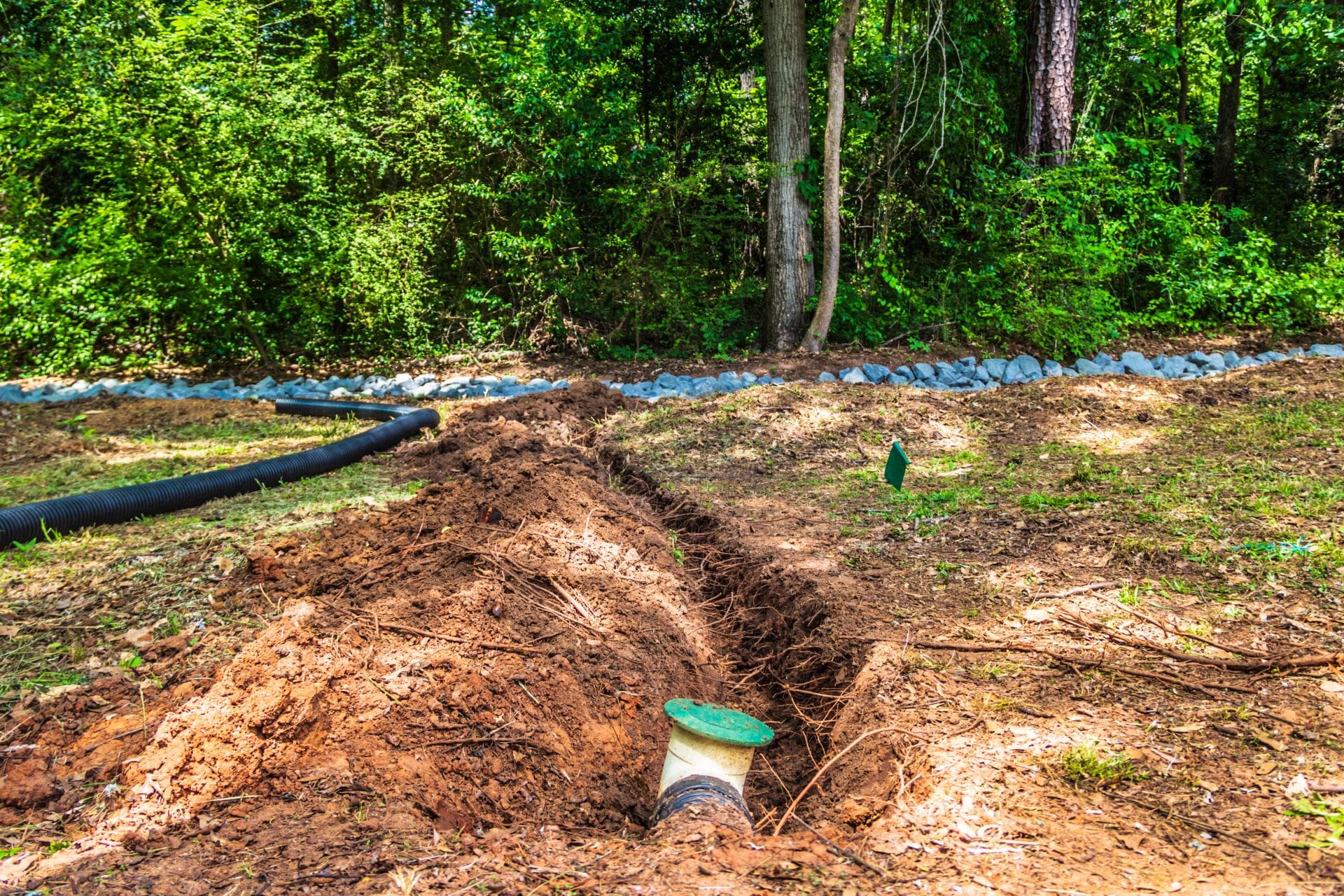
Most Oklahoma storms come hard and fast. Turf should pass water through the backing and out of the base quickly. Ask about perforation density and plan outflow to daylight or a French drain. In slower soils, contractors add a 2 percent cross‑slope you do not notice visually, but the water does. In shady areas where organic debris sits, a deodorizing enzyme rinse once a month keeps everything fresh.
Edges, seams, and the art of hiding the work
Seams telegraph when installers rush. The cleanest lines come from S‑cuts that break up the grain, seam tape with two‑part turf adhesive, and heavy rolling to set the bond. Perimeters need to be pinned and capped. We use galvanized spikes every 6 to 8 inches, then finish with steel or concrete edging for driveways, and pressure‑treated or composite bender board along beds. A tidy edge against mulch keeps the look upscale and the maintenance light.
Where artificial turf shines in a full landscape
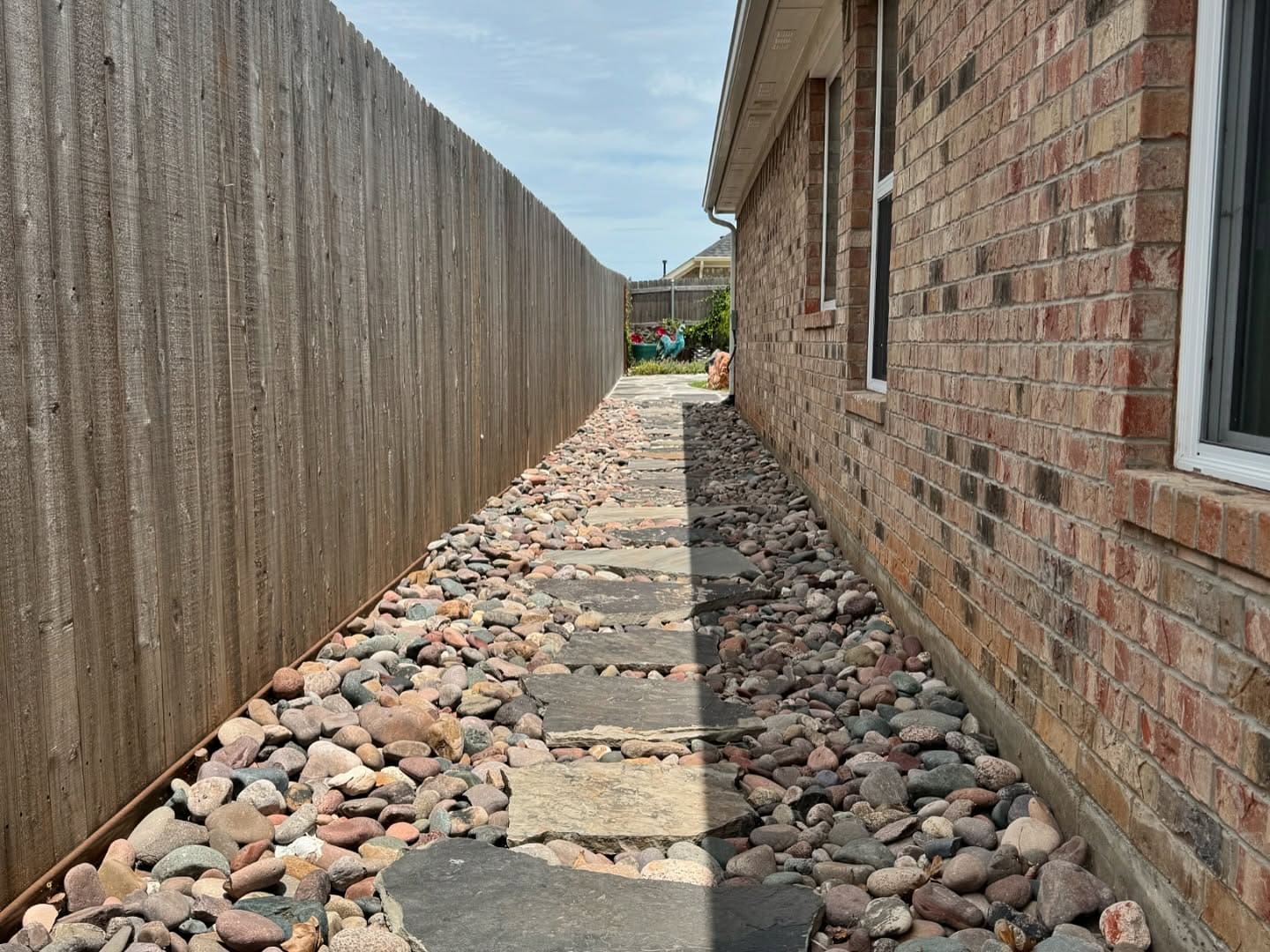
Artificial grass is rarely the whole story. It pairs well with xeric plantings, gravel bands, and large pavers. In modern landscape design ideas, we often float 24‑inch concrete steppers through turf to create rhythm and reduce heat load. In family yards, turf islands surrounded by native shrubs cut irrigation by half while keeping play space. For small Norman, OK courtyards, a turf rectangle with a cedar screen and two oversized pots turns a forgettable patch into a clean outdoor room.
Real numbers and maintenance you can live with
Expect installed pricing to land in the 12 to 20 dollars per square foot range for straightforward work. Curves, multiple seams, and drainage tie‑ins add cost. Water bills often drop 30 to 60 percent for clients replacing large irrigated lawns. Time savings are immediate: no mowing, edging, or fertilizer. Maintenance boils down to quarterly brushing, leaf blowing as needed, and pet treatment where applicable.
Here is a quick homeowner routine that keeps turf sharp without fuss:
- Blow or sweep debris weekly, then rinse lightly after dusty days.
- Brush high‑traffic lanes monthly to lift pile and redistribute infill.
- Spot treat pet areas with enzyme cleaner, and refresh zeolite annually.
- Inspect edges and seams each spring and fall, addressing any lift early.
- Top up infill every 2 to 3 years, especially on slopes and play lanes.
Choosing a contractor you will not second‑guess
Look for crews that self‑perform base and seam work, not just the visible finish. Ask to see a project that is at least two summers old. Verify the turf’s UV and heat ratings, and get a written scope for base depth, compaction, and drainage. If you are planning a broader landscape landscape design & install design & install, coordinate irrigation capping, lighting conduits, and bed Landscape contractors in Oklahoma City prep in one schedule. The most seamless results come from teams that handle both the lawn system and the surrounding landscaping, whether you live in Oklahoma City proper or just down I‑35 in Norman.
Artificial grass is not a silver bullet, but used thoughtfully, it solves real maintenance headaches and frees you to enjoy your yard. Installed with Oklahoma conditions in mind, it stays green, drains well, and fits naturally into both contemporary and classic landscape styles.