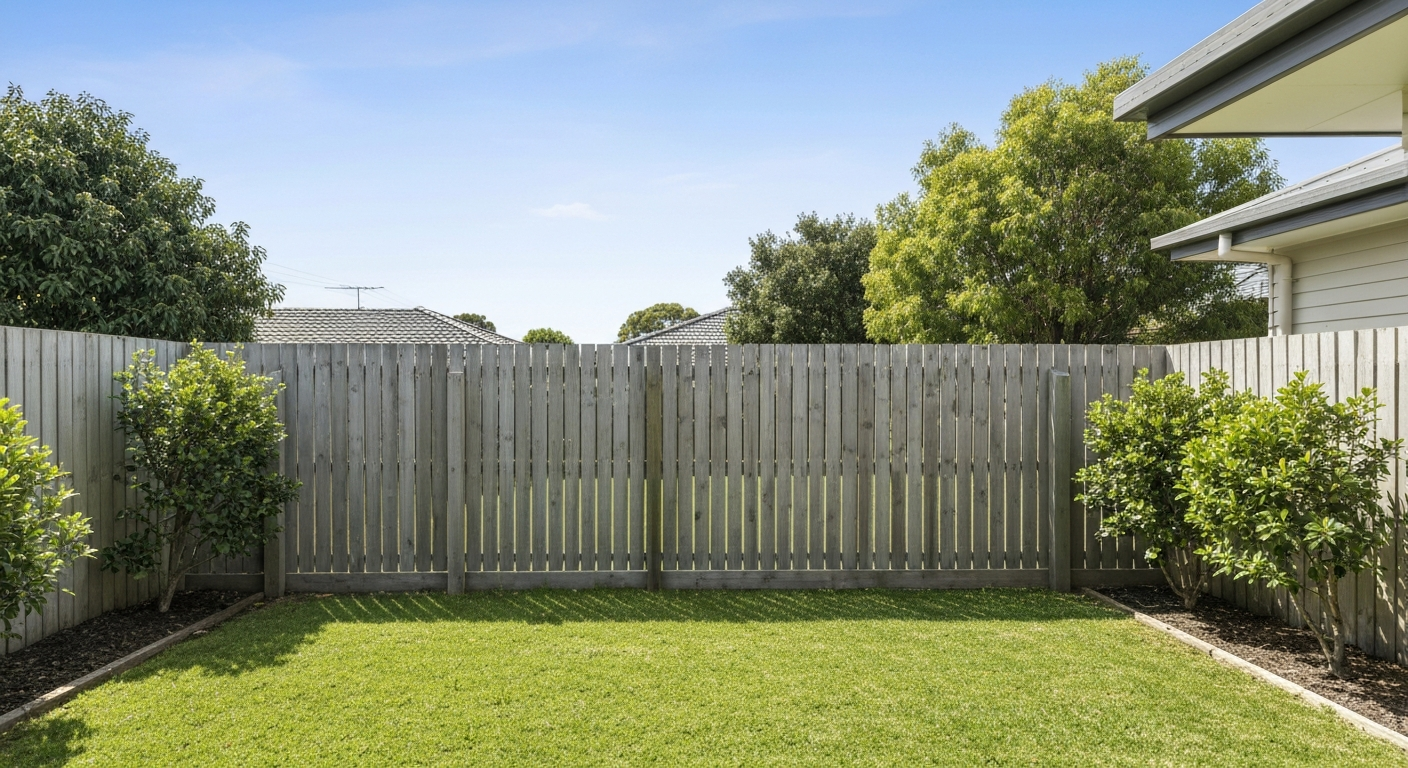
Site Prep: What to Get out of a Fence Company
A fencing looks straightforward from the street. You see lines, messages, rails, perhaps a cool entrance swing, and you presume the hardest component is choosing a design. Yet when the fence company shows up, the actual work begins prior to a solitary board obtains cut. Site preparation is where the job either goes smoothly or becomes a week of "we thought that would be simple."
If you desire a set up that feels great, consistent, and fairly paced, it aids to recognize what site prep includes, who is accountable for what, and what you need to anticipate from the fence company team once they get here. Below's the functional, real-world view I have actually gained from watching tasks advance at full speed and from dealing with the slow-motion disorder that occurs when ground facts stun everyone.
The fence company's first job is learning your site
Even before tools appeared, a solid fence company deals with the residential or commercial property like a map. They are trying to find points that influence layout, post depth, line-of-sight, and water drainage. That implies checking edges, determining distances, and verifying fence line placement with what was created. On lots of tasks, the crew shows up with a strategy however not blind faith.
You may have a study, or you might have risks that originated from an old boundary conflict resolution. Either way, the group needs to confirm that the line makes good sense on the ground. Trees and slopes uncommitted regarding illustrations. With time, fencings can lean due to the fact that dirt steps, roots push messages, and overflow patterns transform. Great staffs look for ideas like cleared up ground, soft spots, and areas where water stands after heavy rain.
I keep in mind one installment where the documentation showed a straight run, however the residential property had a minor "stubborn belly" in the middle. The fence line would certainly have looked fine theoretically, yet that dip would certainly have developed inconsistent leading rail elevation and a gate that wouldn't lock as cleanly. The crew flagged the concern early, measured once more, and readjusted the design. Nobody suches as adjustment orders, but that kind of change avoids the hideous version of the "after" photo.
Permits, strategies, and limit realities
Site preparation often includes confirming that the job is allowed and that the fence line appreciates neighborhood guidelines. Some areas have height limitations for front lawns, spacing requirements near easements, and specific regulations for materials. A fence company will typically guide you on what their procedure needs, however the exact duty depends on neighborhood allowing standards and what your contract covers.
Boundary problems are the various other huge one. If you have a current land survey, that aids a lot. If not, the fence company may ask you to validate corner pens, home lines, or existing border contracts. It prevails for next-door neighbors to disagree concerning where the line is, especially if there used to be a fence long ago that was developed without clear reference points.
When a team risks a line and you notice something that really feels "off," don't shrug it off. Ask questions right then. It's a lot easier to fix border uncertainty before messages get set than after concrete is involved.
An excellent fence company will certainly also speak about entrances and accessibility. If a gateway opens up toward a fence line edge, it changes the blog post positioning and occasionally the rail spacing. If you intend to park an automobile near a gate or swing large doors nearby, the team will certainly change the layout to stay clear of clearance issues later.
Utilities: the peaceful deal-breakers
If there's one part of prep that can make a knowledgeable crew relocation very carefully, it's hidden utilities. You're not simply excavating openings. You're getting in a world of power lines, wire, irrigation, and possibly gas or various other solutions. Hitting an utility can stop the work immediately and produce serious safety risk.
A fence company ought to coordinate utility finding through the proper process in your location. In many places, the criterion is to ask for a find prior to excavating. The locate marks are not "an idea," and they don't guarantee whatever is discovered completely. They reveal known or thought lines based on utility documents and area mapping. That suggests crews still dig with care and validate as they approach.
What you can do as the property owner to make this smoother is share any type of info you currently have. If you understand where a lawn sprinkler controller runs, where a cable line was just recently fixed, or where a buried downspout drains, tell the crew. These details can conserve time and stop near-misses.
Site problems that transform the entire job
The minute you step outside throughout preparation, you start seeing problems that affect every little thing from exactly how deep posts need to go to how the fence will certainly look when it's completed. Dirt type, incline, and water drainage are the huge three.
Clay soil can hold shape for a while, however it additionally heaves with moisture changes. Sandy dirt drains swiftly yet can be loose, especially if it has a lot of fill. Rocky dirt can slow down excavating and enhance the likelihood that a message requires to walk around stone as opposed to straight down.
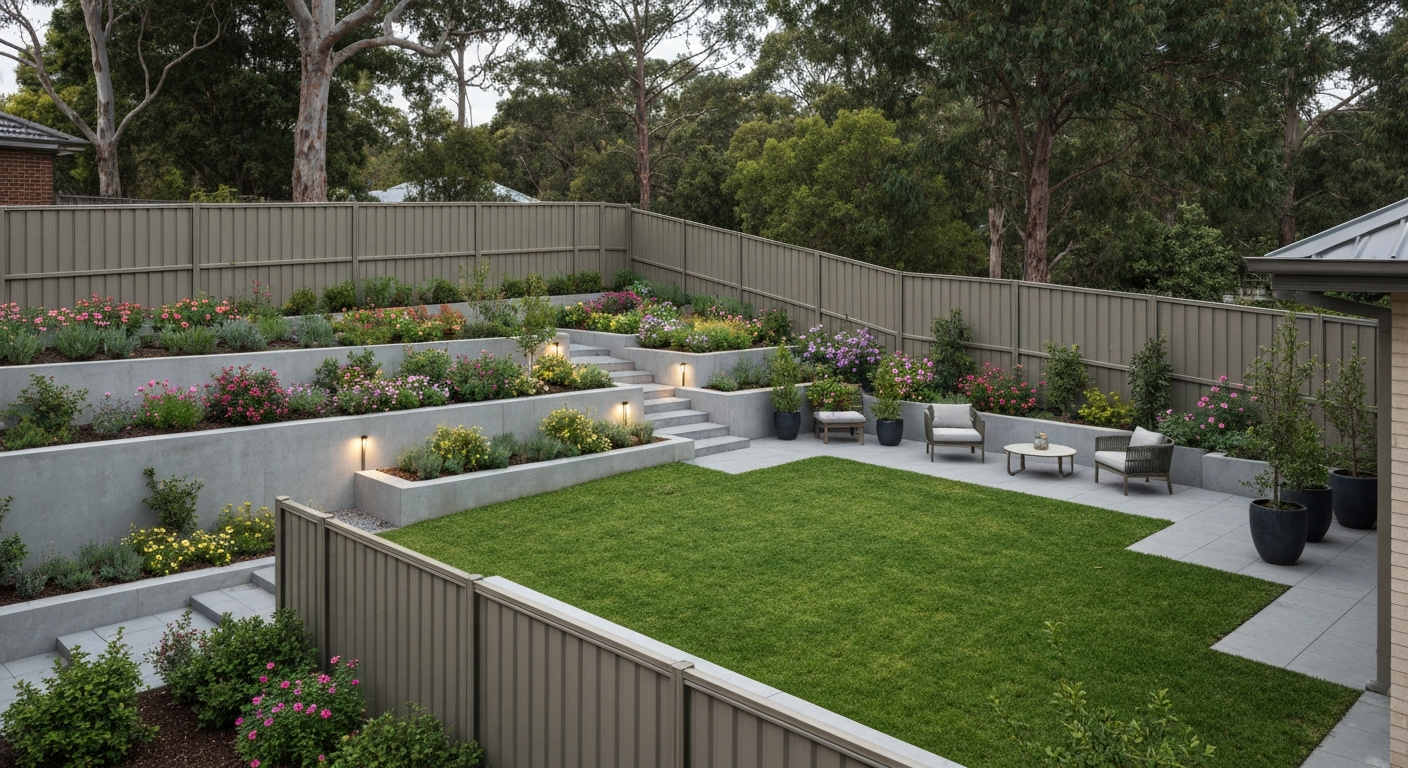
Then there's slope. A property that drops also a couple of feet over a brief run modifications your choices. Some fencings utilize step-down sections, while others utilize a sloped top rail design. Both can look excellent, but one generally calls for more preparation and in some cases various equipment to maintain the fence visually consistent.
Drainage issues in a much more subtle means. If water moves towards the fencing line, the dirt near articles can soften. If runoff is concentrated after tornados, posts may resolve erratically. A fence company that's focusing will certainly check out grading patterns and change. Occasionally that implies altering where the fencing line beings in connection to a low place, sometimes it means preparing for better post embedment, and sometimes it means suggesting a drain option if it's a persistent problem.
Clear gain access to and the "staff math"
Fence installs are labor-intensive, and preparation isn't practically excavating. It's likewise regarding hosting products, relocating equipment, and getting individuals where they need to be without damaging lawns or landscaping.
If you have a narrow side backyard, the fence company may require to haul products much longer ranges. If you have lawn sprinkler lines that run near where equipment would typically travel, they could restrict devices movement and button to hand methods in delicate areas. Trees and shrubs can additionally shape how the crew works. If the task is near a fully grown tree, the business might avoid trenching around origins and adjust message placement accordingly.
Expect the fence company to ask about gain access to factors: where the vehicle can park, where products can be staged, whether gateways or fencings restrict movement, and exactly how close they can bring devices to the work zone. It seems fundamental, however a couple of selections early can prevent hours of carrying and rearranging later.
If you desire the work to feel "adventurous" in a good way, indicating quick and energised, deal with gain access to like component of the schedule, not a second thought. Clear the course. If you have tubes, sprinklers, pavers, or garden beds along the fencing line, move what you can, and allow the fence company recognize what you 'd prefer them not to disturb.
Protecting landscaping and planning for mess
A fencing job will produce disruptions. Foot traffic compacts soil. Article openings and concrete produce spin. Even when the staff bewares, the work area requires to recover.
A fence company that appreciates your residential or commercial property will prepare for security. That could consist of putting down temporary coverings in certain areas, functioning from developed paths, and utilizing controlled devices where called for. They need to likewise prepare for particles elimination, since fencing products do not amazingly disappear.
As a home owner, your role is partly interaction. Inform them where your watering heads lie, where delicate plants sit, and what areas you think about off-limits. If there's a blossom bed you want preserved, request for a method that restricts interruption. You may not obtain "no impact," however you can often discuss "less influence."
One work I watched delayed because the team kept hitting a hidden lawn sprinkler line every time they tried to dig from a certain angle. They readjusted their technique after a quick conversation, and the second day went efficiently. That's just how website prep become momentum, not frustration.
How fencings obtain laid out: stakes, measurements, and adjustments
Before the team starts establishing articles, they typically outlined the line. You may see risks, string lines, and noting paint. This is where you confirm the layout, see the alignment, and discover anything that looks strange.
This phase is frequently extra interactive than people anticipate. If you have corners, a contour, or an entrance area, your input assists. Even if you rely on the plan, you intend to verify that the fence line matches your assumptions. A fence can be perfectly "accurate" and still not match what you desired visually.
If you're constructing near a pathway, a patio, or a driveway apron, tiny offsets can have huge repercussions. One-inch decisions can produce gaps where panels fulfill, awkward rail changes, or gateway clearance troubles. The fence company must clarify why they're positioning posts where they're positioning them, and you ought to really feel comfortable requesting clarification.
Here's what I advise during layout: stroll the line gradually, try to find sightlines, and examine that the fence will not slice with something you appreciate. If you have a certain sight you such as, like framing a yard tree or lining up with a corner you can see from inside your house, claim it. The staff can commonly integrate that sort of preference while the job is still flexible.
The realistic series of prep to installation
Every fence company has its own operations, however the general arc is pretty regular. You can think about it as a channel: broad choices initially, after that gradually tighter details.
The fence company begins with dimension and design. Next comes utility sychronisation and noting. Then the crew prepares the ground, which can include clearing plants, getting rid of old fence materials, and often addressing existing concrete or buried challenges. Afterwards, article holes obtain excavated, and posts get set with the proper method for dirt and fence kind. Once blog posts are stable, rails and panels take place, and then entrances are changed last because they need the most "fine tuning" in the field.
You may likewise need to deal with product staging and timing choices, especially if you're waiting on authorizations or if the shipment gets here in partial tons. If your task consists of elimination of old fence, the order modifications somewhat, since demolition prep consists of disposal logistics.
The most typical factor fences feel postponed is not an absence of effort. It's waiting on one item of the channel, typically energies, allow confirmation, or a postponed product arrival. If you recognize those bottlenecks, you can maintain your assumptions aligned.
What you should do before the crew arrives
You don't require to come to be a service provider, however a little homeowner preparation aids the fence company do their finest work. The goal is to decrease surprises and quicken the first day.
- Confirm the fence line and gate area with any kind of markings you have, including survey or formerly laid factors
- Clear gain access to along the job area and relocate tiny barriers like planters, patio area style, and hoses
- Tell the fence company regarding sprinkler zones, drainage courses, or any type of known buried utilities
- Let them recognize which areas must remain untouched, specifically yard beds and grass borders
- Have a point of call offered, also quickly, for quick decisions throughout format day
If you have actually currently scheduled a day when you'll be home, that matters. You do not have to float, but being available for 1 or 2 critical moments can stop rework.
Materials, grading, and why "level" is a difficult word
One of the most regular misunderstandings I listen to is about leveling. Homeowners typically state they desire the fencing "level." A fence company could develop with blog posts that are set to adhere to grade, since it's more architectural and it looks much better on unequal ground. In numerous installations, the fencing top rail will certainly step somewhat to adhere to the incline. That is normal, and it's not a failure to be level.
What's important is uniformity. If the fence makes use of a step design, the actions ought to show up deliberate and equally spaced. If the fencing complies with terrain, panel placement need to be consistent from run to run. This is partially workmanship and partially the truth of ground conditions.
In rough areas, the staff might need to set a blog post slightly greater or lower since it can't be drilled directly down. Instead of requiring the blog post right into a place that creates instability, the better teams adjust and keep whatever straightened with the total visual plan.
This is where you might see the fence company recommend small changes during the develop. Those modifications commonly originate from experience, not from indecision. Pay attention to the reasoning and ask for an example of what "changed" resembles on an examination section.
Safety and process during installation
Fence job is physical and busy. A common staff will have multiple tasks happening at the same time, but security has to be consistent. That includes marking the dig zone, taking care of devices, and keeping concrete handling managed. If you have youngsters or family pets, make certain the work area is not a surprise play area.
You should also anticipate some degree of noise and dirt, depending on whether the company drills, augers, or utilizes mechanical excavation. If you're delicate to noise, ask about the schedule and work hours beforehand. Some companies can be flexible with very early beginning times, while others are constricted by delivery windows and team availability.
A fence company that runs well will interact. They'll inform you what they're doing next, what products are getting here, and what they require from you. When that interaction is missing, it's generally when tasks drag. Not constantly, yet often.
Dealing with surprises: the truthful version
Even with excellent website preparation, shocks take place. A buried rock wall section might show up where you really did not expect it. A post location may fall on a root cluster that would certainly jeopardize stability. An entrance might require rework due to the fact that the ground under the lock area clears up slightly once the article is established and the fencing fully loads.
The method the fence company handles surprises is an essential indicator of top quality. The best groups do not pretend issues are fictional. They explain what's taking place, describe the alternatives, and choose the method that protects architectural honesty and the intended look.
If something transforms the price, extent, or timeline, you ought to get clarity early. Ask how the change affects the task. Ask what it does to appearance and toughness. If they can reveal you the trade-off in genuine terms, it's less complicated to trust the decision.
This is likewise where having your own assumptions assists. If you desire a completely consistent appearance also in rocky dirt, you could need to accept an extra customized format. If you focus on cost and speed, the firm might make more conventional positioning options. Neither strategy is "incorrect." They just result in different outcomes.
Questions worth asking your fencing company
You can decrease complication by asking the right things at the right moment. Throughout prep and layout, you want solutions connected directly to your website, not generic promises.
- How will you verify the fencing line and limits prior to articles are established?
- What is your approach for sloped ground, and what will "level" indicate for this project?
- How do you deal with energies and what should I anticipate to see from situate markings?
- What does upload establishing look like in my dirt kind, and what's the plan if you hit rock or origins?
- What is your cleanup and particles elimination process at the end of daily and at completion?
Good solutions audio functional. Obscure answers seem like they were copied from a brochure. Count on the functional details.
After the install: what site prep resemble when it's "done"
People often think website prep ends when messages are set and panels go up. The genuine end of prep is restoring order. That consists of removing leftover risks, collecting particles, and making sure gateway operation is smooth.
You ought to additionally take notice of exactly how the ground is left. If concrete was used, the location might need settling time. If the soil was disrupted, it may require regrading or reseeding relying on exactly how the firm managed topsoil. Some companies provide limited repair, like raking and seed, while others focus purely on setup and anticipate the property owner to take care of landscape design repair service. Your agreement should clarify expectations.
Also watch on drainage. Fencing lines can change just how water behaves, particularly if old grading was disturbed or if an earlier fencing had actually rerouted runoff. If you notice water pooling near a new post run, mention it. A fast adjustment or referral could avoid long-term concerns like leaning or unequal panel tension.
What a solid website prep procedure feels like
An excellent fence company prep experience has a specific rhythm. You see dimensions and design occur with objective, utilities noted prior to digging, and the team interacting what they need and what choices they're making. The work feels supervised, not improvised.
When prep is done well, installation does not feel like a wager. It feels like a sequence of positive actions. You're not thinking why something transformed. You're not shocked by missed responsibilities. And you're more likely to wind up with a fencing that looks right, works right, and stands up through weather.
If you take one point from all of this, let it be this: site prep is not "extra time." It's the foundation of the result. Treat it like part of the experience, not a hold-up, and your fencing project will certainly really feel smoother from the very first stake to the last entrance adjustment.