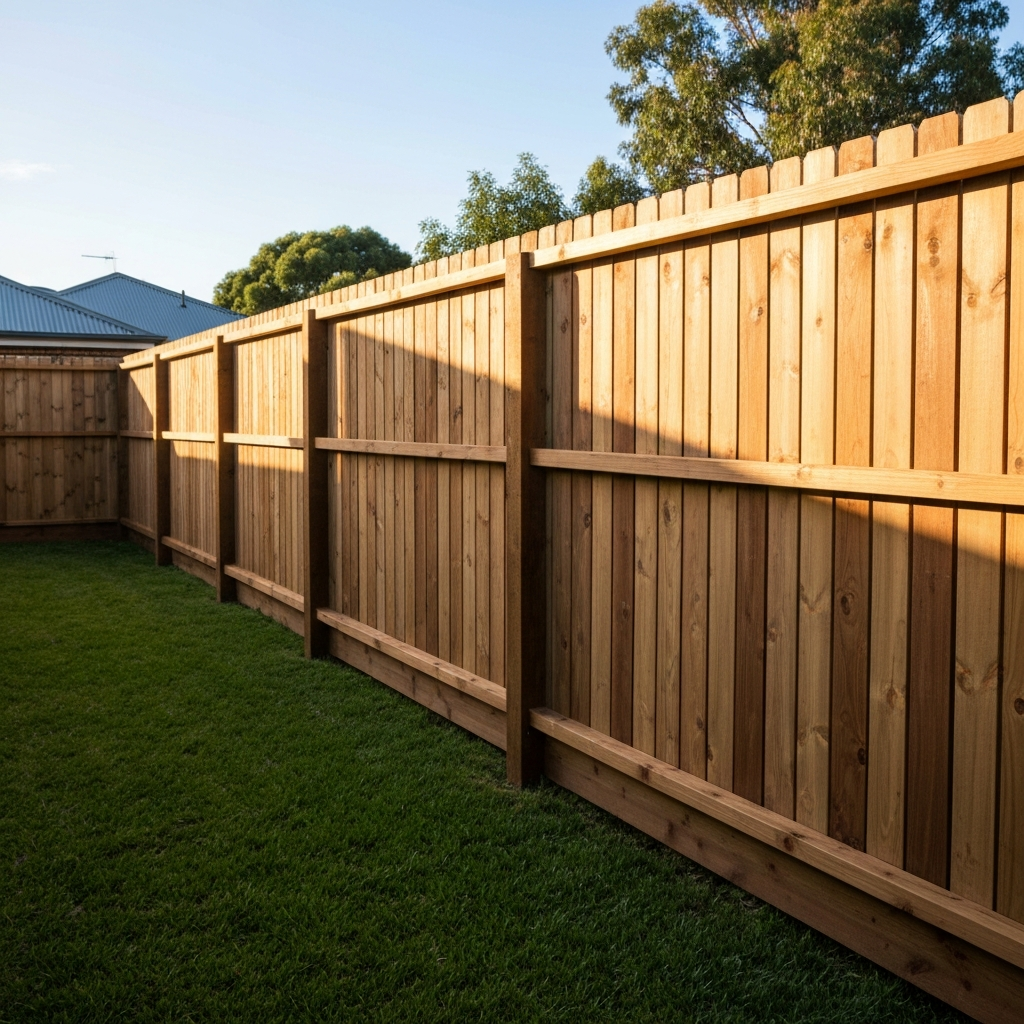
Fence Installer Tips for Frost Lines and Cold Climates
When you set blog posts where winter season has genuine teeth, the ground is not dirt, it is a machine that pries, raises, and twists anything you put in it. That equipment is frost. A good fence installer finds out just how frost assumes, exactly how water relocations, and just how each part behaves under snow tons and spring thaw. The job is a lot more exploration than duty. Select your line, choose the right gear, and move with intent.
What frost does to fences
Frost heave is not a misconception or a small trouble. As water in the dirt freezes, it develops ice lenses that expand and jack anything shallow toward the surface. If your posts do not reach listed below the frost line, your fence will certainly rise, turn, and walk itself out of square. In clay, the training can surpass several inches in a single winter months. Sandy, well drained soil heaves less, but even there, entraped water around a smooth concrete pier will certainly bond the frost to your footing and draw it up like a piston.
In northern Minnesota and much of Canada, frost depth runs 48 to 60 inches. Across the Dakotas and New England, 36 to 60 inches prevails. Even in mid-Atlantic areas, you can see 24 to 36 inches. Farther south, frost can be a foot or less, however cold wave accumulate gradually. When a Fencing Contractor shrugs off frost deepness, repair work come to be a springtime tradition. When done right, articles stay for decades.
The summary is basic. Get below energetic frost, break the bond in between footing and surrounding dirt, and provide water an area to go. The remainder is details that divide solid craft from a costly guess.
Reading your site like a pro
The first time I set up a fence on a lakefront building with a hardpan layer at 30 inches, we struck rejection on the auger, after that water permeated in and transformed the hole to soup. The service was not brute force. We expanded the top, developed weep courses, and belled the base below the hardpan with a clay spade and an excavating bar. That fencing is still plumb fifteen wintertimes later.
Walk the line before you touch a device. Keep in mind slope, downspouts, sump pump outlets, and the snow drift pattern. Snow that drifts 6 feet never completely thaws in very early springtime, so those messages sit in chilly, saturated ground the lengthiest. Seek car tracks where a plow financial institutions snow. That compacted strip can freeze deeper.
Know your soil. Clay holds water and heaves. Silt is sneaky, in some cases draining on the surface while remaining saturated listed below. Sand drains quickly but sloughs when excavated. Fill up near new builds can hide portions of concrete and building and construction particles. A skilled fencing installer lugs a floor tile probe. In five mins of probing you can feel shifts and draw up where you might require to adjust spacing or approach.
Utilities are not optional facts. Ask for locates, then confirm with your probe and a shovel as you go. Gas solution lines roam. Satellite and fiber are commonly shallow. A Fence Company with a pristine safety document earns references without asking.
Frost lines, footing forms, and why geometry wins
Depth is essential however not adequate. The shape of your ground and the interface with bordering dirt make an enormous difference. A straight, smooth, slim pier is a deal with for frost. A belled base, in some cases called an upside down mushroom, withstands uplift. The bell does two points: it includes birthing area much below frost and damages the upright seam where ice lenses like to grab.
In heave-prone soils, I such as to bell the bottom to about 1.5 to 2 times the diameter of the top opening. For a 6 to 8 inch shaft, open the base to 12 to 14 inches if the ground allows. In tight clay, I bell with a spoon and a bar. In sand, I shore the sides with a short section of sonotube to maintain it from breaking down while we put concrete.
The interface likewise matters. If you pour concrete to the surface area and trowel it smooth to quality, you invite frost bond. In a lot of cold sites, I stop the concrete 2 to 4 inches listed below quality and cap with compressed tidy crushed rock. That cap drains pipes, drops bond, and allows you disguise the footing line with soil or compost later.
Gravel, concrete, or hybrid: picking the best support
Fence Professionals argue regarding crushed rock established versus concrete collection messages. The truth is not either-or. It is fit-for-purpose.
-
A crushed rock embeded in tidy, angular stone, well compressed in 6 to 8 inch lifts, drains magnificently and lets the article step a little without damages. In coarse, well drained pipes soils and for lighter fences, a deep gravel established below frost can exceed a tiny, smooth concrete pier that bonds to ice.
-
A concrete set, if appropriately formed and separated with a crushed rock collar near quality, carries hefty tons, stands up to wind, and quits rotation on gate articles. It is my default for high privacy panels, ornamental steel, and anywhere wind exposure or gate weight is high.
-
A crossbreed works for several cold-climate builds. I bell the base with concrete for uplift resistance, then switch over to compacted rock over the bell to decrease frost bond and to speed water drainage. The rock above the bell likewise makes future replacement less of a demolition project.
If you make use of concrete, prefer a 4,000 psi combine with 5 to 7 percent air entrainment for freeze-thaw sturdiness. In winter, warm the mix water and keep the downturn moderate, generally near a 4 to 5. Stay clear of calcium chloride accelerators with galvanized or light weight aluminum articles and hardware. If you need to increase in near-freezing weather, use a non-chloride admixture and prolong treatment times.
The wintertime mount window
Most Fencing Contractors like shoulder periods. You obtain practical soil, modest remedy times, and crews can move fast. Yet winter months mounts happen, and you can do well if you regulate what you can and value what you cannot.
Frozen crust is not real problem. The difficulty is subfreezing air burglarizing warm from treating concrete and the way frost lenses rebuild faster than you can backfill. I camping tent post holes with reinforced poly, lay down protected coverings, and routine opening boring and setup in tight sequence. In a snap freeze, I have actually used heated water in the concrete, maintained aggregates covered, and presented articles indoors so steel is not at 10 degrees when it satisfies fresh mix.
When the frost is deep, thawing the leading foot with a ground heating system or a diesel frost fighter can keep manufacturing moving. Cut the opening with the crust, then allow the auger do its task. In extreme chilly, a dry set or gravel collection can make more sense, given you are below frost and the fencing design permits it. You can constantly grout the bell later in a warm spell.
Posts, materials, and how they behave in the cold
Wood relocations with wetness. Metal moves with temperature level. Plastic steps with both, and it becomes fragile in deep cold. Composite rails can creep under lots. A fencing installer who has actually seen January winds shear screws discovers quickly what works in their zip code.
Pressure-treated pine messages are common because they are cost effective. They require real therapy, not a surface dip. Ground contact rated lumber, usually labeled UC4A or greater, is the minimum. End securing the cut tops issues. Water gets in end grain and rides checks deep. I brush on an oil-based end sealant the minute I cut.
Cedar is lovely and secure, however in consistent damp dirt it deteriorates sooner than dealt with yearn. Use cedar rails and pickets over quality, dealt with yearn or steel for blog posts. For barns that match cedar, I often sleeve a cured message in a cedar cover so the look is consistent yet the core fights decay.
Galvanized steel messages are a workhorse in cold environments. Hot-dip galvanizing stands up to salt and roadway spray better than electro-galv. For ornamental steel fences, select a system with zinc-rich primer and powder coat. Where I expect continuous wetness and de-icer direct exposure, I spec stainless equipment, not simply layered screws.
Vinyl can perform if you choose a top quality formulation with UV preventions and appropriate wall thickness. In significant cool, stay clear of limited press fits. Leave expansion joints and established stringers so panels can float. Drive screws by hand at the end to avoid splitting. A Fence Company that sells plastic should have a winter months spec, not a one-size-fits-all cut sheet.
Aluminum is light, clean to mount, and unsusceptible to rust, yet it has a high coefficient of thermal growth. Lengthy panel runs require movement joints. Do not clamp an aluminum rail strictly in between 2 unmovable articles in January and expect it to behave in July.
Gates are your anxiety test
Every pressure in a fencing multiplies at a gate. Wind pressure, individuals leaning, frost knocking the hinge message a hair out of plumb - it all programs at the latch.

Set joint and latch blog posts deeper and bigger than line messages. If line posts go to 36 to 42 inches below frost in transitional areas, entrance messages go 6 to 12 inches deeper with a belled base. I such as to angle the bell slightly under the hinge message towards the gate swing, which resists the subtle torsion that years of opening and closing create.
Use heavy, flexible joints. In cool regions, I prefer through-bolted strap or barrel hinges with grease fittings. Screws alone in end grain will certainly not hold a gate stable for 10 winters. Lock equipment has to be handwear cover friendly. Youngsters in parkas do not finesse tiny thumb latches in February. For double gates, a cane bolt with an appropriate receiver into a gravel-filled sleeve is necessary, or else springtime thaw will certainly trap the screw in an icy mud socket.
Leave clearance. A 12-foot farm gateway requires a minimum of a full inch of swing clearance near the bottom over final grade, more if snow deepness is regular. For privacy gateways, examine that your snowblower course does not load a berm right where the gate swings.
Draining water beats combating ice
Water administration is the silent champ of long-lived fencings. I run the quality away from each blog post for the last foot, also if the lawn generally slopes the various other direction. That micro-slope moves meltwater off the blog post and ground. Where downspouts discharge near a fencing line, I include extensions or underground leaders to maintain focused circulation off the posts.
In heavy clay I develop French drains pipes at challenging reduced spots, also if it is just a narrow trench with washed stone that ties right into a swale. Fence Contractors who treat drain as a separate profession get burned. Fence lines cut throughout micro-watersheds. Regard that, and your spring solution calls shrink.
Layout that respects movement
Set your line directly, but develop with minor mercy. I run a string line high and limited, then utilize batter boards and offsets so I can maintain the referral even if a blog post opening needs to move a couple of inches to stay clear of a rock. Frost seldom relocates a fencing evenly. Small adaptability in braces and rail links allows the system take a breath and return, as opposed to breaking a weak joint.
I like to stagger splices and avoid lining up joints throughout surrounding rails. That evens out seasonal activity. On long, flat runs, crown the top line delicately to match the surface rather than requiring a dead-level top that will telegram any kind of seasonal lift. A fence that follows the land with purpose ages with grace.
Regional frost midsts and what they suggest for you
Frost lines are not a guess. Municipal building divisions release regular depths, and a regional Fencing company will recognize the outliers. Still, jobsite microclimates can grow or shallow frost by numerous inches.
-
Upper Midwest and indoor Northeast: plan for 48 to 60 inches. Go 6 to 12 inches below the released frost line for gateway and edge posts.
-
Coastal New England: 36 to 48 inches, but wind and salt demand durable hardware and coatings.
-
Mid-Atlantic and inland Northwest valleys: 24 to 36 inches. Shaded north inclines freeze much deeper than bright south exposures. Change deepness accordingly.
-
High levels and mountain communities: wildly variable. Snow cover protects ground. Bare, wind-scoured sites can ice up deeper than the map suggests.
-
Transition states and upland South: 12 to 24 inches in the majority of winters months. Polar dips can push that deeper for brief jobs. A conventional installer remains beneath the worst-case norm.
These are beginning points, not absolutes. When a Fencing Specialist quotes a job, they must keep in mind depth assumptions on the proposal. If a customer stops at much deeper holes since a neighbor "only went 2 feet," help them compare fixing costs over a decade.
Hardware, bolts, and small selections that pay off
If you build in chilly, choose equipment like you imply it. Hot-dip galvanized carriage screws last longer than zinc-plated screws. Structural exterior screws with polymer finishings, sized correctly, beat drywall screws wrongly used outdoors. Usage ACQ-compatible equipment with cured lumber to avoid galvanic rust. Torx heads slide less in bitter cold when you are gloved and rushing before the next squall.
I predrill near sides, especially in cedar and composite, and I withdraw chauffeur clutches to avoid splitting in reduced temperature levels. Where 2 dissimilar metals satisfy, isolate with a nylon washer or a layer of guide. Those little layers slow deterioration that shows up as touches on an or else crisp fence.
When to call a specialist
Some sites just need hefty package and specific niche knowledge. If you are going across a drain easement, drilling into ledge, or hanging twelve-foot gates for a business backyard that sees rake strikes and forklift bumps, bring in Fence Contractors with the right tools. A Fencing Contractor who possesses a skid steer with a global auger, has rock bits on the truck, and maintains protecting coverings in the trailer will certainly finish in days what others wrestle with for weeks.
Reputable firms are happy to discuss their frost approach. Ask exactly how they shape footings, what deepness they target for your area, and how they take care of drain. A Fence Company that chats confidently about frost lines has put fencings through winters months, not just summers.
A useful preparation checklist for cold-climate fence projects
- Verify regional frost depth, after that set an internal target a minimum of 6 inches deeper for end, corner, and gate posts.
- Map water drainage, snow storage zones, and color patterns along the fencing line.
- Choose footing style article by message: gravel set, concrete bell, or hybrid, with air-entrained concrete if used.
- Select products and equipment ranked for freeze-thaw and de-icer exposure, with ACQ compatibility where needed.
- Schedule work to secure curing and backfill in chilly, utilizing blankets, tenting, or heated water as conditions demand.
Field technique: setting a cold-climate article that stays put
- Drill to full deepness below frost, after that bell the base with a spoon and bar if soil allows.
- Drop 4 to 6 inches of tidy crushed rock into the bell for a drain sump and tamp.
- Set the article, support it plumb, and area air-entrained concrete in lifts to just below quality, rodding to eliminate voids.
- Backfill the leading 2 to 4 inches with compacted crushed rock to damage frost bond and lost water.
- Crown surface grade away from the blog post, then secure fresh work with insulated coverings if temperature levels dip.
Stories from the line
On a wind farm solution road in North Dakota, our team faced a week where highs never broke 10 degrees. We pierced via 8 inches of frost with a carbide little bit and struck loam below that seemed like a gift. We presented twenty openings under coverings, then functioned a turning: excavate, bell, gravel sump, set post, concrete to two inches below quality, gravel cap, covering back on. We mixed with warmed water and used a non-chloride accelerator. Treatments took days, not hours, yet 3 winter seasons later on, a property surveyor's tape showed less than a quarter inch of variance from plumb. The website supervisor stated it was the only fence on the property without a lean.
On a lakeside rental in Vermont, the customer wanted a plastic privacy run for hot tub screening. We alerted them about fragile vinyl in February and arranged for late March. We established steel messages deep with belled bases in January under camping tents, left them topped, then returned in springtime to sleeve and hang panels. The two-phase plan prevented cold-crack danger while securing below frost throughout an icy week that really assisted us maintain excavations stable.
Both work highlight a simple concept. Cold environment fences reward patience, preparation, and regard for water. The job feels like hill travel. You see the climate, you lug the ideal layers, and you relocate with function when the home window opens.
Maintenance and the lengthy view
Even best installs require a little attention. Stroll your fence each spring. Nudge a blog post that looks off and you may find the ground cleared up, not heaved, specifically after a freeze-thaw roller coaster. Tighten up joint bolts, touch up scrapes on galvanized surfaces with a zinc-rich primer, and clear compost from piling against pickets and articles. Keep soil and mulch a couple inches listed below timber elements where feasible. That small air gap dries points out.
If you do see heave, resist the urge to hammer an article down in March. Wait on the thaw. Numerous posts relax to their seat when ice lenses melt. If a post stays high, it likely never gotten to below frost, or the hole caught water versus a smooth shaft. Because instance, dig it out in the warm season, bell the base, include a gravel collar near grade, and reset.
Budgeting the ideal way
Going to frost depth and shaping grounds include cost. On a regular 150-foot personal privacy fencing with twelve to fifteen significant blog posts, the difference between a shallow pour and a belled base listed below frost can add a few hundred to over a thousand bucks in products and time. Compare that to a solution call every second spring to reset entrances and straighten runs. Over a years, the robust technique wins on both price and sanity.
Honest Fence Contractors cost clear deepness, footing form, and hardware specs. When you review proposals, make certain you are comparing like with like. The lowest number commonly hides shallow holes and little grounds that look neat on the first day and tilt by the second winter months. A Fencing company that details frost strategy in composing is treating your yard like their track record depends on it, which it does.
Final ideas from the frozen trench
Cold environment fencings are not fragile if you develop them for the ground they reside in. Assume in 3 dimensions. Battle uplift with depth and a bell. Loss frost bond with gravel collars and drain. Choose materials that disregard damp, wind, and salt. Overbuild gateway messages. Work with the weather condition as opposed to versus it.
I have established messages while lake result snow sewed laterally and I have returned in April to see those exact same articles standing straight as rifle barrels. The distinction was not luck. It was respect for frost lines, an eye for water, and the readiness to go a little deeper, shape a little broader, and wait a day when the skies claimed wait. That is the type of judgment you obtain from a skilled fencing installer, and it is the judgment that lets a fence endure wintertime after winter without losing its line.