
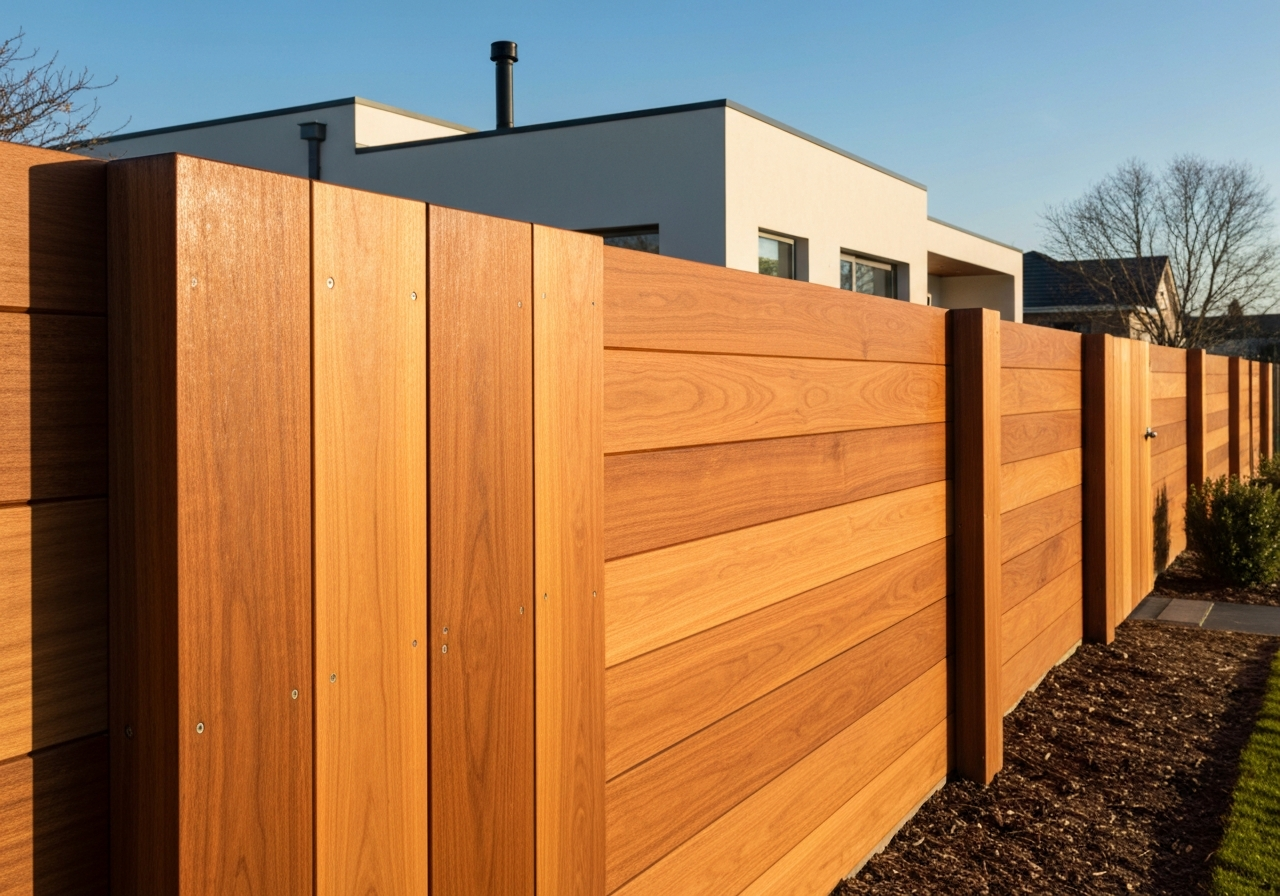
What Matters as a "Full" Fence Installment?
A fence can look "done" from the street and still be incomplete in manner ins which appear a period later on: posts that loosen up, entrances that droop, spaces that chew up landscape design, or a surface that peels off since nobody troubled to match products to conditions. When property owners ask what counts as a full fencing setup, they're really asking for something much deeper than "it's standing."
To me, a full setup means the fence does the task it was sold to do, it's developed to last in your specific site conditions, and it's ended up in a manner that does not establish you up for recurring callbacks. That's the standard I get out of a fencing contractor, and it's the requirement I want even more fence company ads would certainly mention plainly.
This is a practical guide to what "full" should look like when you're managing a fencing company or fencing contractor, whether it's timber, vinyl, chain-link, metal, or a personal privacy system with entrances and hardware.
The actual distinction between set up and complete
Most fencings obtain installed in stages. The crew puts in posts, hangs rails, establishes panels, then includes the last details. The catch is that people occasionally treat the last visible action as the last step, even though the fence still requires testing, modifications, and coating job that only exposes itself after whatever is filled and settled.
A fence isn't like a counter top. It moves with frost heave, wind pressure, dirt moisture modifications, and gate use. A fencing is a system, and completion means you can indicate the system doing what it should.
From my experience, "complete" is not an ambiance. It's verifiable.
If you desire a tidy list for your very own sanity, keep your concentrate on three groups:
- Structural security (messages, set method, tons handling)
- Function and positioning (rails, panels, gate operation)
- Finish and protection (surface area prep work, layers, equipment fit)
If any kind of among those categories is weak, you don't truly have a full fence, even if the crew has currently left.
The post collection is where "total" lives or dies
Every fence layout depends upon the articles. Whether it's a stockade, board-on-board, picket, or decorative system, the posts determine exactly how the fence holds form and withstands tipping.
A fence installation is full only when the article method matches the ground problems and the fence loads you're in fact placing on it. "It's in the ground" is not the exact same thing as "it's crafted for your website."
Soil, water, and frost: the undetectable forces
In clay-heavy soil, water holds differently. In sandy soil, messages can change and settle. In regions with freeze-thaw cycles, water expands and agreements around the blog post set. A total setup accounts for these facts instead of relying upon guesswork.
I've seen fencings where the posts were placed with suitable spacing, and the rails looked directly on day one. Then the dirt did what dirt does, and the fencing established a lean that gradually ended up being a permanent appearance. The inform was subtle, like tiny motion when you leaned on a rail. That's frequently an indicator the article collection really did not obtain the assistance it needed.
Depth, base, and bracing
People inquire about deepness like it's a solitary number, but depth is only one part of the system. What issues is the total collection, the bottom support, and whether the crew utilized supporting while concrete treated or soil compacted.
A full fencing installment consists of the dull details that protect against future headaches:
- Posts established plumb and straightened before the concrete or backfill is permitted to "secure" movement
- Adequate bracing while the set product cures or compacts
- Consistent spacing and placement along the run, not just at the beginning point
If the fencing line snakes off later due to the fact that alignment wasn't held during setup, you could call it "personality." I call it preventable.
Height, spacing, and the "straight line" standard
A fence can be full and still not be excellent. Resolving and minor variant happen. What must not take place is apparent drift, wide uneven gaps, or panels that look like they were held on a leaning structure.
A fencing company that deals with a work as complete will verify line and degree as they go. That includes corners, changes, and any kind of area you transform direction.
Corners and transitions
Corners are where fences disclose whether the installer understands geometry and tons distribution. If a corner is out, the rails deal with each other down the run. If a shift is managed sloppily, you get gaps that are either too big to neglect or as well little to conceal with a trim piece.
A complete installment doesn't conceal troubles with "perhaps the neighbor will certainly like it." It solves the issue with design self-control and the appropriate hardware or trim approach.
Privacy fences require more than close boards
Privacy is not just about just how close boards are. It's about just how the boards are lined up so the finished look remains regular. If boards are installed without focus to spacing variation throughout different sizes, you can wind up with a bumpy appearance where the eye captures it immediately.
The finest fencing contractors I have actually worked alongside reward dimension like a craft. They check spacing continuously, not simply at the very first few boards.
Rails, bolts, and the selections that impact longevity
If you want to know whether a fencing is total, check out the bolts and just how they're utilized. The ideal product for exterior exposure issues. So does fastening technique.
Fasteners should match the material
Outdoor timber requires hardware that won't wear away rapidly. Steel hardware needs to be compatible with the fence products so you don't obtain early corrosion discoloration or loosening.

This is one reason house owners in some cases see posts "holding" but rails sag after a couple of seasons. The fasteners might have been minimal, or they might have been driven in a way that jeopardizes the timber grain.
A complete setup reveals regular bolt placement and proper fastening deepness. It doesn't include random adjustments that depend on blind luck.
Tension, wind load, and bracing
Wind transforms a fencing right into a sail. A complete installation manages tension at the ideal points, including futures, gate openings, and locations that handle consistent pressure.
If you've ever walked up to a fence on a gusty day and felt the whole structure offer, that's a functional failing. The fencing may still be standing, but it's refraining its job.
Gates: completion implies they in fact work
Gates are where "installed" and "complete" diverge the most. An entrance that closes is not always an entrance that shuts properly. A complete setup ensures the gate fits the opening, swings smoothly, and remains lined up under use.
The joint and latch setup
The hardware is just just as good as the installation. The frame requires to be square. Joints need to be set to lug the gate's weight without binding. The latch must involve easily so you do not need to draw harder each season.
A complete fencing installment additionally includes clearance and surface area finish factor to consider. If eviction rubs undecided line or drags out the ground, the installer either missed leveling information or really did not make up anticipated movement.
Soil motion turns up first at gates
Gates take tons and they additionally level concerning your article collections. If messages clear up a little, entrances reveal the issue because they're movable and specific. I have actually watched home owners call a gate "finicky" when the actual concern was post motion that had not been effectively supported or set.
A fencing contractor that treats the work as full will change the gate after the preliminary build, then re-check it after the fence structure stabilizes.
Drainage, lower spaces, and the landscaping reality
A fencing installation is total only if you recognize how it relates to the ground beneath it. That consists of bottom clearance, water drainage pathways, and how the fencing interacts with existing grading.
Bottom gaps aren't just aesthetics
A fencing panel can look neat with a tiny ground space, till you realize it's trapping water or causing erosion at the fencing line. On the other hand, an extremely big void can weaken personal privacy and motivate weed growth under rails.
There's no single excellent number, because dirt dampness and landscaping format vary. What matters is that the installer make up your grade and drain pattern, and it's consistent along the run.
Trimming, caps, and completing touches
For lots of fencing kinds, surface pieces are not "design." They protect joints and sides from water. Caps assist lose moisture. Correct cutting decreases rot and warping.
A full setup coatings edges easily and doesn't leave raw cuts or unfinished surfaces subjected. If you can see freshly cut ends of timber with no protection, you're not considering completion. You're looking at a fencing waiting to fail early.
The finish: security that matches the fencing type
Finish job is frequently postponed in scheduling. That's easy to understand, due to the fact that some materials need time to acclimate or heal. However a full fence installment does not treat finish like an optional afterthought.
Wood secure fencing and coatings
Wood expands and contracts. Coatings ought to be used correctly and at the right time about dampness material and temperature. If a fence company rushes surface job without appropriate prep, the covering may look fine for weeks and afterwards break down.
A complete installment includes:
- Adequate prep of surfaces before coating
- Even application throughout panels and rails
- Attention to finish grain and cut edges
End grain is the part that consumes alcohol water first. If you disregard it, you're getting an issue later.
Vinyl and steel: the coating is "integrated in," yet it still matters
Vinyl does not rot, but it can still warp or deform if mounted inaccurately. Steel fencings can rust if finishings are damaged during install or if the incorrect bolts are used.
Complete installation indicates the material's safety residential properties are maintained. That consists of not gouging panels, not scraping coated surfaces, and making use of proper strategies at cuts and transitions.
Line products that house owners miss, yet inspectors do not
Some "total" failings are the examples that make a fencing look good yet fall short a functional standard. If you're dealing with a professional fencing contractor, these ought to be addressed before you sign off.
Here are the completion concerns I've seen consistently, in various states and various material types.
Permit and compliance readiness
Many territories call for authorizations for certain fencing elevations, places, or gateway styles. Also when an authorization isn't required, obstacle regulations and lot line restrictions matter.
A total fence setup appreciates those restraints and is recorded properly if your location expects it. If someone tells you it's "constantly great," that's not a conclusion requirement. That's a risk.
Property boundaries and neighbor boundaries
If the fence marks or goes across a residential property line, border issues can come to be pricey. A full mount must manage format choices sensibly, including how offsets are measured and how edges are referenced.
I'm not discussing drama. I'm talking about the simple fact that fencings are resilient items. A tiny boundary error at the start can come to be a decade-long headache.
Postholes, waste removal, and jobsite cleanup
Completion is additionally regarding the website after the staff leaves. Postholes must be effectively backfilled and secure. Scrap needs to be eliminated. Concrete drips and debris need to be cleaned.
If a fence installment leaves a mess that you can't fairly handle, it's not "full." It's incomplete labor plus cleanup you didn't hire.
Wind, droop, and the "time examination" that exposes true workmanship
A fencing isn't totally evaluated on day one. The full actions becomes apparent after wind tons struck repeatedly, after rainfall fills the soil, and after temperature swings.
That's why a full installation includes a modification frame of mind. Wonderful installers integrate in time to inspect and remedy. They don't just deliver a photo-ready day.
How to detect early caution signs
You do not require engineering training to identify issues. There are practical signs that something is off, like:
- A gateway that begins to drag after a hefty rain
- Panels that begin to bow subtly after the initial gusty week
- Rails that show inconsistent straightness when watched from an angle
- Posts that totter slightly when you push them near mid-height
If you see these early, address them swiftly. Waiting is just how little problems end up being irreversible replacements.
What "full" looks like for various fencing types
Because you asked what counts as total, not what counts as mounted, it aids to speak about just how conclusion standards change by fencing type.
Wood personal privacy and picket fences
For wood fences, conclusion hinges on surface top quality, fastener choice, and blog post set stability. The job is full when:
- Panels are lined up and spaced consistently
- End grain and cut sides are protected
- Gates are readjusted for smooth operation
- The fence line does not reveal dynamic lean or irregular droop under typical viewing
Wood fences additionally require treatment with wetting and finishing timetables. A specialist fencing contractor deals with those steps as component of the task, not a separate job you discover later.
Vinyl fences
Vinyl fences are usually marketed as reduced maintenance, and they can be. Yet conclusion still matters due to the fact that plastic depends upon appropriate installation.
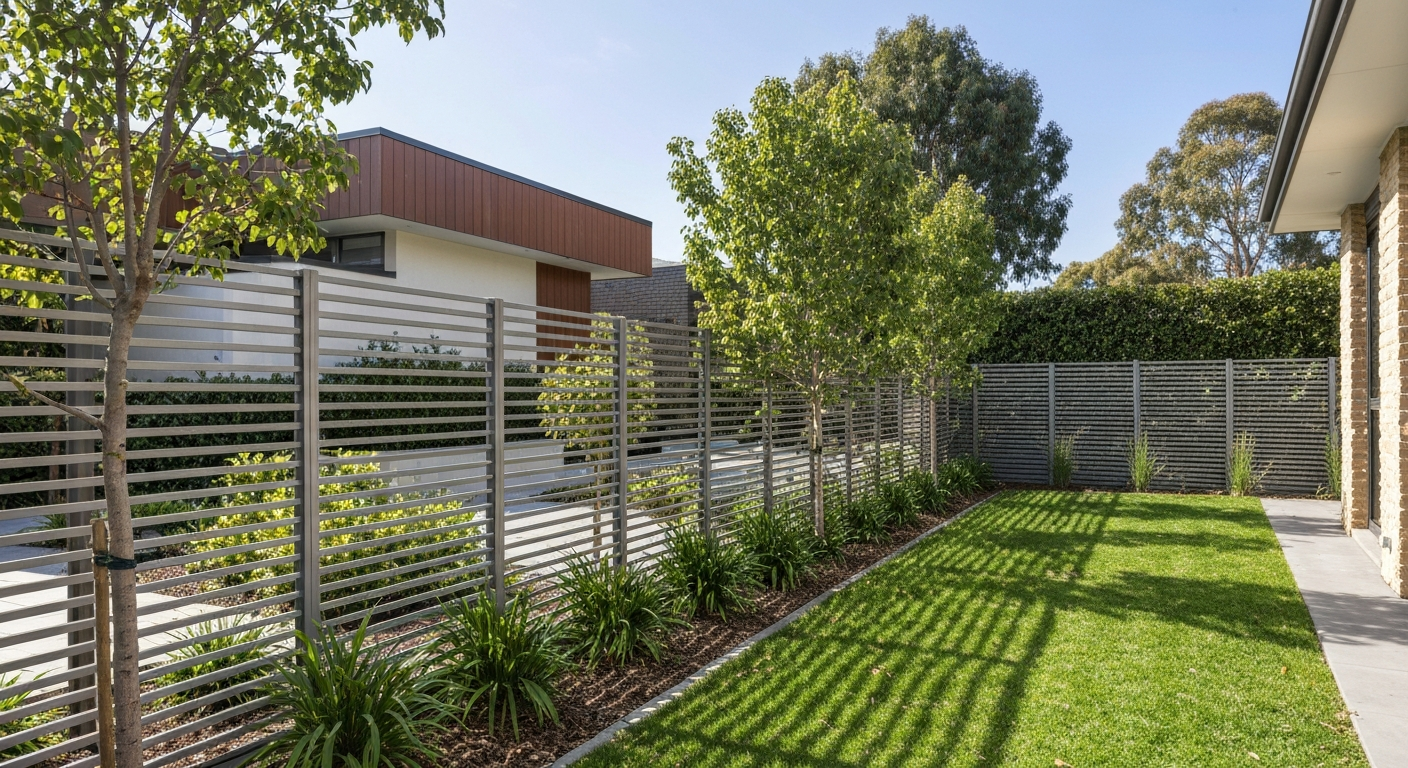
A complete plastic fencing setup ensures:
- Posts are established appropriately so the fencing does not rack
- Components are straightened and sustained to stop warping
- Cut sides are ended up suitably if the design calls for it
- Gates are tuned so they do not bind with temperature level expansion
Chain-link and security-focused fences
With chain-link, conclusion is about tension, entrance geometry, and proper discontinuation. A full chain-link installment usually implies the material is limited without overstressing the system, blog posts are correctly straightened, and hardware is set up so the fencing operates as planned for safety and security and durability.
If you see sagging fabric or entrances that do not close cleanly, it's seldom "cosmetic." It's an efficiency issue.
Ornamental metal fences
Metal fences are ruthless regarding alignment. Conclusion implies:
- Posts are straight and strongly set
- Rails and pickets are level and constantly spaced
- Hardware is fitted securely
- Coated surfaces are preserved and touch-ups are handled correctly
A complete ornamental job values both the look and the function, particularly where gates and corners present stress.
The sensible confirmation: exactly how to examine completion on your property
If you desire a confident solution, walk the fence with intent. Look at it the method you'll live with it. Then take a look at it the method wind and water will certainly check it.
Here's my preferred method to evaluate conclusion without turning your living room into a courtroom.
A homeowner "sign-off" inspect you can do in 20 minutes
- Walk the boundary and search for constant line and spacing from 10 to 20 feet away.
- Open and shut every gateway. Watch for massaging, binding, or irregular latch engagement.
- Inspect cut edges and bolt areas for proper ending up and constant hardware placement.
- Push lightly on a few panels and rails near the ends to see if anything feels loose.
- Check cleanup, especially at postholes, rail bases, and corners where debris hides.
If a fencing contractor has done a full work, the responses should be uninteresting in the best means. They must not really feel like you're "wishing it lasts."
What to ask a fencing company before they leave
Good fencing contractors don't mind inquiries. They ought to welcome them, since clear assumptions prevent misunderstandings.
This is where agreements and communication issue. If you desire conclusion, ask about just how adjustments are taken care of, what material options were made, and what you ought to anticipate after the first period.
Questions that separate actual installers from "we'll see"
- What article collection technique did you utilize at my location, and why?
- What surface procedure was made use of, and when is it risk-free to repaint or tarnish over it, if applicable?
- How will the gate be changed, and do you prepare a re-check after installment settles?
- What warranty relates to handiwork versus materials?
- Who deals with repair services if something changes after preliminary treating or soil settling?
If the fencing contractor can not address clearly, you're not always dealing with a poor attire, however you're missing conclusion quality. Missing out on clearness often becomes your problem.
Trade-offs that influence what "complete" means
One factor individuals differ on efficiency is that every website and every design comes with trade-offs. A specialist fencing company need to be honest regarding those trade-offs up front.
Here are a couple of instances that turn up constantly.
- Speed versus toughness: Some teams can make a fencing look good rapidly, but they might reduce edges on treating time, supporting, or coating prep.
- Budget versus coating quality: Cheaper products can last a while, yet conclusion needs correct installation. If they stint hardware high quality, you'll pay later.
- Low upkeep versus aesthetic appeals: The fence that's most convenient to keep may not provide you the precise appearance you desire, particularly at edges and gateway transitions.
- Privacy versus air flow: Close boards obstruct sightlines and wind. That can boost the sail impact on windier properties, calling for stronger supporting and hardware choices.
- Straight line assumption versus natural quality: If your yard has incline, "completely straight" might be unrealistic without changing how the fence complies with the ground. Full installment indicates taking care of that expectation properly.
If a service provider recognizes these compromises and still delivers a practical, ended up fencing, that is completion finished with judgment.
The difference between a total fencing and a fence that's "practically there"
Sometimes a task is absolutely close, and the only missing item is something minor, like a final trim information, a touch-up coat, or a gate placement change. That's not necessarily a failing. It just indicates the job isn't authorized off yet.
What I do not think about total is a fencing that requires you to deal with positioning problems, reapply unfinished surfaces, or approve persistent entrance troubles. That's not "nearly." That's delayed work that will certainly cost you time, cash, or both.
A complete fence installment has not a surprises after the staff leaves, other than weather-driven modifications that professionals plan for, like seasonal wood movement or slight settling that falls within anticipated resistances and is remedied quickly.
A final note on what you're actually paying for
When you employ a fencing contractor, you're spending for decisions as long as labor: how articles are established, just how gateways are straightened, which hardware is made use of, exactly how finish safeguards the fence in your moisture and temperature conditions.
A full installment shows those choices through results. The fence stands straight and stays functional. It looks finished because it is ended up. It stands up to the pressures that will hit it next winter season or next storm season.
If a fencing company can't define what makes their installment "complete," or if they treat punch checklist things as optional, you're being marketed the surface, not the system. Which's how fencings end up being costly regrets.
If you desire, inform me your fence kind, approximate height, your area's environment (freeze-thaw, hefty rainfall, seaside salt air), and whether you have gateways. I can help you map what conclusion ought to consist of for your certain setup, including what to expect throughout the sign-off walk.